From LCD to Liquid Retina: The Historical Positioning and Technological Retrospective of the iPhone 11 Display
In September 2019, Apple unveiled the iPhone 11 series at the Steve Jobs Theater. Unlike the simultaneously launched iPhone 11 Pro and 11 Pro Max, the iPhone 11—positioned as the successor to the iPhone XR—did not adopt the then-proliferating OLED panels. Instead, it featured a Liquid Retina HD LCD display. This decision sparked widespread discussion at the time: against the backdrop of high-end smartphones almost universally transitioning to OLED, why did Apple continue to stick with LCD for a mainstream model? What technical evolution and product strategy lay behind this screen?
I. The Golden Age of LCD in iPhone History
To understand the iPhone 11's display, one must revisit the history of iPhone display technology. The first-generation iPhone in 2007 featured a 3.5-inch LCD screen with a resolution of 480×320 and a pixel density of just 163 ppi. Subsequently, with the iPhone 3G, 3GS, 4, and 4s, Apple continuously refined its LCD technology. A pivotal moment came with the iPhone 4, which introduced the Retina concept—a 326 ppi IPS panel—making the "Retina display" synonymous with high-resolution screens.
For years thereafter, LCD remained the absolute core of iPhone display technology. From the 4-inch screen of the iPhone 5, the 4.7-inch screen of the iPhone 6, to the iPhone 8 series, LCD screens consistently improved in color accuracy, brightness, and viewing angles. In 2017, Apple debuted OLED on the iPhone X, marking a technological divergence for its high-end product line. However, Apple did not abandon LCD; instead, it reserved the technology for more affordably positioned models. The 2018 iPhone XR was the first to feature a "Liquid Retina" LCD screen. This 6.1-inch panel achieved a full-screen design through meticulous backlight engineering and pixel arrangement, while also supporting the P3 wide color gamut and True Tone.
II. iPhone 11's Liquid Retina: A Choice of Maturity
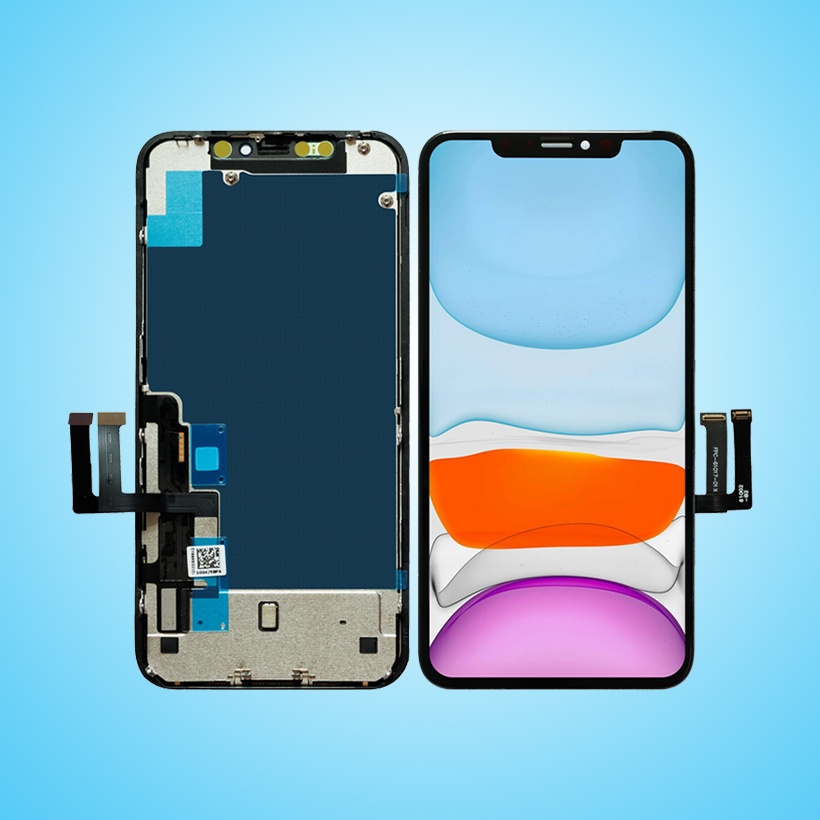
The iPhone 11 carried forward the Liquid Retina design from the XR, utilizing the same 6.1-inch IPS LCD panel with a resolution of 1792×828 and maintaining a pixel density of 326 ppi. While these specifications might appear less impressive than those of contemporary OLED models (the iPhone 11 Pro featured 2436×1125 resolution at 458 ppi), the screen delivered an excellent visual experience in practice, thanks to Apple's superior color management and system-level optimization.
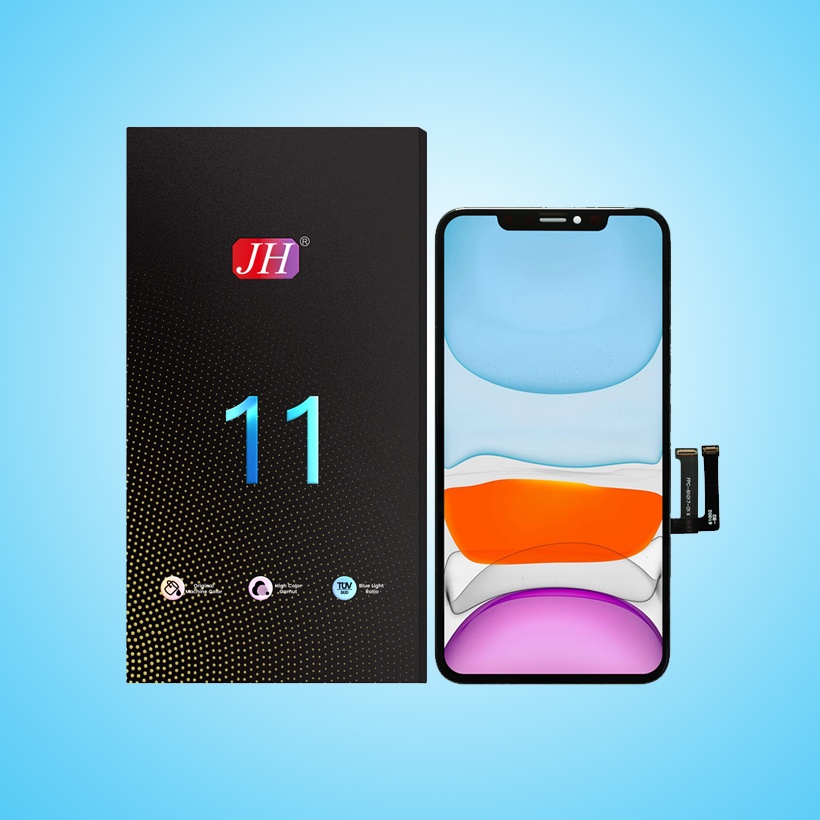
From a historical perspective, the iPhone 11's LCD represented the culmination of Apple's years of LCD expertise. It offered:
True Tone: Adjusting screen color temperature automatically via a six-channel ambient light sensor for a more paper-like viewing experience.
Wide Color (P3): Covering the cinema-grade color standard for accurate color reproduction.
Haptic Touch: Replacing 3D Touch, enabling quick actions through long presses combined with haptic feedback.
625 nits max brightness: Placing it among the top tier for LCDs, ensuring good outdoor visibility.
Compared to the iPhone XR, the iPhone 11's screen saw no changes in hardware specifications. However, Apple optimized touch response and power management through the display engine integrated into the A13 Bionic chip. This approach reflected Apple's product strategy during a period of maturity: when a technology reaches a high level of refinement, hardware remains stable while user experience is enhanced through software and chip synergy.
III. Why Did the iPhone 11 Stick with LCD?
By 2019, nearly all Android flagships had adopted OLED screens, which offered clear advantages: higher contrast ratios, thinner module thickness, and support for always-on displays. So why did Apple choose LCD for the iPhone 11?
There were three main reasons:
Cost and Pricing: With a starting price of $699, the iPhone 11 was significantly more affordable than the $999 starting price of the iPhone 11 Pro. The substantially lower cost of LCD compared to OLED allowed Apple to allocate more of the budget to the A13 chip, the dual-camera system, and battery life improvements, while maintaining good display quality.
Product Line Differentiation: By using different screen technologies, Apple clearly distinguished between its "mainstream" and "pro" models. This strategy enabled consumers to choose based on budget and needs, while also preventing internal competition between models.
Maturity and Reliability of LCD Technology: Targeting a broad market, the iPhone 11 needed to appeal to a wide user base. LCD screens are not susceptible to the burn-in issues associated with OLED, offering greater long-term stability. For users expecting their phone to last three to five years, this became an implicit advantage.
Additionally, Apple invested significant engineering effort into the Liquid Retina screen. Through precise backlight design and pixel shape optimization, they achieved a narrow-bezel design for the LCD in a full-screen form factor. Although the bezels remained slightly thicker than those on OLED models, the overall visual experience was still impressive.
IV. Historical Significance and Impact
The iPhone 11 became one of the highest-selling models in Apple's history, largely due to its balanced offering of display, performance, battery life, and camera capabilities. While the Liquid Retina display lacked the stunning specifications of OLED, it earned user trust through its stability, accuracy, and durability.
Historically, the iPhone 11's LCD screen also marked a "glorious finale" for the LCD era in Apple's smartphones. Starting with the iPhone 12 series, the entire lineup transitioned to OLED panels, and LCD was phased out from Apple's mainstream iPhone line. Consequently, the iPhone 11 became the last non-SE series flagship iPhone to feature an LCD screen, symbolizing the end of an era.
Today, when we look back at the iPhone 11's display, it's clear it wasn't a radical innovation but rather an expression of extremely mature engineering. It carried over a decade of Apple's LCD expertise—from the iPhone 4's Retina display to the iPhone XR's Liquid Retina—and witnessed the historical transition of smartphone screens from LCD to OLED. For many users, that 6.1-inch Liquid Retina screen still represents the highest standard of stability, reliability, and practicality.