iPhone Screen Manufacturers & Suppliers: Who Makes the Displays for Apple?
The iPhone’s display is one of its most critical components. It’s the primary interface between the user and the device, and its quality directly impacts the overall experience. But have you ever wondered who actually manufactures and supplies the screens for hundreds of millions of iPhones each year? Apple relies on a select group of elite display manufacturers. Understanding these key players not only sheds light on Apple’s supply chain but also helps consumers and businesses appreciate the technology behind every swipe and tap.
The Top iPhone Screen Manufacturers
Apple’s stringent quality standards mean only a few companies can produce iPhone screens. As of 2026, the main suppliers are Samsung Display, LG Display, and BOE (Beijing Oriental Electronics). Each plays a distinct role in providing LCDs (for older or budget models) and OLEDs (for the vast majority of modern iPhones).
1. Samsung Display – The Dominant Leader
Samsung Display is the world’s largest manufacturer of OLED panels and has been Apple’s primary iPhone screen supplier since the iPhone X introduced OLED technology in 2017. Headquartered in South Korea, Samsung provides a significant majority of OLED screens for the iPhone Pro and Pro Max series. Their expertise in LTPO (Low-Temperature Polycrystalline Oxide) backplane technology enables features like ProMotion (120Hz refresh rate) and always-on display. Samsung’s panels are known for exceptional brightness, color accuracy, and energy efficiency, making them the benchmark for premium smartphone displays.
2. LG Display – The Reliable Partner
Another South Korean giant, LG Display, has been a long-standing Apple partner, initially supplying LCD panels for iPads and older iPhones. In recent years, LG has ramped up its OLED production and now supplies a significant portion of standard iPhone and Plus-model screens. While LG’s OLEDs historically lagged slightly behind Samsung’s, they have closed the gap considerably. LG is also a key supplier for Apple’s foldable display research (if future iPhones adopt foldable technology). For buyers, iPhones with LG screens perform indistinguishably from those with Samsung panels – Apple’s calibration ensures consistency.
3. BOE – The Rising Chinese Challenger
BOE (Beijing Oriental Electronics) is China’s largest display manufacturer and has aggressively entered Apple’s supply chain. After years of investment and quality improvements, BOE started supplying OLED screens for the standard iPhone 12 and later models. While BOE initially faced yield and consistency issues (some batches reportedly failed Apple’s quality tests), the company has steadily improved. BOE now supplies a modest but growing share of OLED screens for non-Pro iPhone models. The inclusion of BOE helps Apple diversify risk, reduce reliance on Korean suppliers, and potentially lower costs. However, BOE is yet to break into the higher-margin Pro lineup.
4. Other Historical Suppliers
Before the OLED era, Sharp and Japan Display Inc. (JDI) were major suppliers of LCD screens for iPhones (e.g., iPhone 6, 7, 8 series). Today, both have been largely phased out as Apple transitions to OLED. However, they continue to supply displays for older iPhone repairs and some Apple Watch models, as well as entry-level iPads.
How the Supply Chain Works
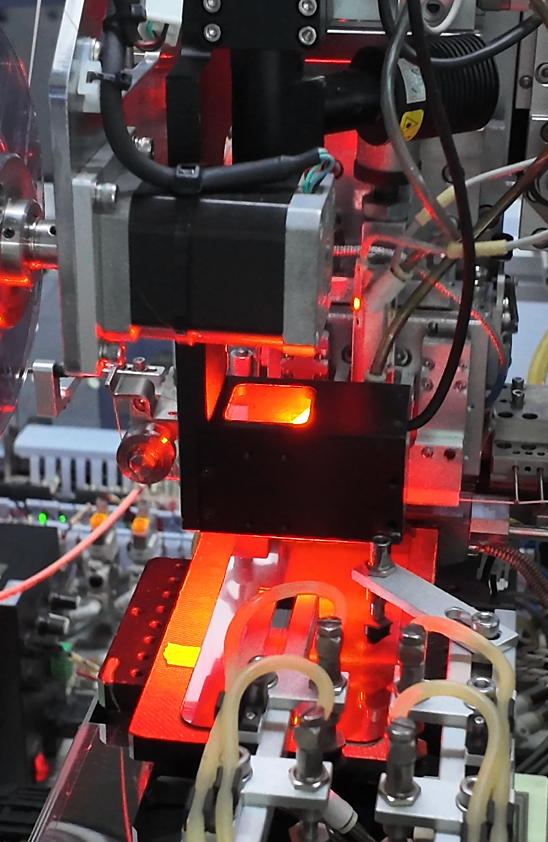
Apple does not simply buy off-the-shelf screens. It collaborates closely with manufacturers years in advance, co-developing specifications, tolerances, and production techniques. Apple typically invests in dedicated production lines at its suppliers’ factories, ensuring exclusivity for certain technologies. For example, Samsung manufactures custom OLEDs with Apple’s specific driver ICs, touch integration, and True Tone calibration.
Once produced, the screens are shipped to Foxconn, Pegatron, or other iPhone assemblers in China and India for final assembly. This tightly controlled process ensures that every iPhone screen meets Apple’s standards – but it also explains why genuine screen replacements are expensive and why third-party repairers often face software locks or warnings when using non-genuine parts.
Why Multiple Suppliers Matter
Using multiple suppliers for iPhone screens is a deliberate strategy. First, it guarantees supply – if one factory faces a shutdown (e.g., pandemic, fire, or equipment failure), Apple can shift orders to another. Second, it creates pricing leverage, keeping component costs competitive. Third, it encourages technological innovation as suppliers compete for a larger share of Apple’s orders. For instance, Samsung pushes for brighter, more durable OLEDs; LG focuses on power efficiency; BOE aims to improve yield and quality.
Challenges and Quality Control
Despite rigorous oversight, iPhone screen suppliers occasionally face setbacks. Early batches of BOE screens reportedly had light leakage or touch responsiveness issues, leading Apple to cut orders temporarily. Similarly, LG struggled with initial OLED uniformity on the iPhone 12 series. Apple’s response is to enforce strict audits, provide technical assistance, and sometimes reallocate orders. End users rarely experience these problems because defective units are caught before assembly.
Genuine vs. Aftermarket Screens
For consumers, knowing who makes original iPhone screens is crucial when seeking repairs. A genuine screen – whether from Samsung, LG, or BOE – will support True Tone, Haptic Touch, and the full color gamut. Third-party or counterfeit screens often lack these features and may degrade battery life or responsiveness. Apple’s iOS has also introduced “Unknown Part” alerts for non-genuine displays. Therefore, always choose authorized repair services or Apple themselves.
Conclusion
The iPhone’s beautiful, responsive display is the result of a multi-billion-dollar collaboration among Samsung Display, LG Display, and BOE. Samsung remains the undisputed leader for top-tier Pro models, LG provides reliable volume for standard iPhones, and BOE continues to gain ground as a cost-effective third source. As Apple moves toward microLED or foldable screens in the coming years, these manufacturers will evolve once again. For now, understanding this supply chain helps consumers make informed choices – whether buying a new iPhone or replacing a broken screen.