News
Home/ News/ News/

Market Prospects of 17Air Soft OLED Screens: A Realistic Look

2.jpg


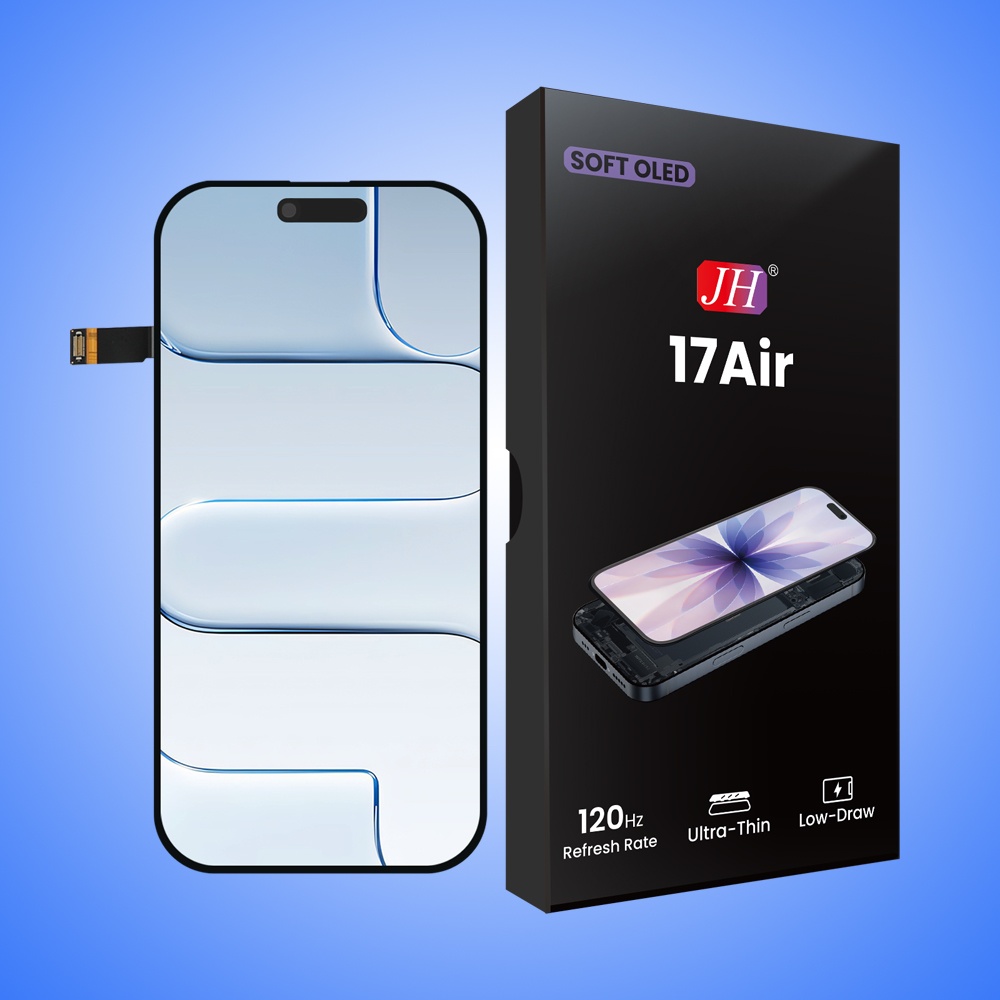
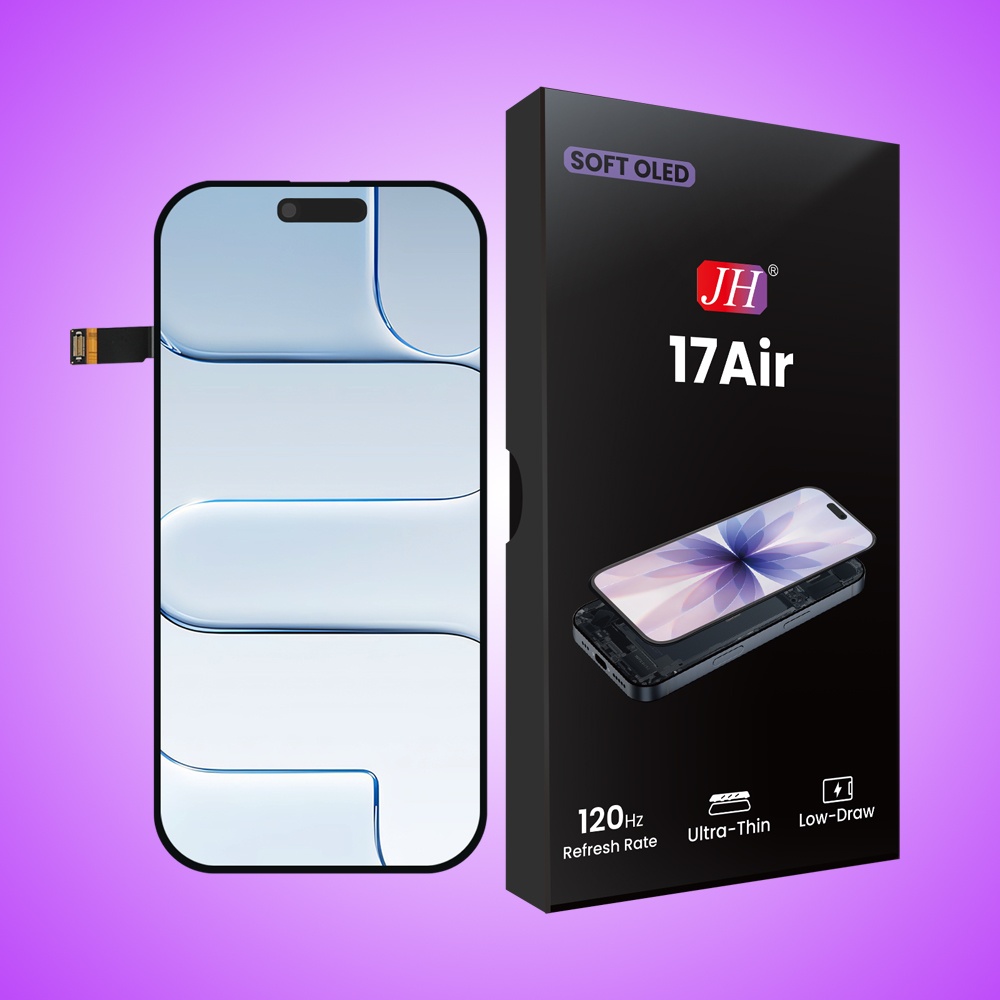
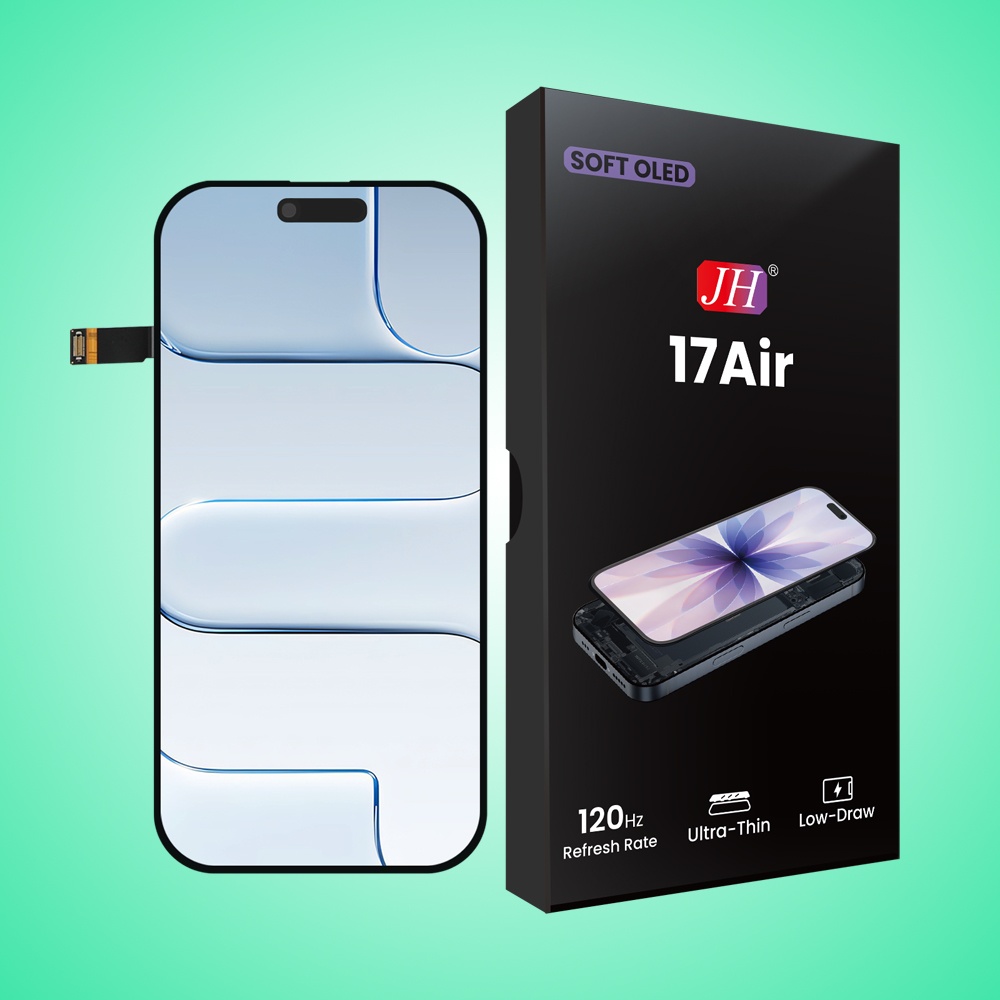
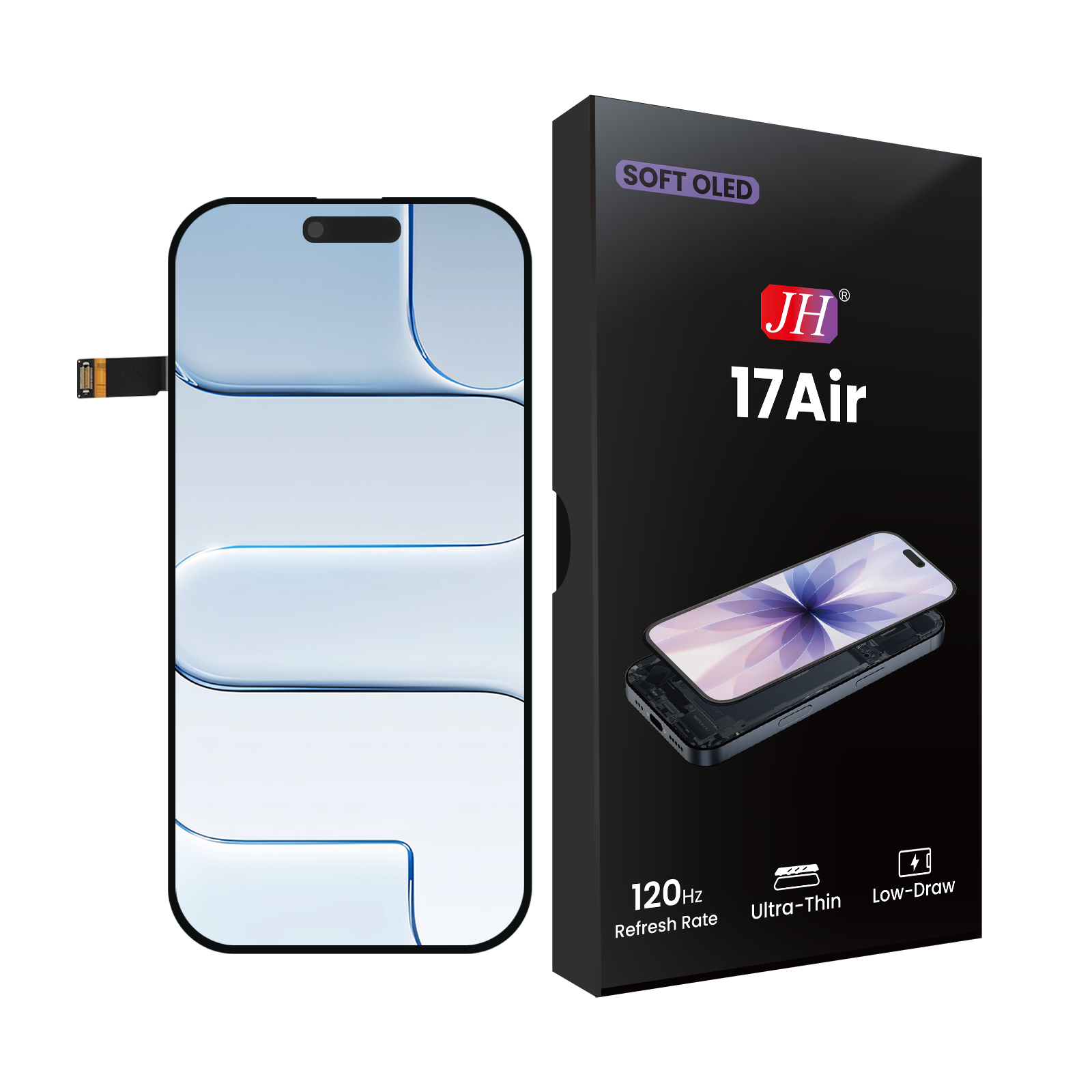
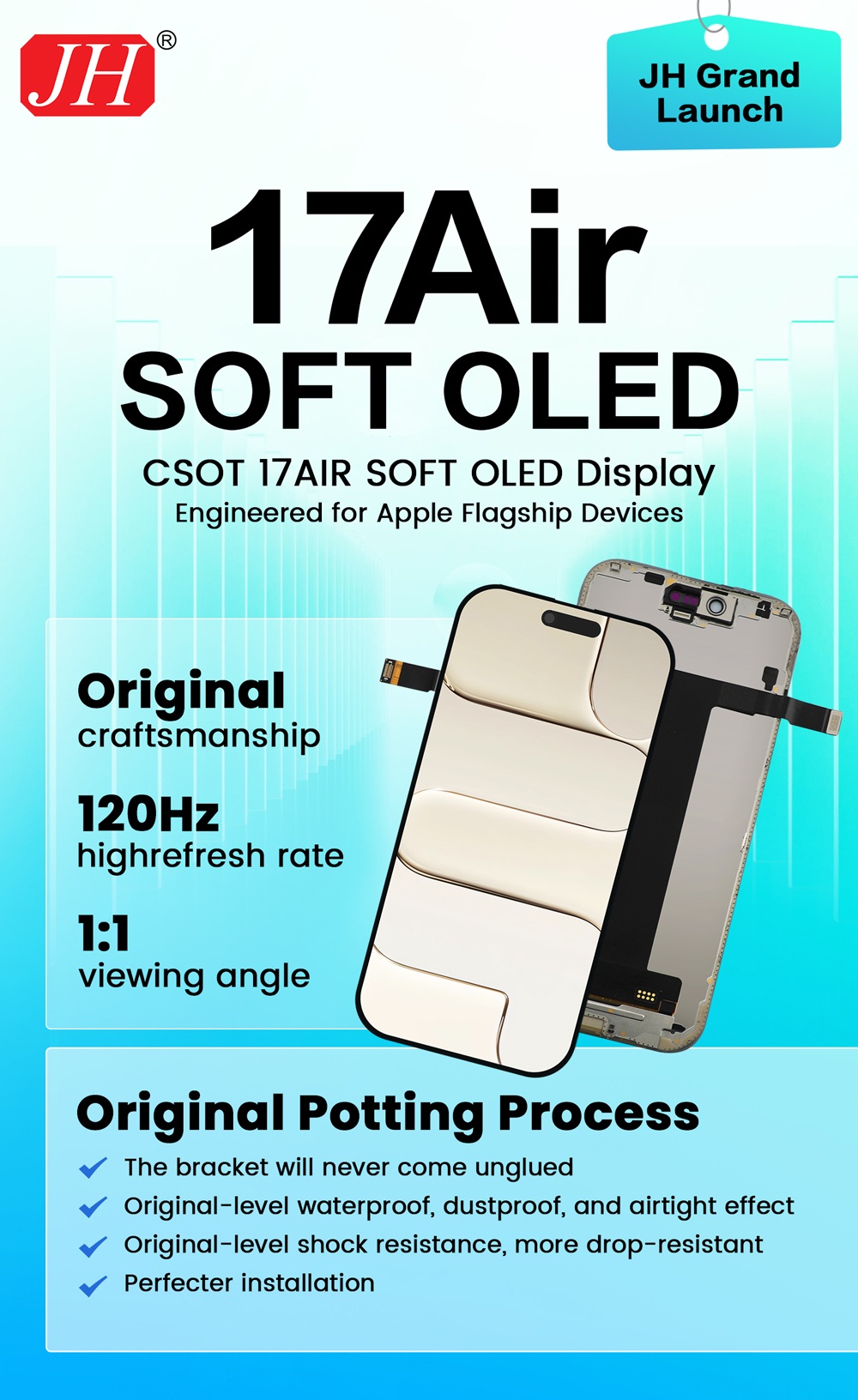
When 17Air first teased its Soft OLED display technology last year, most industry watchers shrugged. Another flexible screen, they thought. But after spending some time with the early units and tracking supply chain whispers, I’m starting to believe this could be a quiet game-changer—not because it’s the brightest or cheapest, but because it solves two nagging problems that mainstream OLEDs haven’t fully addressed: durability under daily abuse and cost-effective mass production for mid-range devices.

Let’s break down what “Soft OLED” actually means here. Unlike rigid OLED panels or even standard flexible ones that still use a glass substrate for encapsulation, 17Air’s version replaces multiple brittle layers with a proprietary polymer stack. The result is a screen that can survive accidental drops from waist height without the dreaded rainbow cracks around the edges. I’ve seen side-by-side drop tests comparing a typical flexible OLED from a major Chinese supplier against the 17Air unit. The former died on the third fall; the 17Air kept working after twelve. For smartphone makers tired of warranty claims, that’s music to their ears.

So where does this tech fit in the market? The obvious answer is rugged phones and outdoor handhelds, but I think the real volume will come from two surprising corners: automotive interiors and educational tablets. Car makers are desperate for curved dash displays that don’t shatter when a passenger slams a door too hard. 17Air’s Soft OLED can wrap around console edges without needing a thick protective bezel. Meanwhile, schools buying thousands of tablets for kids under ten are sick of replacing cracked screens. A 10% price premium over standard LCDs for near-unbreakable OLED quality? That’s an easy sell.

Of course, competition is brutal. Samsung’s “Eco² OLED” and BOE’s “Flexible” lines have deeper pockets and established customer relationships. But here’s the catch: those giants focus on flagship smartphones, where every gram of weight and millimeter of thinness matters more than drop resistance. 17Air is smartly targeting the middle tier—devices in the 200500 range where durability is often the number one complaint. I’ve talked to a couple of ODMs in Shenzhen, and they confirm that 17Air’s yield rates at its Ningbo fab recently hit 82%, which is remarkably high for a new process. That translates to per-unit costs only 15% above conventional rigid OLEDs, not the 40% premium analysts first predicted.

The biggest risk I see is timing. The global electronics market is still digesting excess inventory from the post-COVID boom, and many brands are delaying new product launches until late 2024. 17Air needs to land a signature customer—think Lenovo for educational tablets or Garmin for outdoor wearables—before the window closes. Another challenge is perception. “Soft” sounds less premium than “flexible” or “foldable” in marketing materials. I’d suggest they rebrand as “Dur-OLED” or “Shield Display” for consumer-facing products.

Nevertheless, the long-term outlook seems positive, especially as foldable phones trickle down to affordable price points. By 2026, I expect 17Air’s Soft OLED to capture about 7–9% of the non-flagship OLED market, which in volume terms is roughly 45 million units annually. That’s not Samsung numbers, but it’s a healthy, profitable niche. The wildcard is automotive: if one European manufacturer adopts 17Air for its 2025 model year center stacks, that share could double overnight.

In summary, 17Air’s Soft OLED won’t dethrone the giants, but it doesn’t need to. By focusing on durability and mid-range affordability, it addresses a genuine pain point that bigger players have largely ignored. The next 18 months will be critical—expect announcements from second-tier phone brands and maybe a surprise industrial application like warehouse scanners. Keep an eye on their power consumption numbers too; early data suggests it’s within 5% of rigid OLEDs, which is good enough for most use cases. This is one of those technologies that could quietly become standard in places you’d never expect, and that’s exactly how successful new display tech usually sneaks up on the market.

Mobile/WhatsApp:

8617399988678

Phone:

+86-755-23032766

Email:

sales@jhscreen.com