The Evolution of the iPhone Screen: From LCD Glory to the OLED Era’s Supply Chain Transformation
When Steve Jobs unveiled the first iPhone in 2007, few imagined that the 3.5‑inch screen would kick off a display technology revolution that continues to this day. Behind the iPhone screen lies a vast and intricate global supply chain—a story that itself reads like a modern history of technological progress.
The Dawn of the Screen Supply Chain
Apple’s relationship with its screen suppliers began with a near‑legendary story. Before the launch of the original iPhone, Jobs insisted that the screen be made of glass rather than plastic. He reached out to Wendell Weeks, CEO of Corning. Corning had developed a material called “Gorilla Glass” back in the 1960s, but it had been out of production for years due to lack of market demand. When Jobs asked Weeks to mass‑produce it in six months, Weeks initially thought it impossible. Yet Jobs applied his famous “reality distortion field,” and Corning delivered. From then on, Corning’s Gorilla Glass became one of the most consistent suppliers for every generation of iPhone.
Around
the same time, another unassuming company quietly rose to prominence.
Founded in 1986, Biel Crystal started as a “three‑plus‑one” processing
enterprise producing watch crystals. In a serendipitous moment, founder
Yang Jianwen noticed that the plastic film on mobile phone screens was
prone to scratches, so he tried replacing it with glass. That idea
completely changed the company’s destiny. In 2004, Motorola began using
Biel’s glass screens, placing an order for one million units in the
first month. By 2007, Biel Crystal had naturally become the glass screen
supplier for the original iPhone, and it has since held more than 60%
of the market for iPhone glass covers.
The LCD Era and the Japanese Display Industry
In the realm of display panels, Japanese companies were once the undisputed kings. In 2012, Japan Display Inc. (JDI) was formed through the merger of the display divisions of Sony, Hitachi, and Toshiba. Riding the wave of the iPhone 5, JDI quickly rose to prominence, at its peak supplying over 60% of iPhone displays and becoming the world’s leading supplier of LCD screens for mobile phones and computers.
JDI’s rise was no accident. At the time, iPhones used LCD (liquid crystal display) technology, and Japanese firms had accumulated decades of technical expertise in this area. As early as 1984, Apple had attempted to launch a monochrome LCD product called the Apple IIc Flat Panel Display—although only 10,000 units were sold, it hinted at Apple’s persistent pursuit of cutting‑edge display technology. In 2010, Apple introduced in‑cell touch technology on the iPad, integrating the touch layer with the display layer—a technology that would later become a key feature of iPhone screens.
iPhone 11: The Peak of the LCD Era
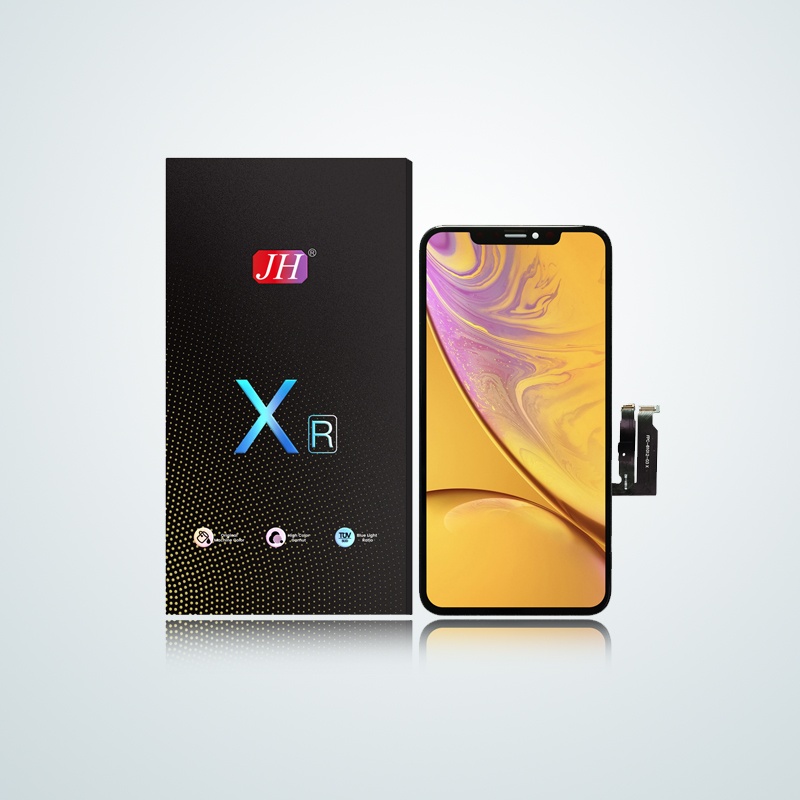
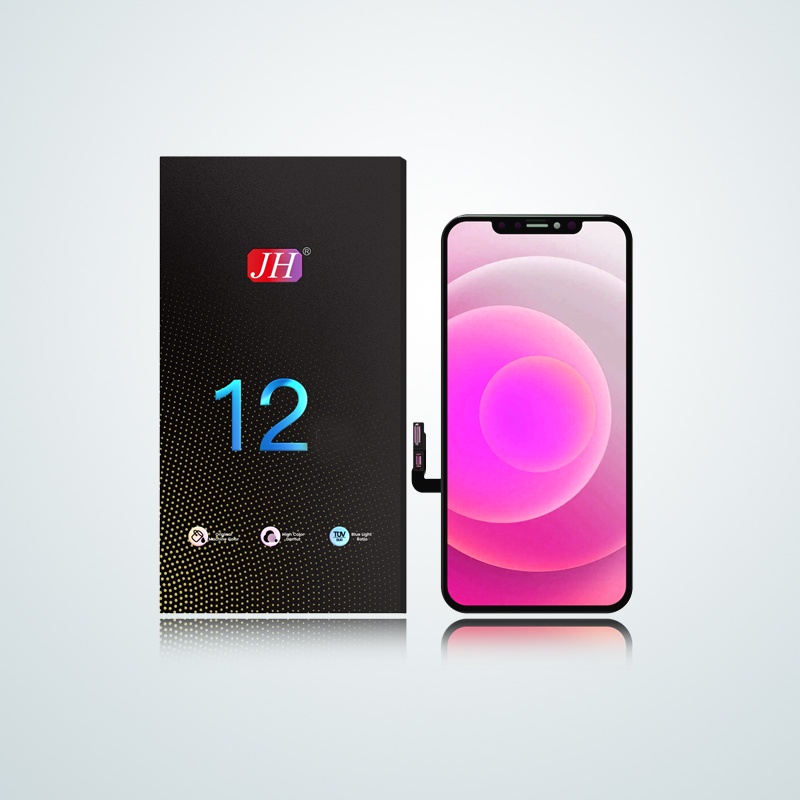
In September 2019, Apple released the iPhone 11, which featured a 6.1‑inch Liquid Retina HD Display—an LCD panel using IPS technology with a resolution of 1792×828 and a pixel density of 326 ppi. The screen supported the P3 wide color gamut and True Tone technology, with a maximum brightness of 625 nits and a contrast ratio of 1400:1.
The iPhone 11’s screen represented the pinnacle of LCD technology. Its in‑cell touch design integrated the touch sensor into the liquid crystal layer, making the screen thinner and lighter. At that time, JDI and Sharp remained Apple’s primary LCD suppliers, but the market landscape was already beginning to shift.
The Arrival of OLED and the Farewell to LCD
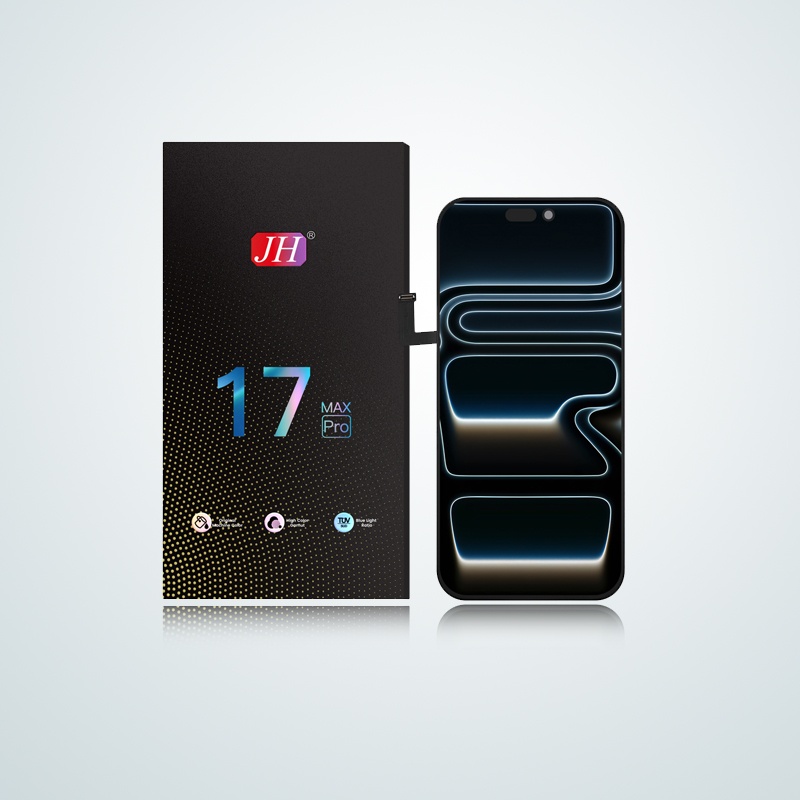
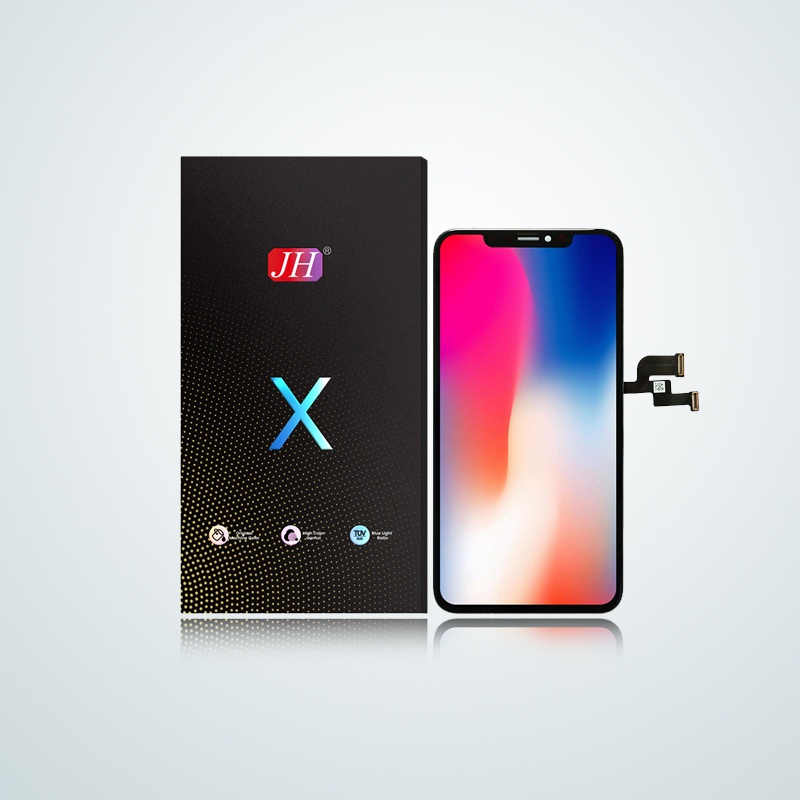
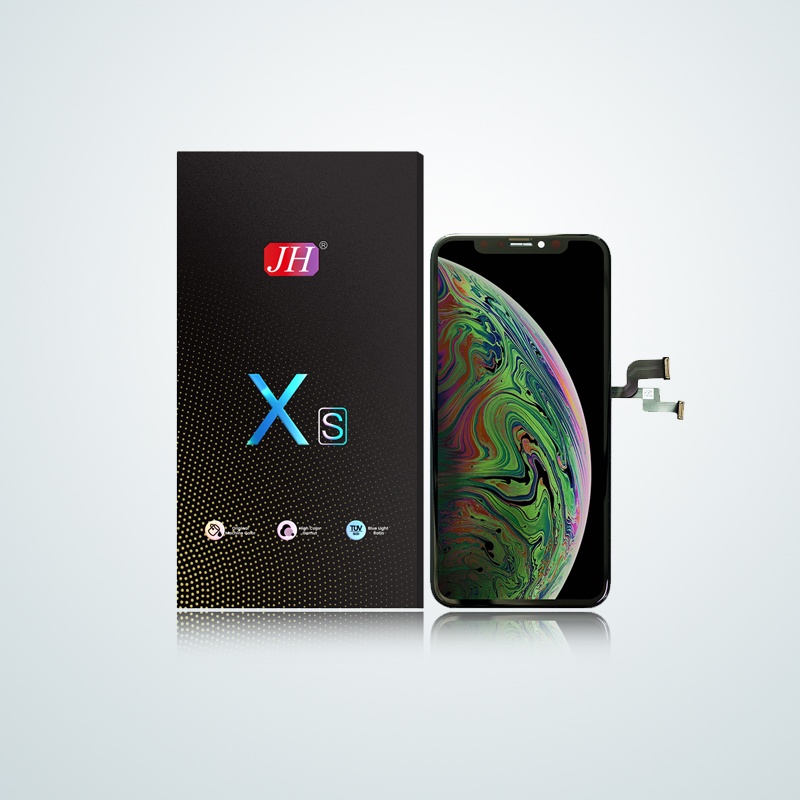
In 2017, the iPhone X marked Apple’s official entry into the OLED era. OLED screens, with their self‑emissive properties, offered higher contrast, more vibrant colors, and thinner device designs. Apple gradually shifted orders from JDI to Samsung, LG, and later added BOE.
This transition dealt a devastating blow to Japanese suppliers. In 2015, JDI and Sharp together supplied about 200 million LCD panels for iPhones per year; by 2023, that number had plummeted to around 20 million. JDI reported net losses for ten consecutive fiscal years, and in early 2025 it announced the sale of its only LCD panel factory, effectively exiting the LCD business altogether. Sharp also closed its plant in Sakai, Osaka, in August 2024.
In 2024, Apple began sourcing OLED displays from BOE and LG for the next‑generation iPhone SE. With the discontinuation of the iPhone SE lineup, LCD screens have completely disappeared from the iPhone product line. The once‑popular slogan “LCD never dies” is about to become a thing of the past.
Reshaping the Supply Chain
Today, the iPhone screen supply chain has completed its full transition from LCD to OLED. Samsung holds approximately 50% of the market share, LG around 30%, and BOE about 20%. Meanwhile, Apple is actively developing even more advanced technologies—mini‑LED backlighting has already been adopted for the iPad Pro and MacBook Pro, and research into foldable OLED displays continues.
Looking back at this history, the decline of JDI is a poignant reminder—a company that once supplied 60% of iPhone screens ultimately faced being sold off, largely because it failed to keep pace with the transition to OLED. It serves as a lesson that in the technology industry, no matter how glorious the past, if you cannot keep up with the pace of technological change, the times will leave you behind without so much as a goodbye.