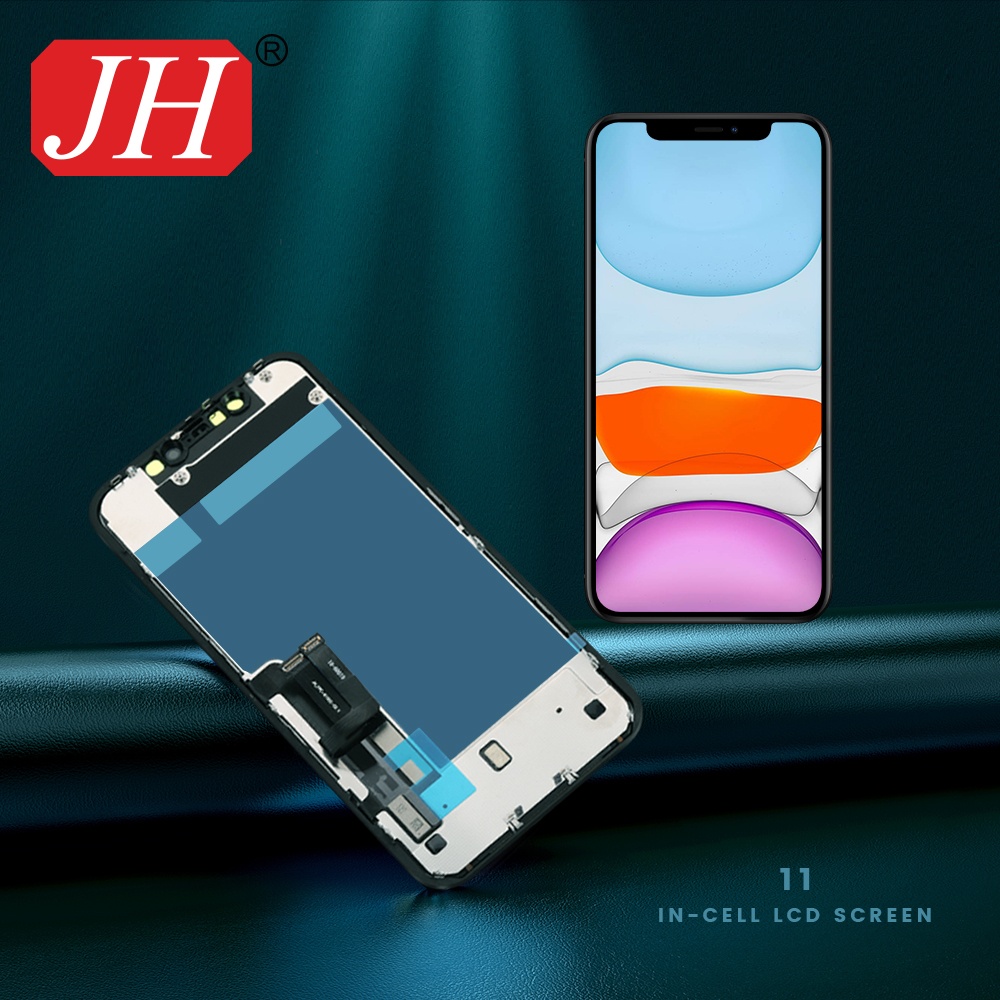
In 2019, when the iPhone 11 debuted with its 6.1-inch Liquid Retina HD display, no one could have predicted that seven years later, this screen would support a vast repair market and the emotional reliance of tens of millions of users on the streets of China. It is not as cutting‑edge as the later iPhone 13 Pro, nor does it have the novelty and flash of the Dynamic Island. Yet, with remarkable resilience, it has become a “load‑bearing wall” in the daily smartphone use of countless ordinary people — firmly supporting their lives, work, and emotional connections. However, the moment this screen shatters, it reflects far more than the fragility of a piece of glass; it reveals a vast industrial ecosystem rife with complex social games. How did a small iPhone 11 screen become a gathering place for the social emotions of our era?
1. The Survival Wisdom Behind Millions of “Holdouts”
On second‑hand trade‑in rankings, the iPhone 11 consistently ranks in the top three. Secondary market data from 2026 shows that a 128GB unit in good condition without major repairs still sells for between 800 and 1,300 yuan — retaining a residual value of over a thousand yuan after seven years of use, far exceeding the buyback prices of flagship Android phones from the same period. In markets such as China and Russia, the iPhone 11 remains the preferred choice for teenagers and price‑sensitive consumers.
The deep reason for this phenomenon is not merely a matter of economics, but a survival wisdom in the face of consumerism. When the cost of upgrading to a new phone keeps rising, those who choose to repair their old device are essentially solving an equation about living dignity — it’s not that they cannot afford a new phone, but that in weighing every expense, they opt for better value for money. This rational consumer choice has created a staggering demand of over 230 million repairs per year in China’s repair market, and has turned the iPhone 11 screen into a “cash cow” for repair shop owners to make a living.
2. “Extortionate Repairs” and a Trust Crisis Full of Pitfalls
However, once this fragile piece of glass breaks, what awaits the user is often not peace of mind, but a severe test of trust and money.
On one side are the high official repair prices from Apple. A single iPhone 11 screen repair costs over a thousand yuan, equivalent to half the price of a mid‑range Chinese smartphone. This pricing logic locks out countless price‑sensitive consumers from so‑called “quality assurance.” As a result, a large number of users are forced into the arms of the third‑party repair market, only to face an even more intensified series of pitfalls.
Taking advantage of users’ desire for cheap deals, scammers flood the internet with ads for “low‑price screens.” They then jack up the price through tactics like swapping out original parts or fabricating nonexistent faults such as “motherboard damage,” pushing repair costs to thousands of yuan. Even if someone escapes the price trap, third‑party “non‑original screens” come with their own hidden dangers — some iPhone 11 users have experienced issues like “yellow screen” or “uneven backlight” after a screen replacement, and even faced after‑sales disputes caused by mixed‑use of inferior batteries.
From Apple’s “price gouging” to the “fraud and deception” of unofficial repair channels, the humble iPhone 11 screen has turned into a prism that reflects the complex and dark side of an industry. It ruthlessly stings consumers’ helpless nerves and highlights the difficult choices iPhone 11 users face when seeking repairs.
3. Whose Screen? Whose Interests and Risks?
In the eyes of merchants, the iPhone 11 screen is a highly profitable monetization chain. For consumers, however, it is a social label of identity and financial capability. This misalignment of perceptions is the deepest social contradiction behind the iPhone 11 screen phenomenon.
For the wealthy, a cracked screen is merely a reason to buy a new phone. But for most ordinary people, a screen not only carries daily communication but may also test the limits of a family’s budget. When you choose to replace the screen at a small street shop for a so‑called “cost‑effective” 380 yuan, you are not just spending money — you are placing your trust in a stranger you don’t truly know. This fragile trust, combined with the extreme lack of transparency in the repair industry, creates fertile ground for structural fraud in the mobile repair sector.
Research data from Shangpu Consulting shows the serious consequences of this trust deficit: even in the thousand‑yuan repair price range, consumers still have a huge “trust gap.” Many prefer to pay the high official price rather than “gamble” in the third‑party market.
4. From Brittle Glass to Resilient Consensus
Physically, the iPhone 11 screen remains fragile and easily breakable glass. Yet, through the heavy everyday use of the masses and the high cost of repairs, it has become a resilient social consensus — repairing a phone is not just a technical fix, but a litmus test for the integrity of our social trust system.
The high‑handed official repair prices, the opportunistic fraud of dishonest actors, and the struggles of ordinary users form a realistic picture of contemporary Chinese society. To break this deadlock, it is not enough for consumers to be more vigilant or for Apple to lower its prices — we need more transparent industry standards, and we need more responsible third‑party service providers to bravely break the “black box,” so that “replacing an iPhone 11 screen” is no longer a nerve‑wracking blind box, but a transparent and clear consumer experience.
The next time you pick up this iPhone 11, take a look at its screen. Beneath its gloss lies not only cutting‑edge electronic technology, but also a silent struggle over social integrity, class fairness, and living dignity. Perhaps that is the major issue most worth facing and discussing in our era.