Behind the Scenes: Inside the iPhone Screen Production Line
Every iPhone display that reaches a customer’s hand begins its journey on a highly sophisticated production line, where precision engineering meets relentless quality control. The process of manufacturing an iPhone screen—whether it is an OLED panel for flagship models or an LCD for earlier generations—requires an environment that rivals a semiconductor cleanroom. Dust particles smaller than a human hair can render a display unusable, so the production floor is kept under strict positive pressure, with workers wearing full-body bunny suits and automated robotic arms handling the most delicate steps.

The
production line typically starts with raw glass sheets that are cut
into individual cover layers, followed by the lamination of touch
sensors, polarizers, and the actual display module. In the case of OLED
screens, the organic material is evaporated onto a substrate in vacuum
chambers, a process that must be controlled to within fractions of a
degree. For LCD-based iPhone screens, the backlight unit is assembled
separately before being bonded to the liquid crystal layer. One of the
most critical stages is the bonding process—using optically clear
adhesive to fuse the cover glass with the display module—which is
performed by high-precision automation to avoid bubbles or misalignment.
What
sets a genuine iPhone screen production line apart from generic
third-party operations is the depth of testing. After assembly, every
display undergoes a series of automated optical inspections, color
calibration checks, and touch sensitivity validations. Machines simulate
real-world usage by performing thousands of touch points across the
screen, verifying that there are no dead zones or erratic responses.
Another key test involves exposing the screen to extreme temperatures
and humidity to ensure durability. Only after passing all these
checkpoints does the display receive its unique serialization data,
linking it to the device’s system security.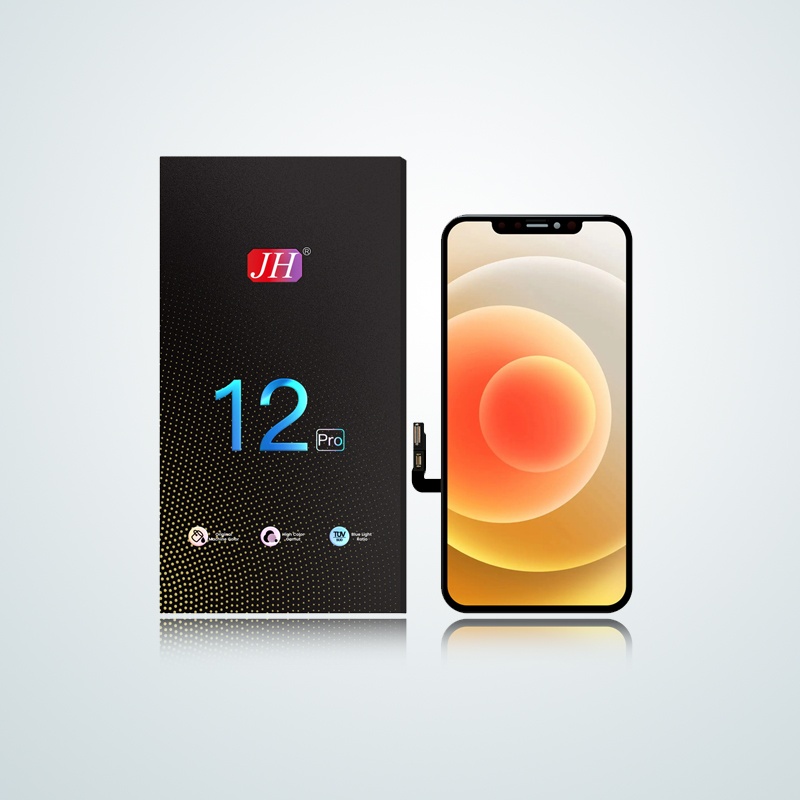
Automation
plays the leading role throughout the line. Conveyor systems move
panels between stations while cameras and sensors continuously monitor
for defects. When a flaw is detected, the system automatically flags the
unit for rework or rejection—maintaining the yield rates that Apple’s
supply chain demands. The level of consistency achieved is remarkable:
each screen is manufactured to identical specifications so that a
display assembled on a Monday performs exactly like one assembled on a
Friday.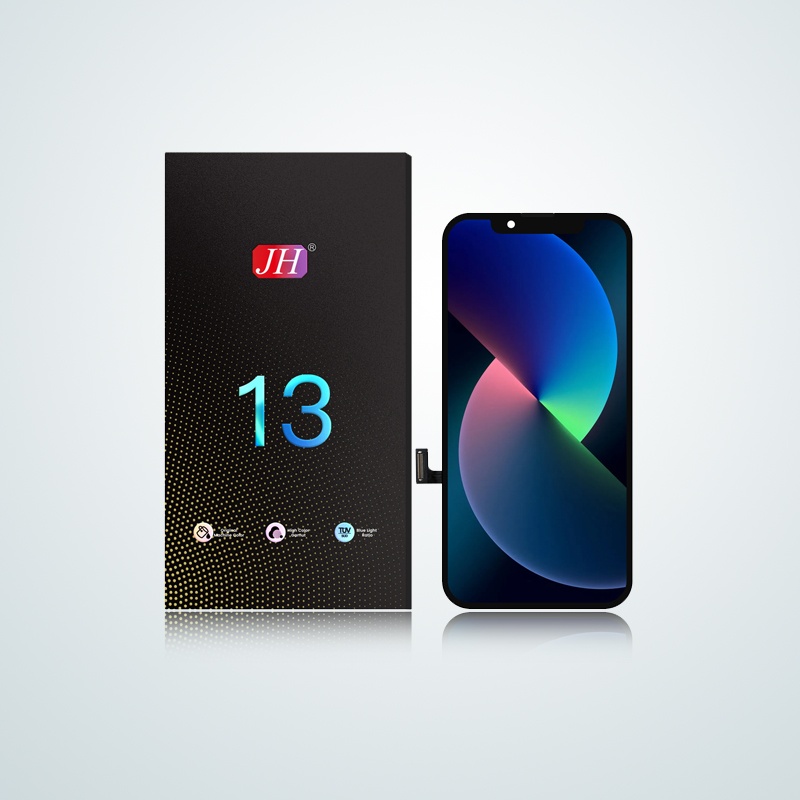
For repair
shops and aftermarket suppliers, understanding the original production
line’s complexity explains why third-party screens sometimes struggle
with iOS updates. The original line not only builds the hardware but
also embeds calibration data that aligns with the phone’s firmware. That
is why high-quality replacement manufacturers like JH invest heavily in
replicating these production and testing protocols—to ensure their
screens can meet the same rigorous compatibility standards.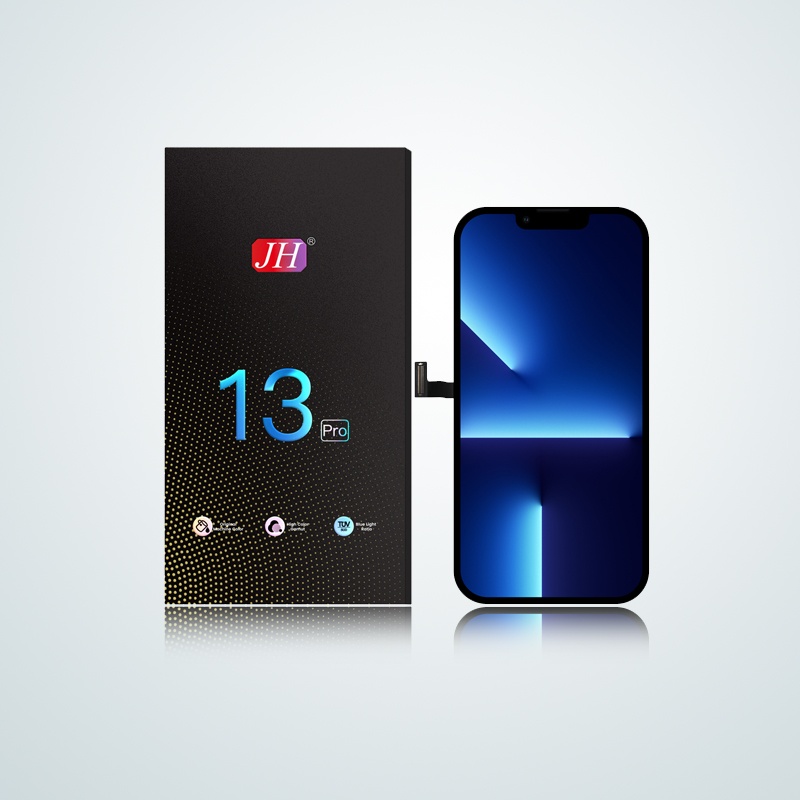
In
the end, an iPhone screen production line is not just about assembling
components; it is a fusion of cleanroom discipline, robotic precision,
and exhaustive validation. It transforms raw materials into one of the
most advanced and responsive displays in the world, proving that what
looks like a simple piece of glass is actually a marvel of modern
manufacturing.