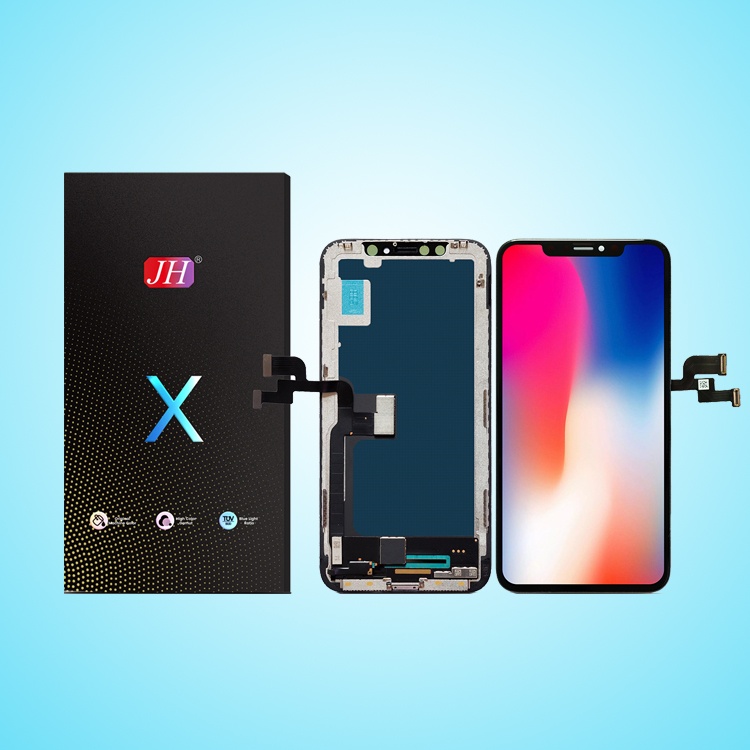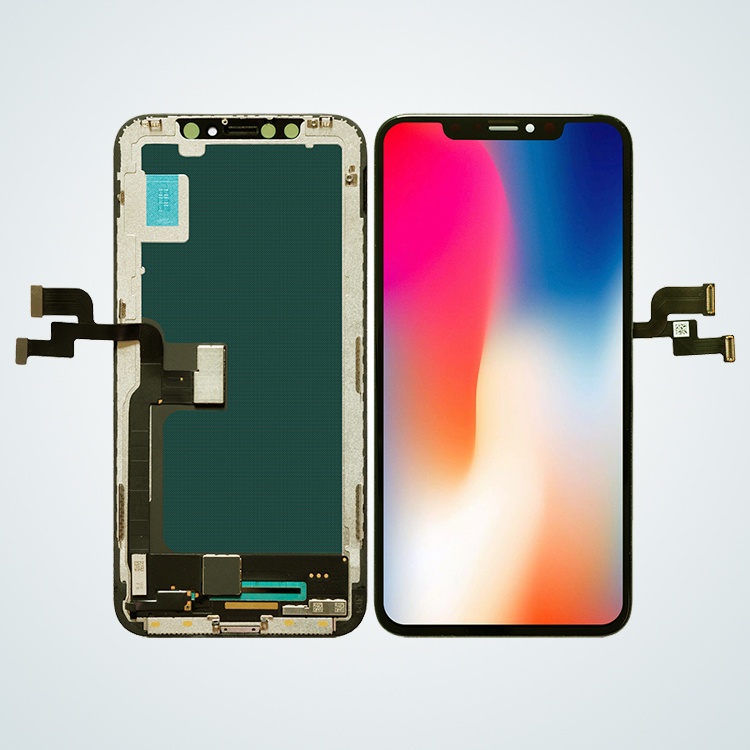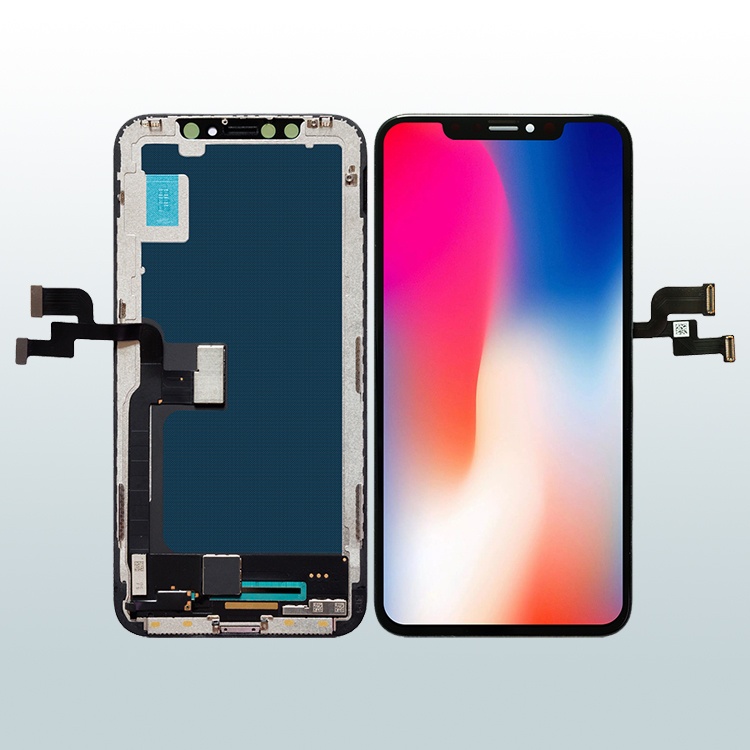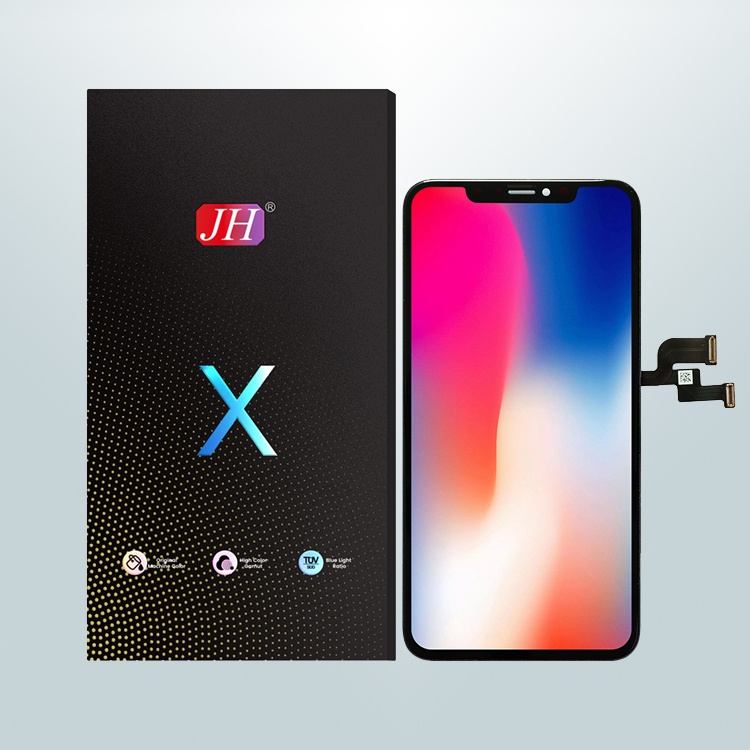
I. Apple Waited Ten Years Before Using OLED
In the fall of 2017, the iPhone X was released. Many people missed one detail: before this, Apple had been using LCD screens for a full decade.
From the original iPhone to the iPhone 7, it wasn't that Apple hadn't looked at OLED. Samsung had been using OLED on its own phones as early as 2010, but Apple never made the move. The reason was simple—Apple felt OLED wasn't good enough yet. Colors weren't accurate enough, brightness was insufficient, and there were concerns about lifespan. So they waited. Seven years.
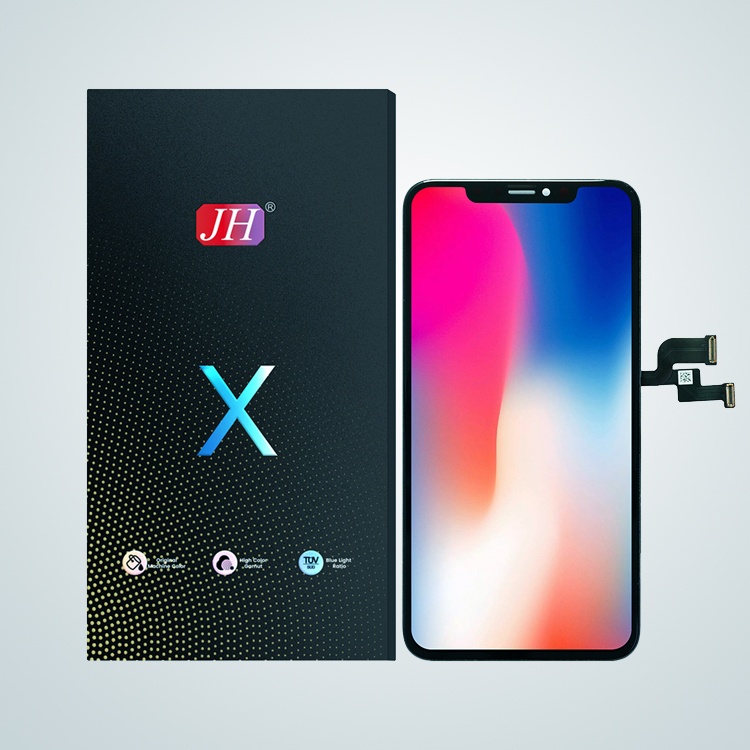
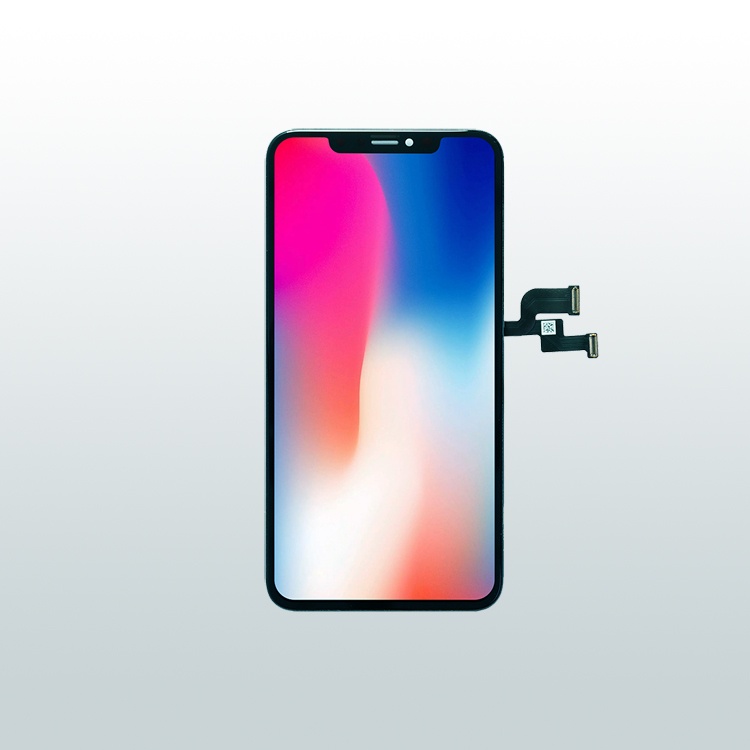
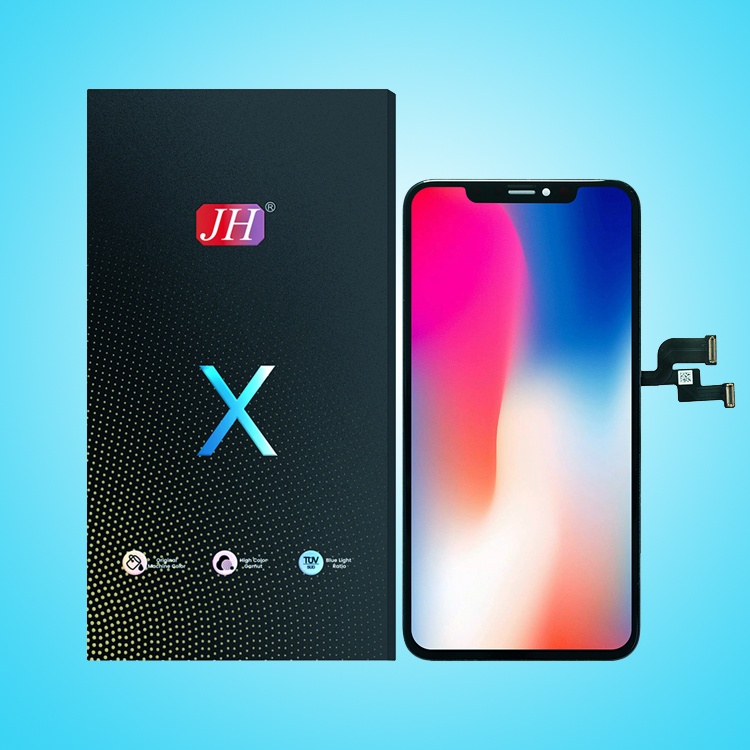
By 2017, Apple was finally ready. But the conditions were strict: the screen had to be customized to Apple's standards, not simply using Samsung's off-the-shelf solution. And so came the 5.8-inch iPhone X screen, with a resolution of 2436×1125, pixel density of 458 ppi, and a contrast ratio of 1,000,000:1. Apple gave it the name "Super Retina display."
This screen was unlike any iPhone before it. Blacks were truly black because OLED pixels can turn off completely. When watching HDR video, bright areas were dazzling while dark areas were nearly invisible—the sense of depth was immediate. Anyone who used it at the time knows that looking back at an iPhone 7 screen afterward felt washed out and gray.
II. That Screen Made the Home Button Disappear Forever
The iPhone X screen brought more than just improved display quality—it changed the entire form factor of the phone.
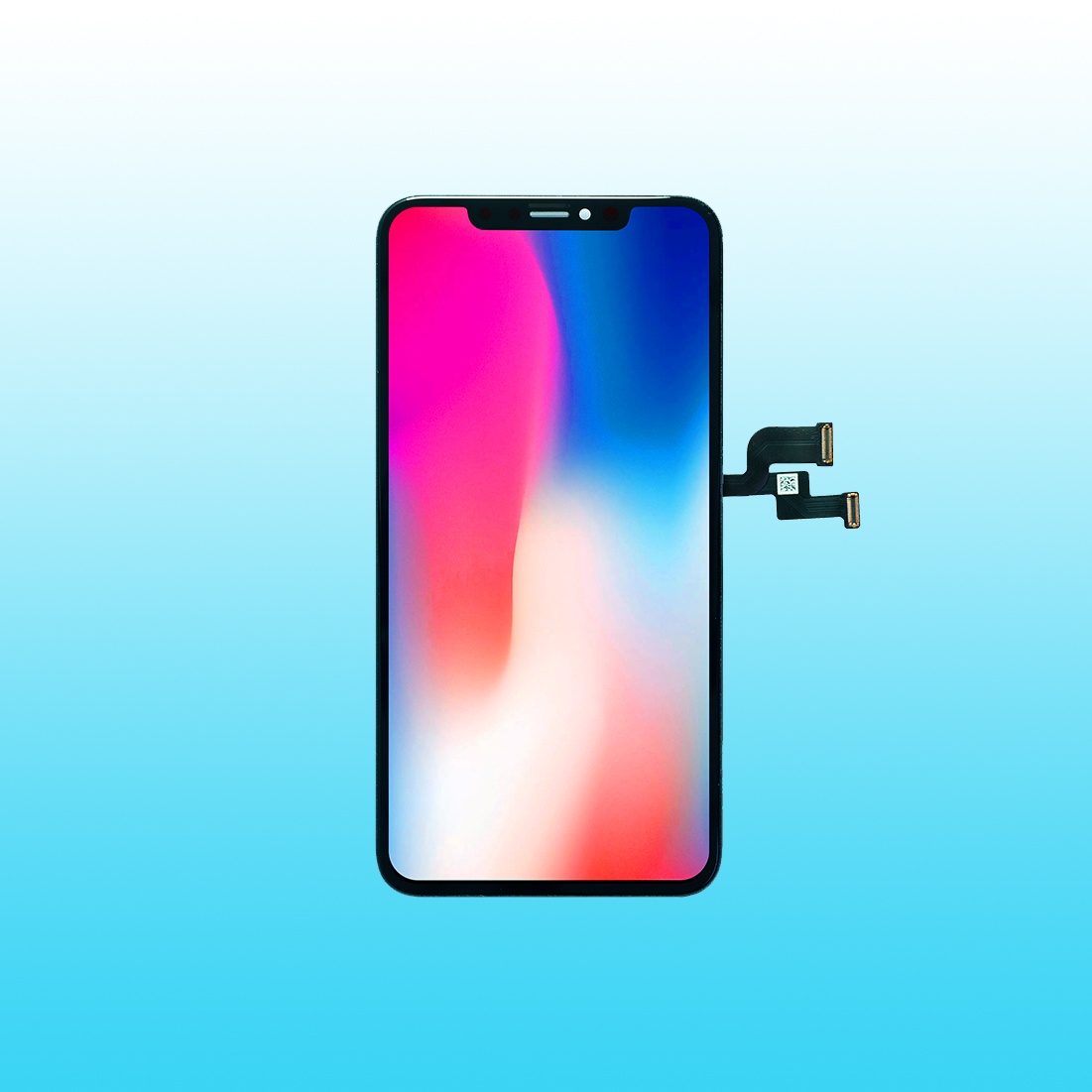
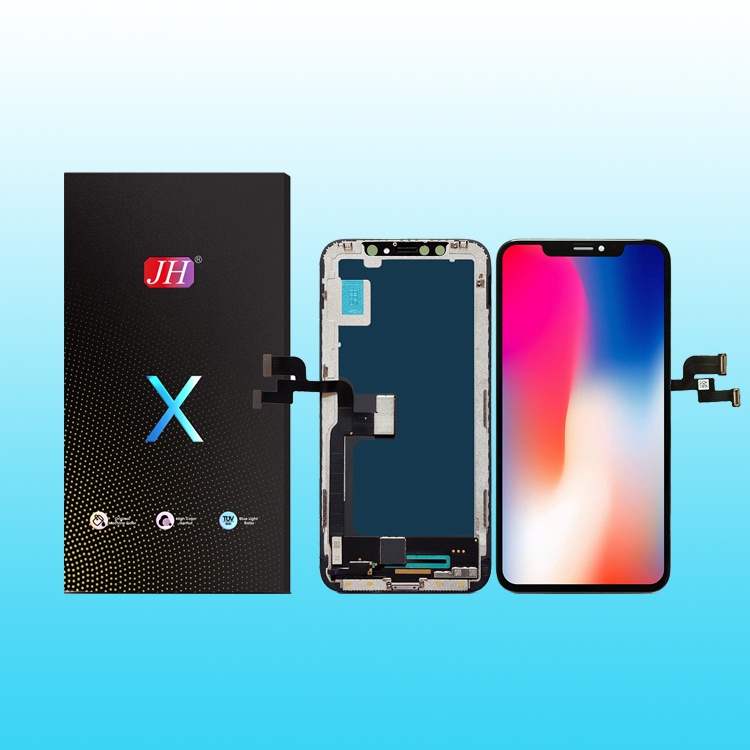
Previous iPhones required space below the screen for the Home button, plus a forehead and chin, which limited the screen-to-body ratio. But the iPhone X screen was a flexible OLED, allowing the bottom control circuitry to be folded to the back, dramatically shrinking the chin. Combined with the "notch" area at the top, the front became almost all screen.
Speaking of the notch, that design was heavily criticized at the time. Many thought it was ugly, questioning how Apple could release something like that. But interestingly, within months, Chinese Android manufacturers one by one released phones with notches. People complained, but they copied anyway. Looking back, the notch on the iPhone X screen was really a technical compromise—it housed eight components including the front camera, dot projector, proximity sensor, and ambient light sensor. Apple wanted Face ID while achieving an all-screen design, and technically, this was the only way to do it.
III. One Screen Accounted for a Quarter of the Device's Cost
Just how expensive was the iPhone X screen?
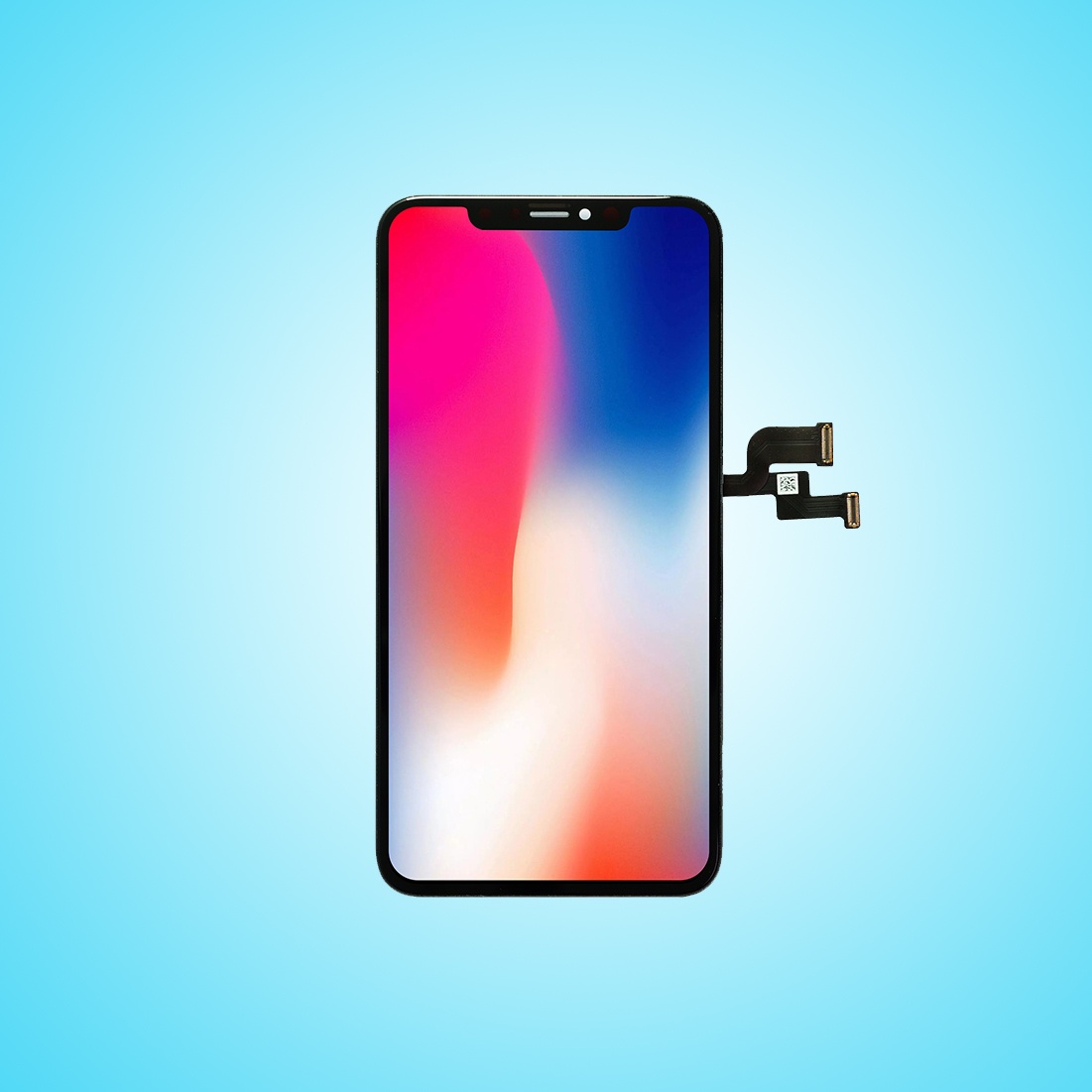
According to teardown reports at the time, the screen cost between $110 and $160. To put that in perspective: the iPhone X started at $999, meaning the screen alone accounted for nearly a quarter of the price. Many mid-range Android phones had a total bill of materials lower than the cost of this single screen.
On the supply chain side, Samsung was the exclusive supplier. Apple spent nearly two years negotiating with Samsung for this screen. Word was that Samsung formed a dedicated 200-person team to work full-time on Apple's development. It wasn't until 2018 that LG became the second supplier, breaking Samsung's exclusivity.
Apple was willing to spend this much because the iPhone X screen truly carried a lot of new technology. It had to support 3D Touch on OLED, integrate a pressure-sensitive layer within an extremely thin package, and include True Tone—automatically adjusting white balance based on ambient light. Packing all these technologies together made it impossible to keep costs low.
IV. One Screen Ushered in an Era
The iPhone X didn't have a long lifecycle. After the iPhone XS launched in 2018, it was discontinued. But its influence has continued to this day.
Starting with the iPhone X, Apple gradually transitioned its entire product line to OLED. By 2020, the entire iPhone 12 series used OLED displays. After the iPhone 16e was released in 2025, Apple removed the last LCD iPhone SE from its official website, marking the complete end of the LCD era for the iPhone lineup.
The iPhone X screen also proved something: consumers were willing to pay for a truly great display. Before the iPhone X, many people didn't pay much attention to screen specifications. But after experiencing the Super Retina display, going back to ordinary screens was hard. It was like the iPhone 4's Retina display all over again—once you've seen great quality, you can't unsee it.
V. Final Thoughts
Today, any new iPhone you pick up has better display specs than the iPhone X screen. Higher brightness, higher refresh rates, and no notch at all. But that sense of a leap—from "phone with bezels" to "almost all screen"—has rarely been repeated since.
Interestingly, even today, there are still people looking for iPhone X units on the second-hand market. Many buy it as a backup phone, and the reason is surprisingly consistent—the iPhone X screen still holds up in terms of display quality, plus it's lightweight and feels better in hand than many of the flagship models that followed.
It shows that a truly great screen has a lifespan far longer than the product it was made for. The iPhone X screen may now be a thing of the past, but the standards it set—high contrast, wide color gamut, True Tone, the all-screen form factor—remain standard features on every smartphone today.