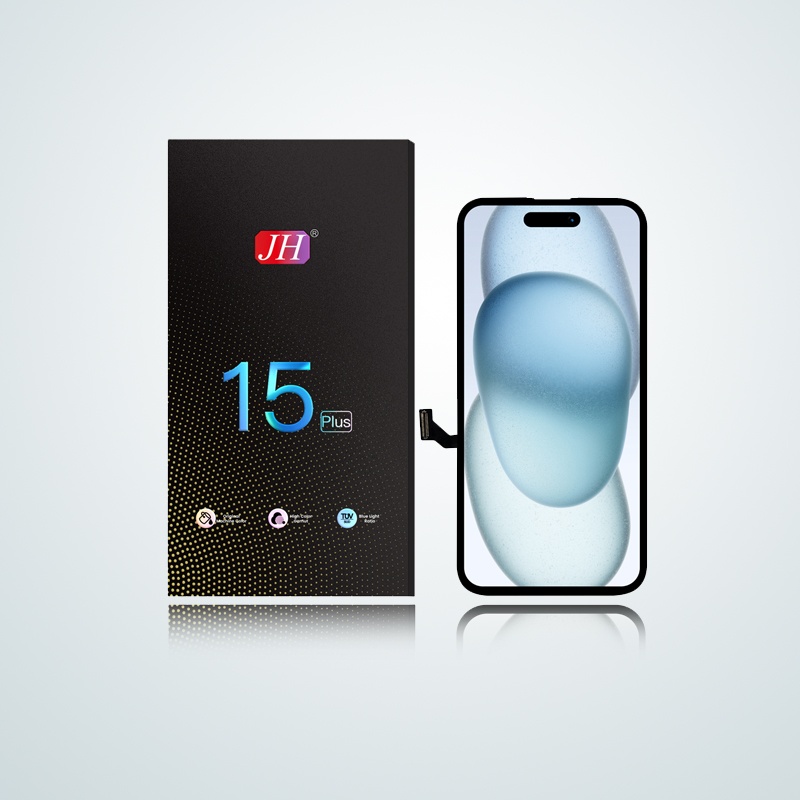
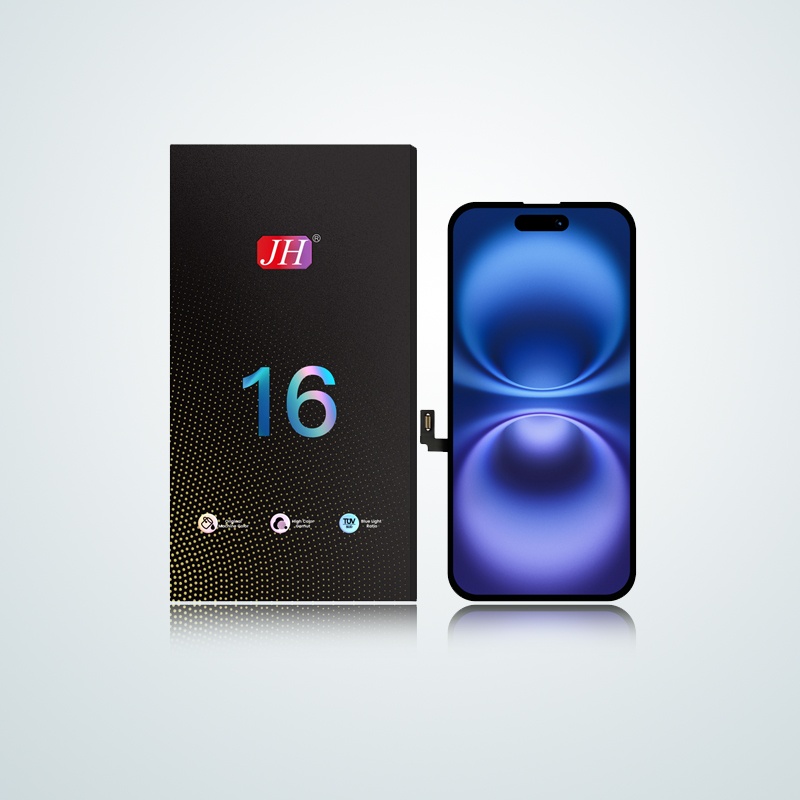
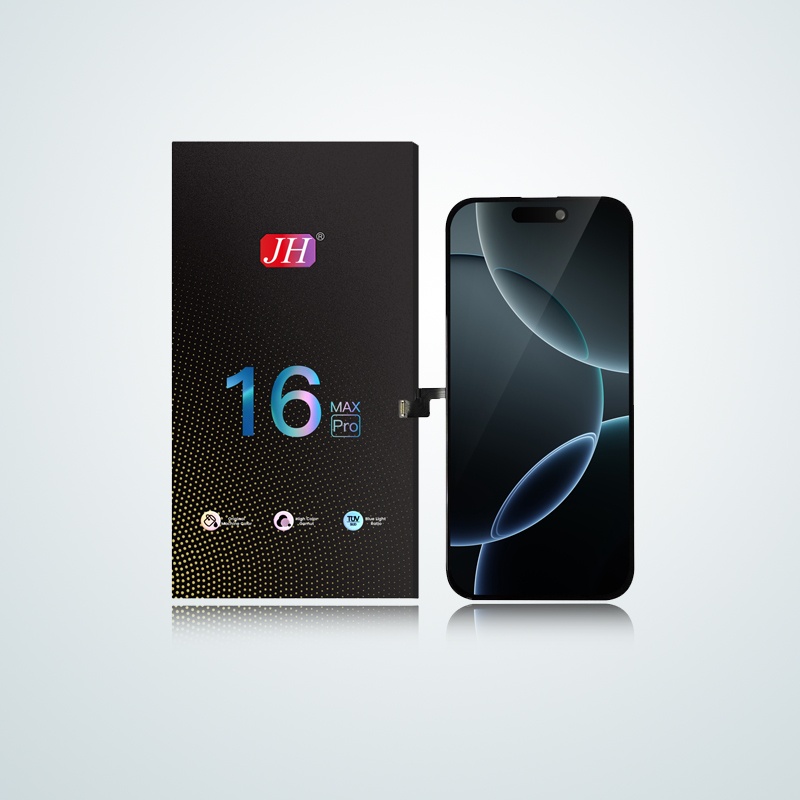
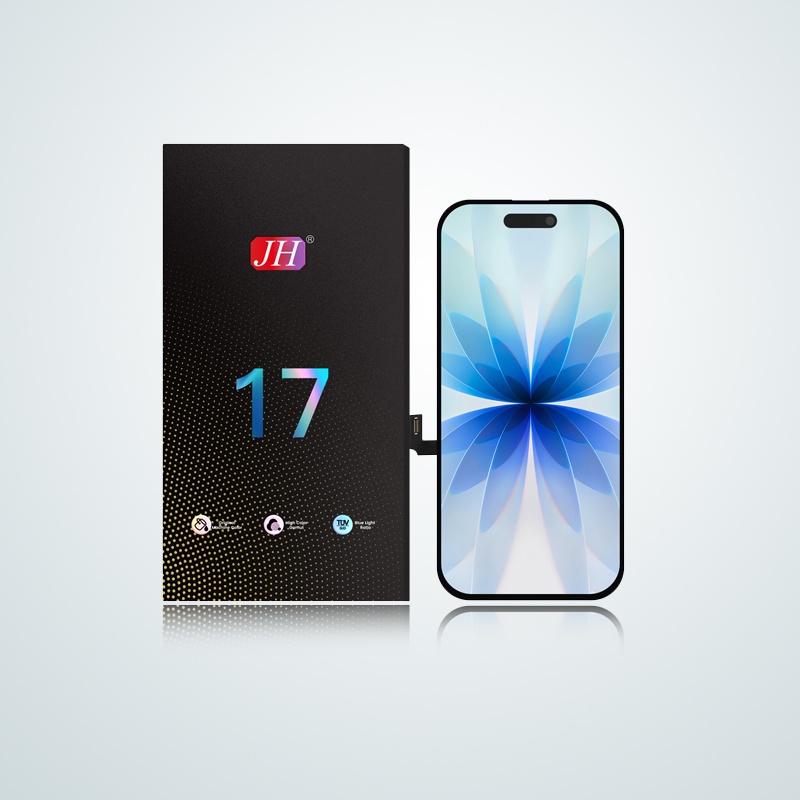
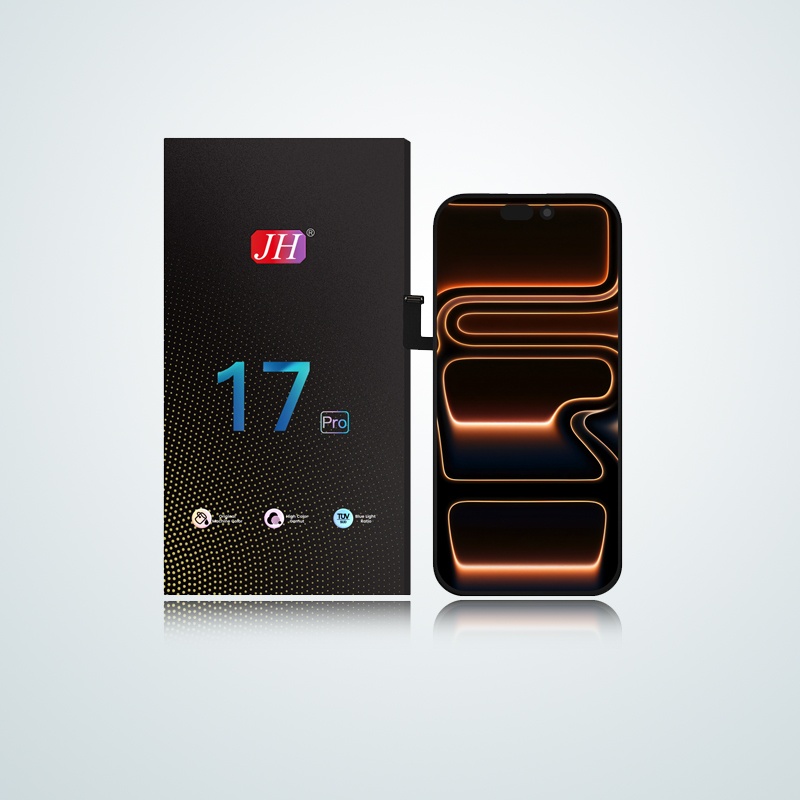
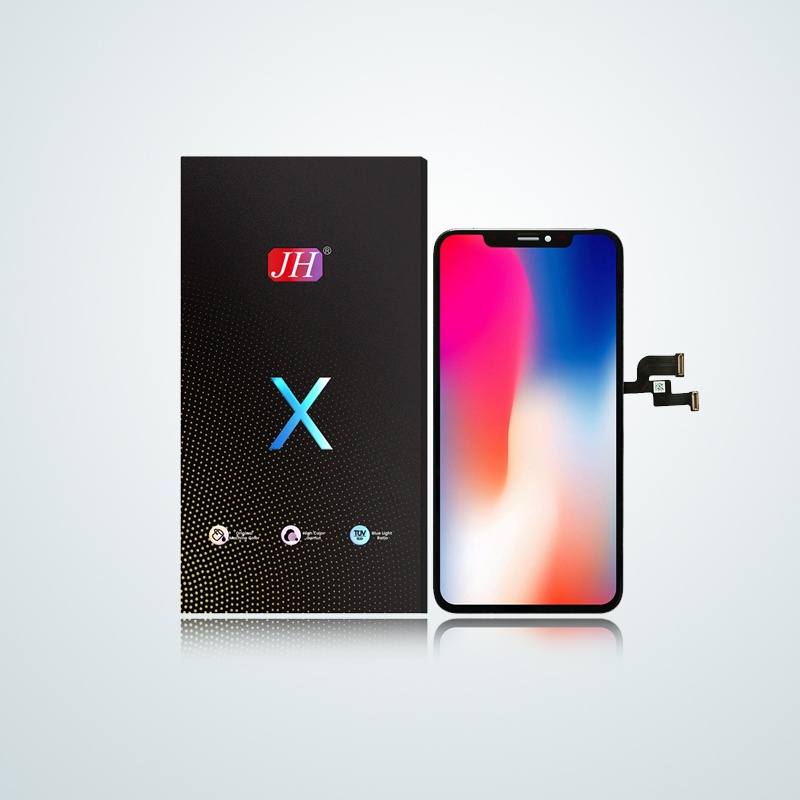
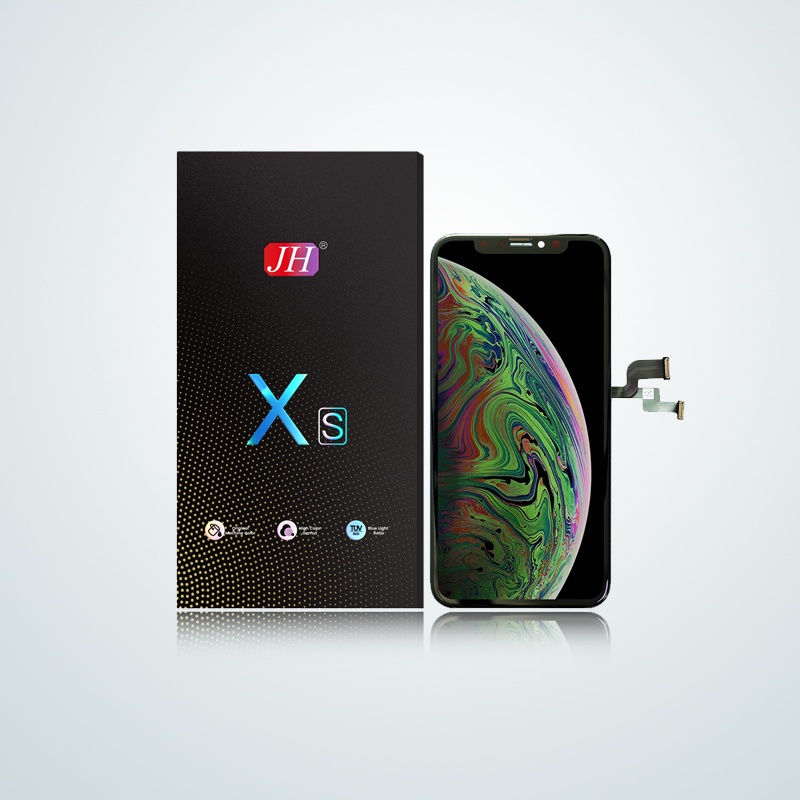
After years of working in the mobile phone repair industry, I often get asked by colleagues or customers: "My iPhone screen is cracked, what's the best replacement option?" or "What's the real difference between those FHD screens on the market and the original ones?" Today, based on real-world experience in this trade, I'm going to break down everything about iPhone screen suppliers and the replacement market, from the iPhone X all the way to the 16 series.
1. Who Makes iPhone Screens? Revealing the Three Major Suppliers
First, it's important to know that Apple doesn't manufacture its own screens. The companies that land Apple's orders are basically the top players in the display world. According to the latest supply chain data, the four main suppliers for iPhone OLED screens currently are: **Hongshengtong Optoelectronics**, **Samsung Display**, **LG Display (LGD)**, and **BOE**.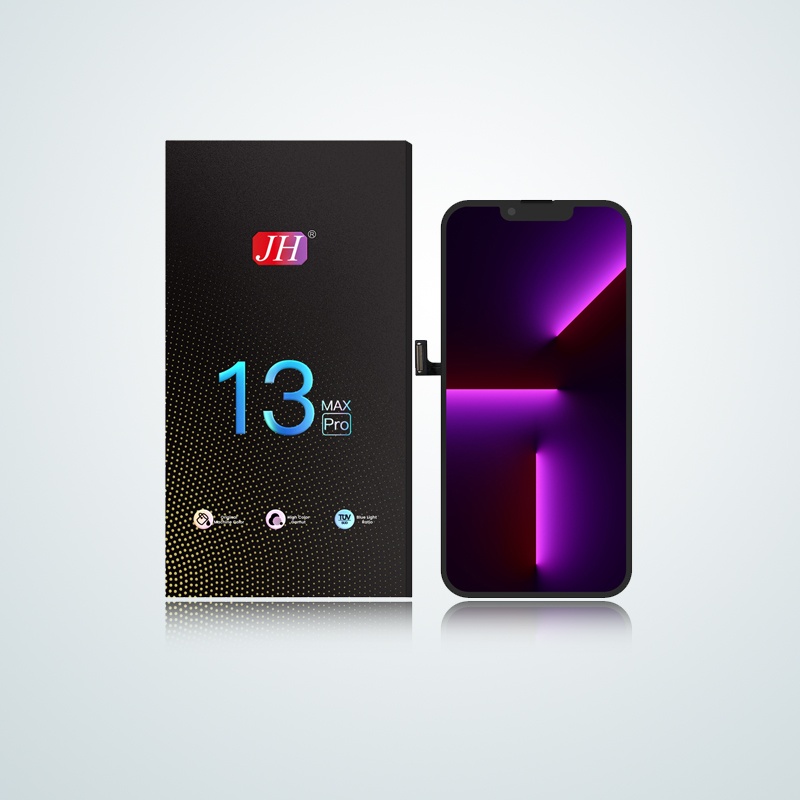
Samsung has always been the leader, consistently holding over half of the orders, especially for the high-end screens used in the Pro series, which are mostly supplied by Samsung. However, the landscape is changing for the standard models. After entering the supply chain in late 2020, BOE's market share has grown rapidly. Market research data shows that in the second quarter of 2025, BOE even briefly surpassed LG Display to become Apple's second-largest OLED supplier, capturing a 22.7% share. For us in the repair business, this means the sources for "pulled parts" and "original dismantled screens" circulating in the market have become more diverse.
Of course, while original screens are great, their high cost has led to a massive third-party market for high-quality replacements – what we commonly call **compatible screens** and **refurbished (rear-pressed) screens**.
2. Classifying FHD Replacement Screens: It's More Than Just Replacing Glass
When we need to replace a screen for a customer, faced with a dazzling array of "FHD Screens," how do we choose? It starts with understanding the display technology.
a. Incell LCD Screens: The Legacy Continues
Although OLED is now mainstream, high-quality **FHD Incell LCD screens** remain the king of cost-performance for models like the iPhone XR, iPhone 11, and some standard versions.
**COG vs. COF Technology**: These are two packaging processes for LCD screens. Simply put, **COF (Chip On Flex)** screens place the chip on the flexible circuit, resulting in a narrower chin and a visual effect closer to the original, though the cost is slightly higher. **COG (Chip On Glass)** is a bit thicker but theoretically offers better power consumption control.
**Representative Models**: Third-party FHD screens for models like the iPhone X, iPhone XS Max, and iPhone 11 often use mature Incell technology, achieving brightness around 580 nits and covering up to 98% of the NTSC color gamut.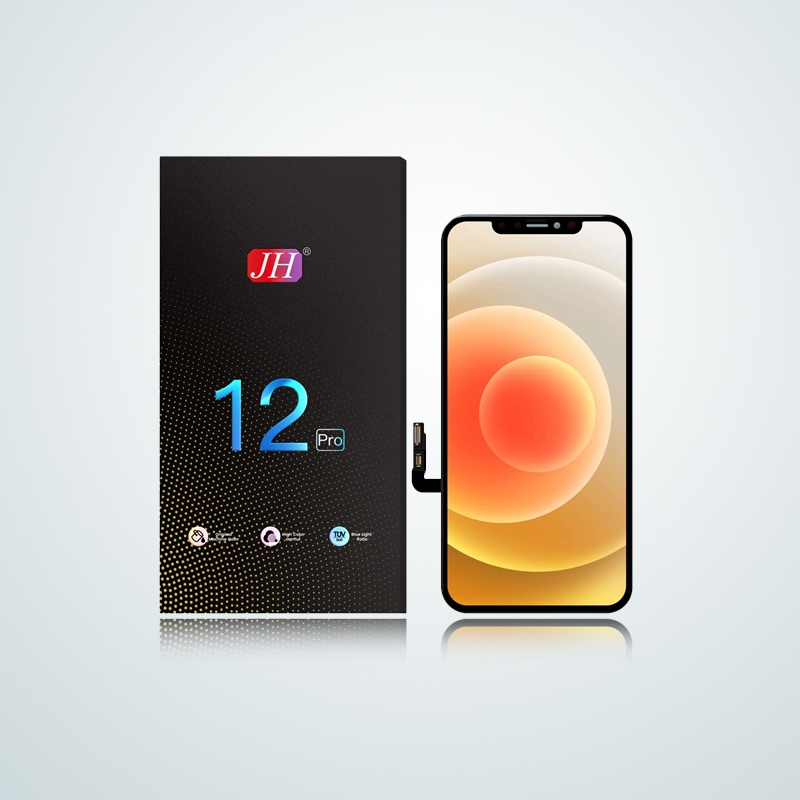
b. Hard OLED vs. Soft OLED: The Nuances of Flexible Screens
Starting with the iPhone X, OLED became mainstream. But in the replacement market, OLED screens are also graded.
**Hard OLED**: These screens have a glass substrate, making them more brittle and less resistant to bending, but their color and contrast already far surpass LCD. Their main advantage is a relatively lower price.
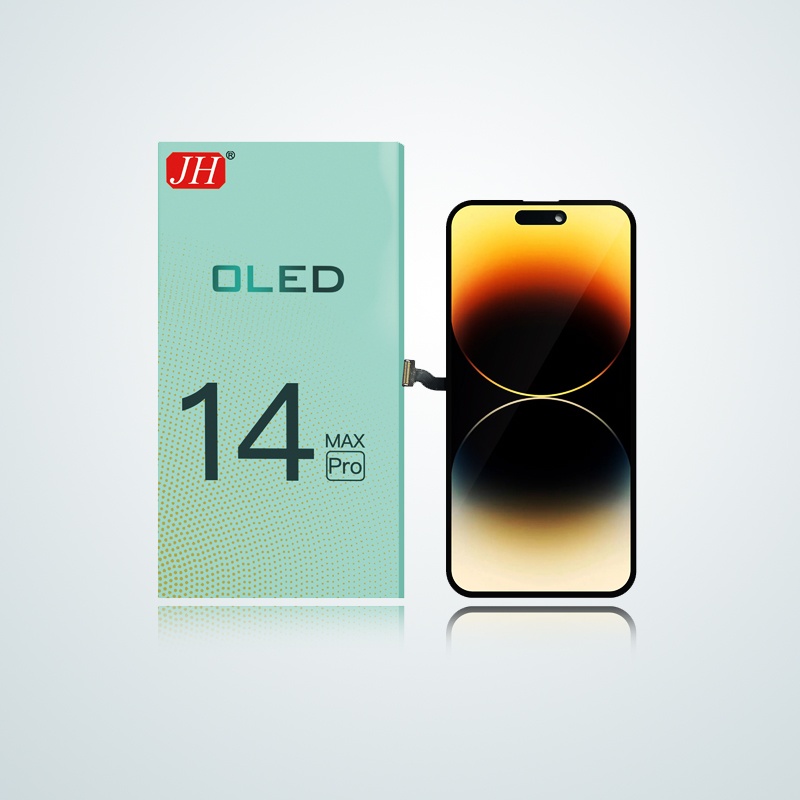
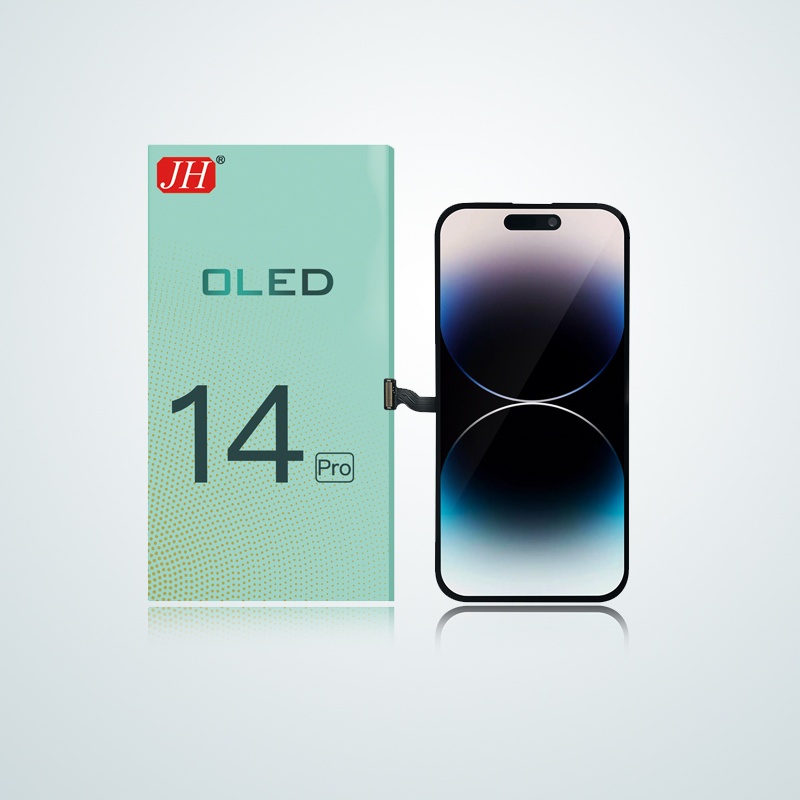
**Soft OLED**: This is the real high-end stuff. The substrate is plastic, making it very thin, flexible, and more drop-resistant. Currently, high-end replacement screens for models like the **iPhone 13 Pro Max, iPhone 14 Pro, iPhone 15 Pro Max, and even the iPhone 16 Pro Max** are mostly advertised as "Soft OLED" because they need to mimic the original screen's ultra-thin bezels and low-power characteristics. Some wholesalers even specifically use the term "iPhone 17 soft OLED Screens" to emphasize the flexible material.
3. A Guide to Choosing FHD Screens for All Series (iPhone X - 17)
Based on wholesaler catalogs and practical repair experience, the following **FHD Replacement Screens** currently have the best market support, catering to needs from repair shops to end-users:
Classic Series
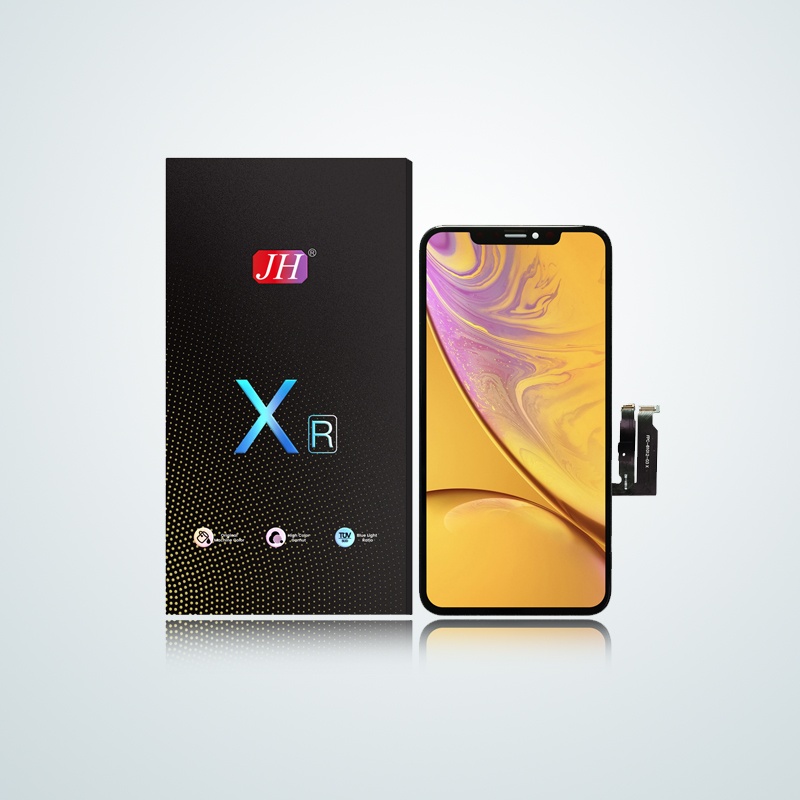
**iPhone X / XS / XR / MAX**: Ranging from 5.8 inches to 6.5 inches. FHD OLED screen technology for the X and XS is very mature. For the XR's FHD LCD screen (native resolution 1792x828), the third-party market often offers "enhanced versions" with higher brightness.
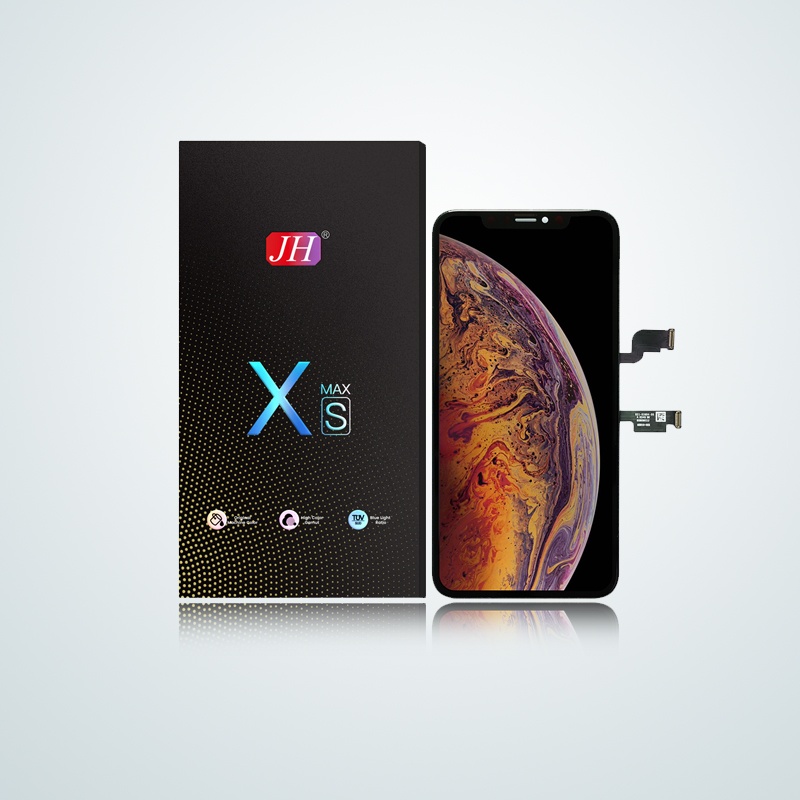
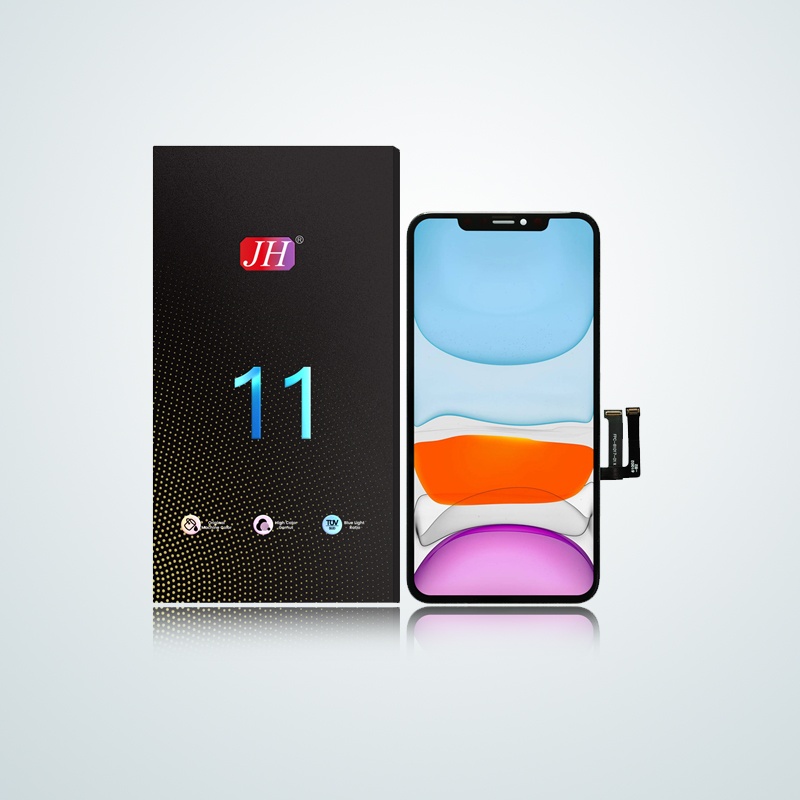
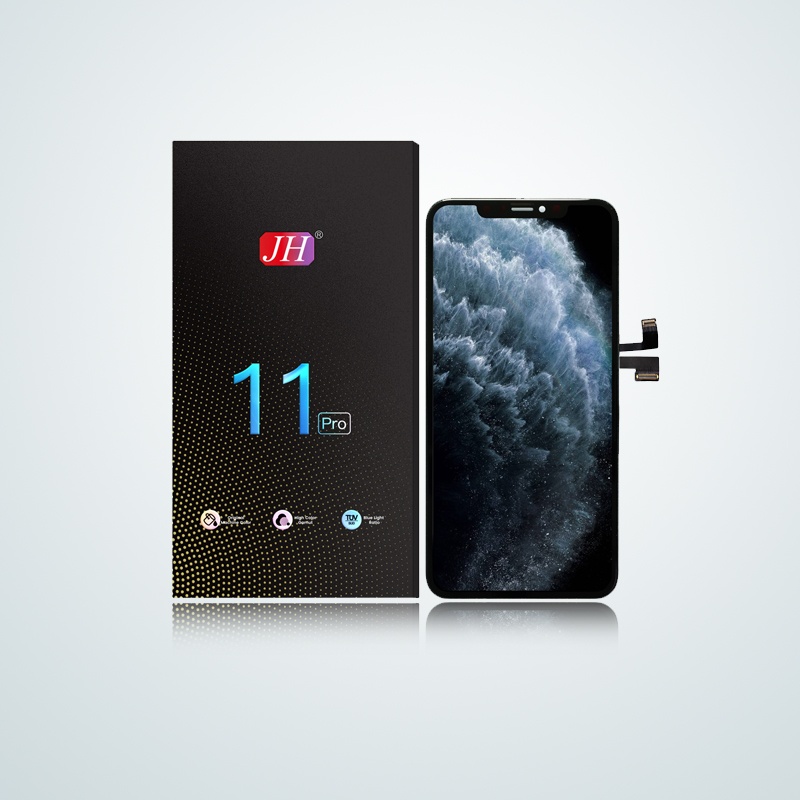
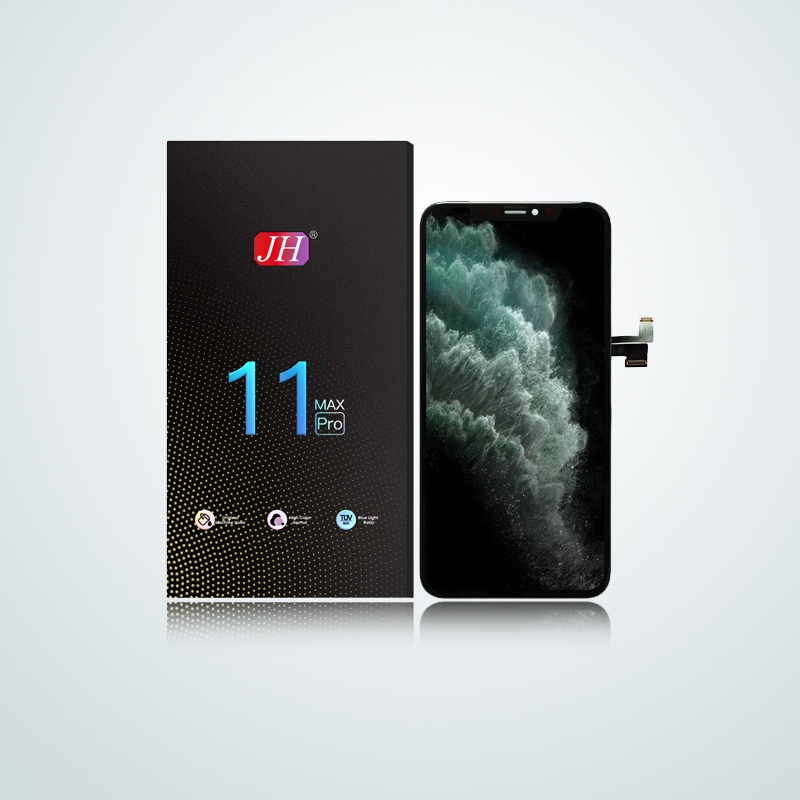
**iPhone 11 / 11 Pro / 11 Pro Max**: The 11 Pro series uses OLED. The third-party market now has good versions with a "moved IC" (touch IC) that makes it easier to copy True Tone data during repairs.
The 5G and High Refresh Rate Era
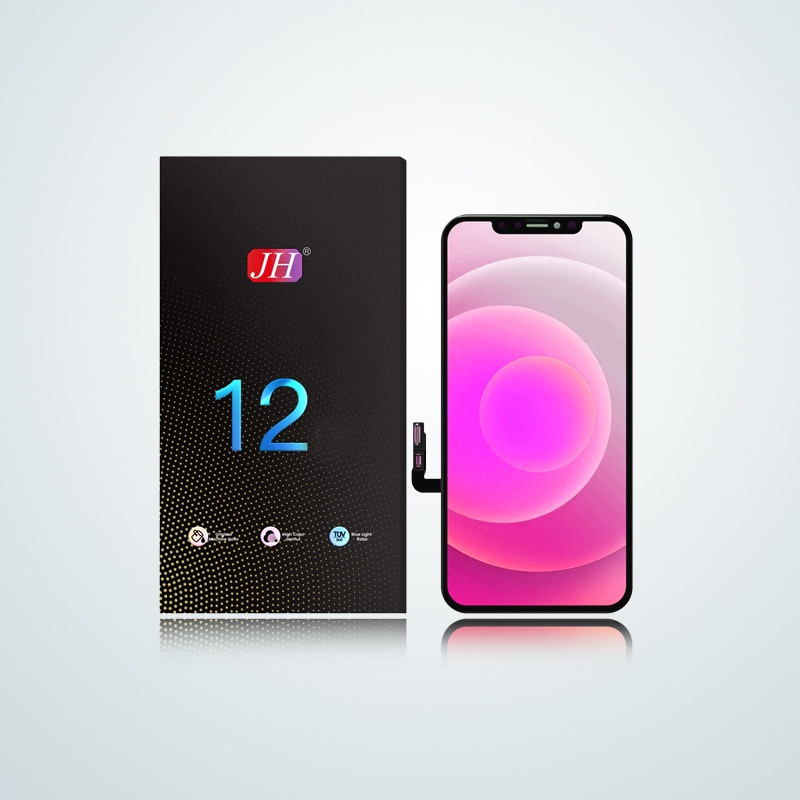
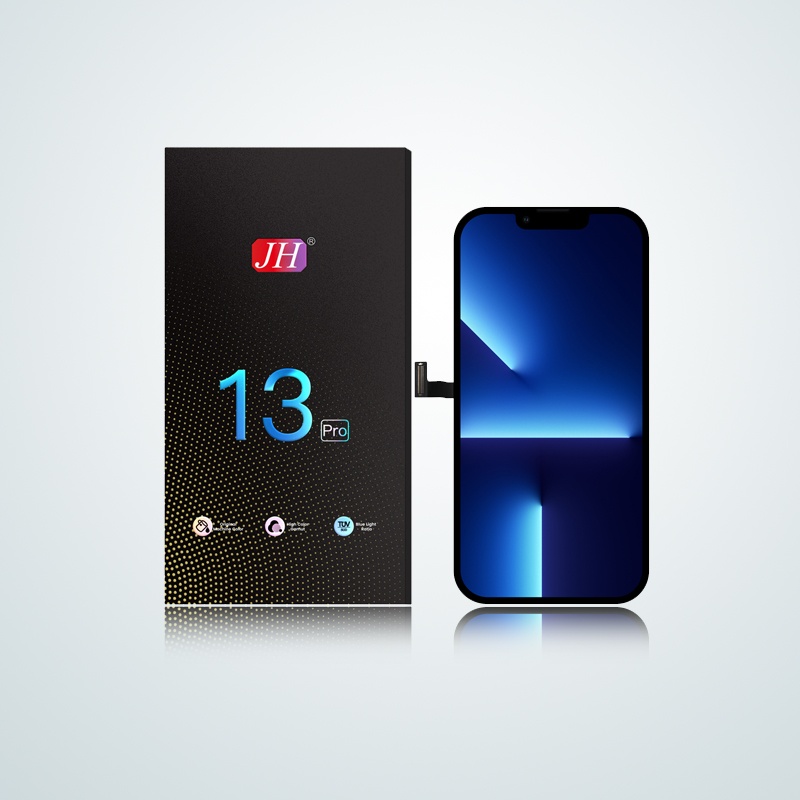
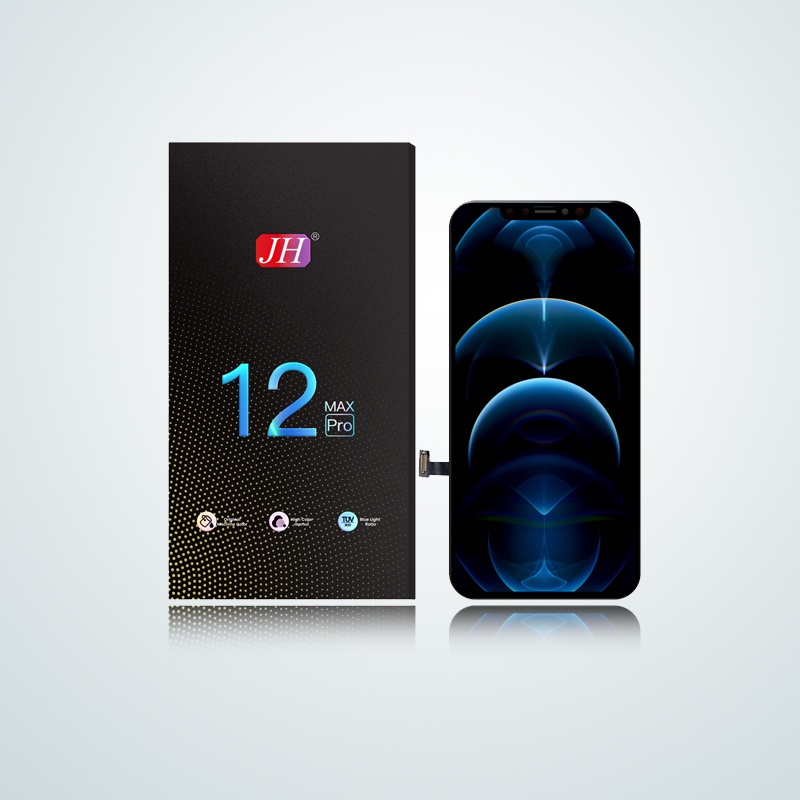
**iPhone 12 / 13 Series**: Including the 12 Mini, 12 Pro Max, 13 Pro Max. These are currently the most frequently repaired models. The 12 series marked the transition to all-OLED lineups, but the 13 Pro series introduced 120Hz refresh rates. **120Hz Incell FHD screens** specifically for the **iPhone 13 Pro Max** have appeared on the market. While the high-refresh experience might slightly differ from the original, it's perfectly smooth for average users.
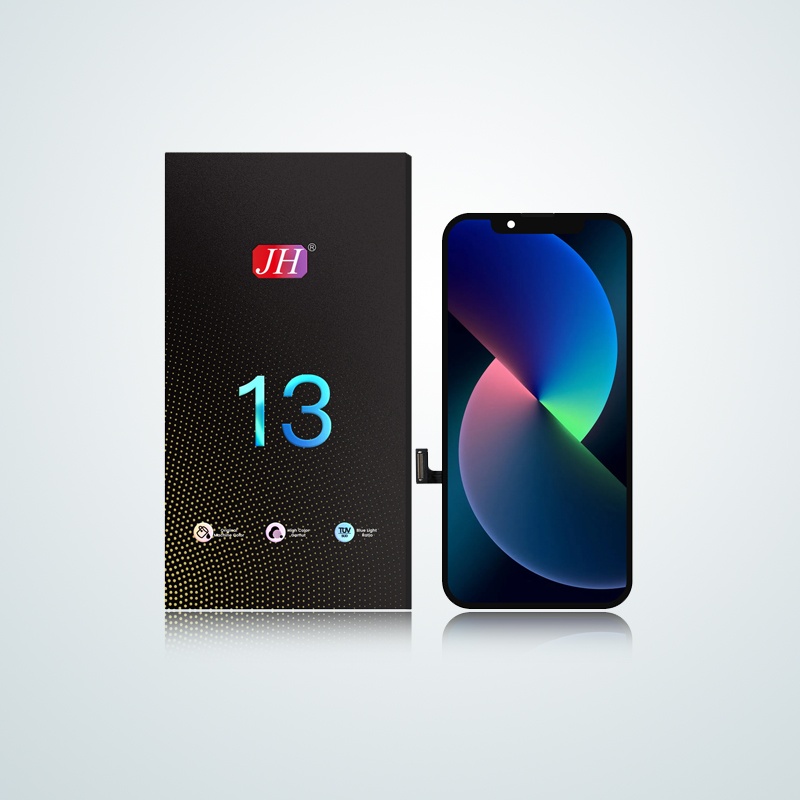
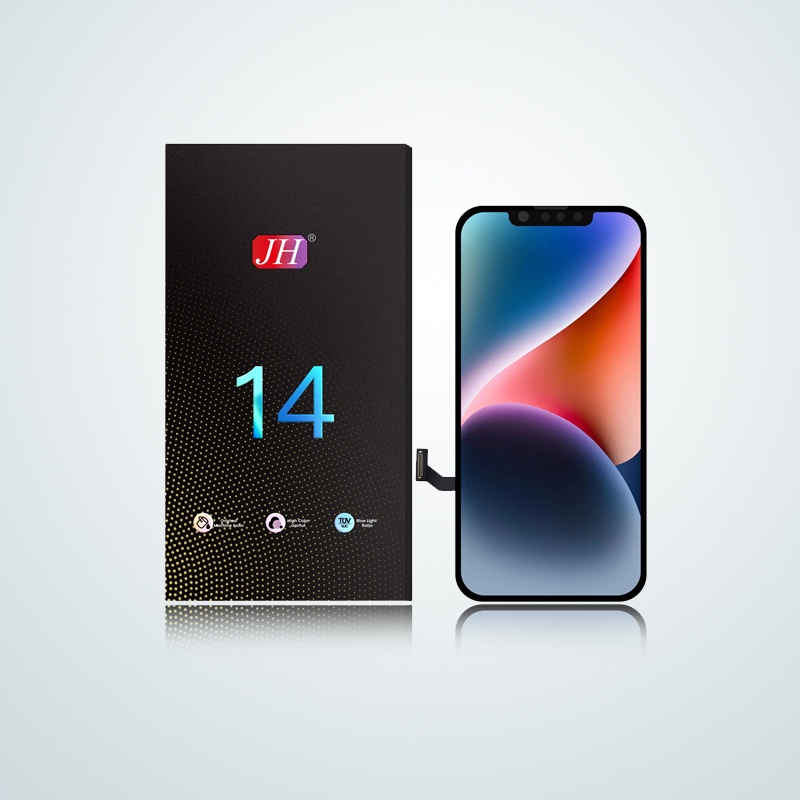
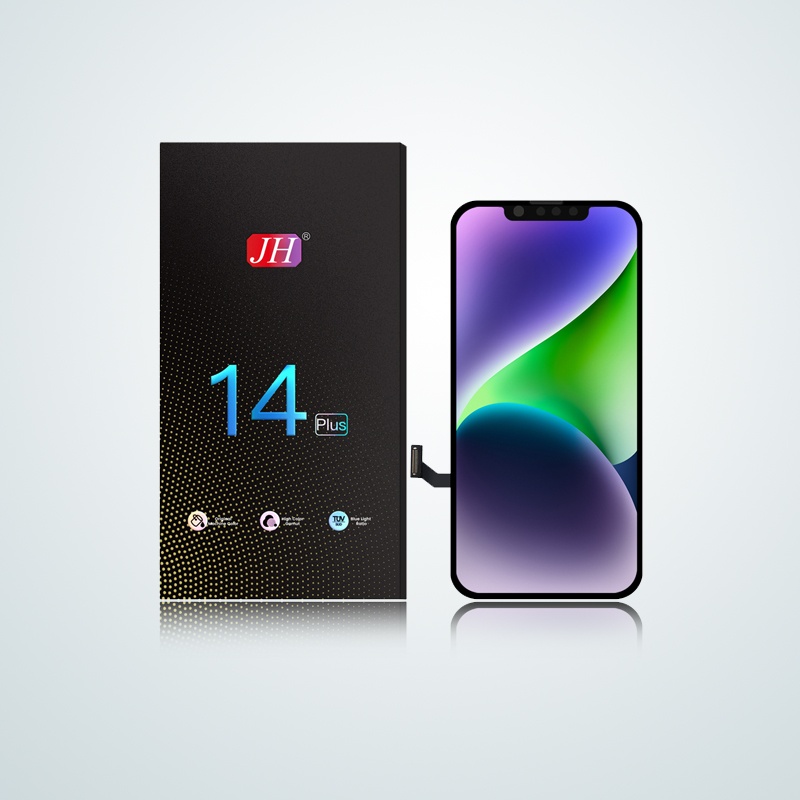
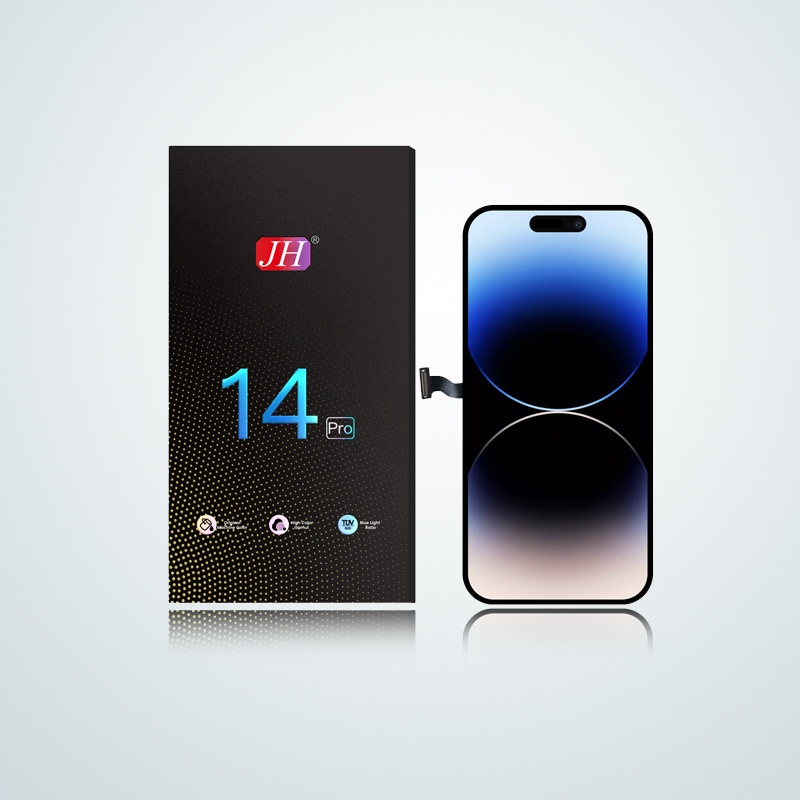
**iPhone 14 Series**: The iPhone 14 Plus screen is a key focus because of its large installed base and high repair demand. Currently, wholesale channels have a large supply of **iPhone 14 Plus FHD Incell** screens, some even supporting COF technology, offering good brightness and power consumption control.
The Dynamic Island and Future
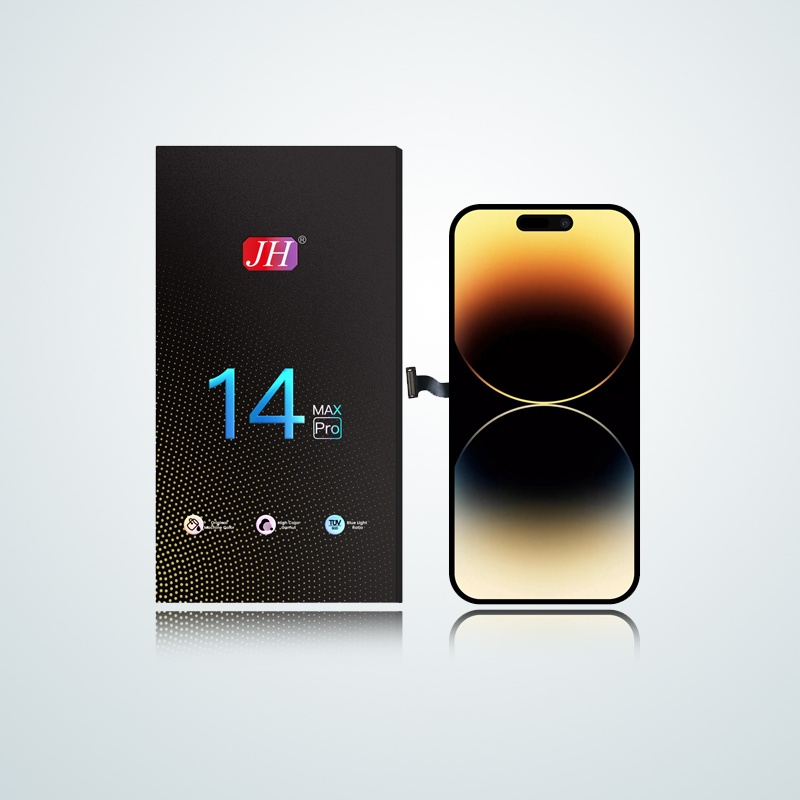
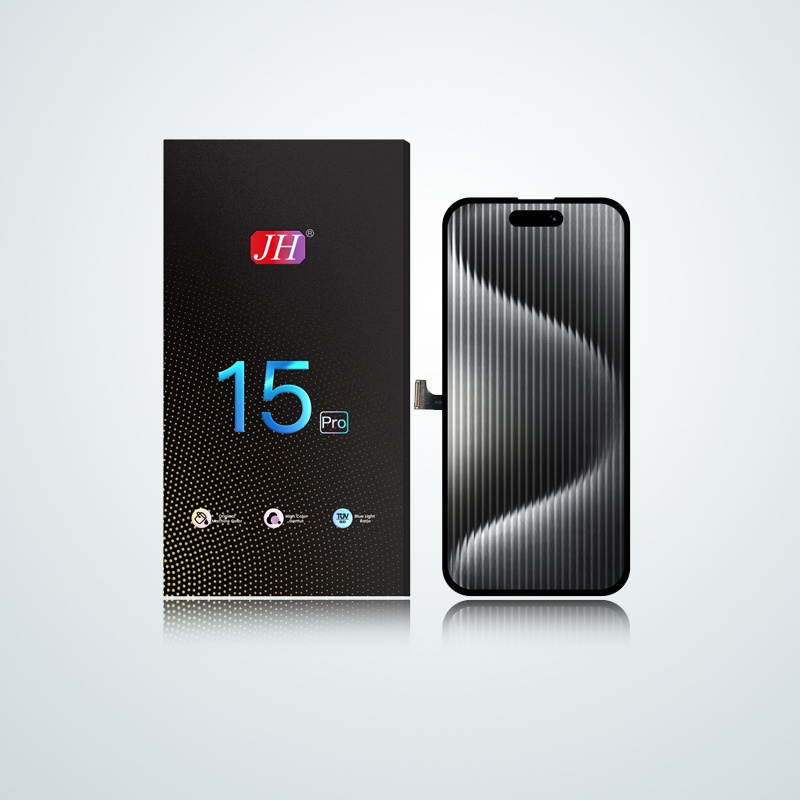
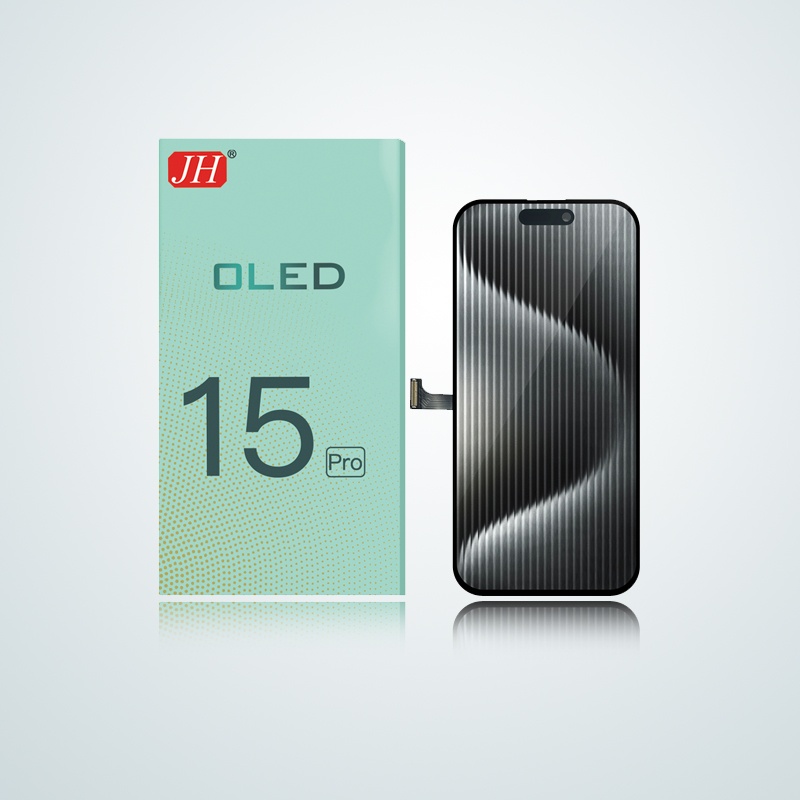
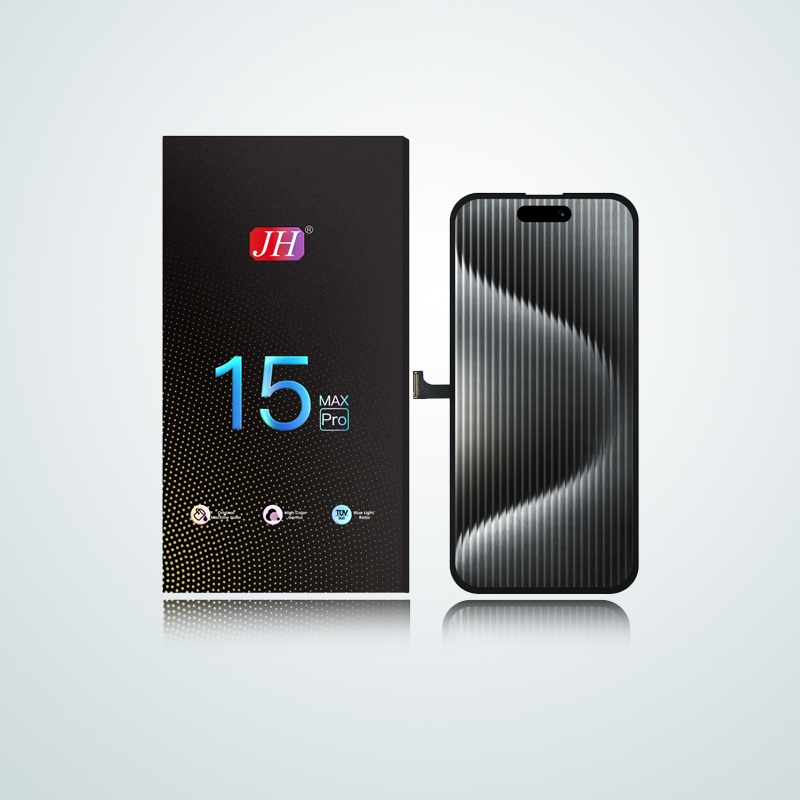
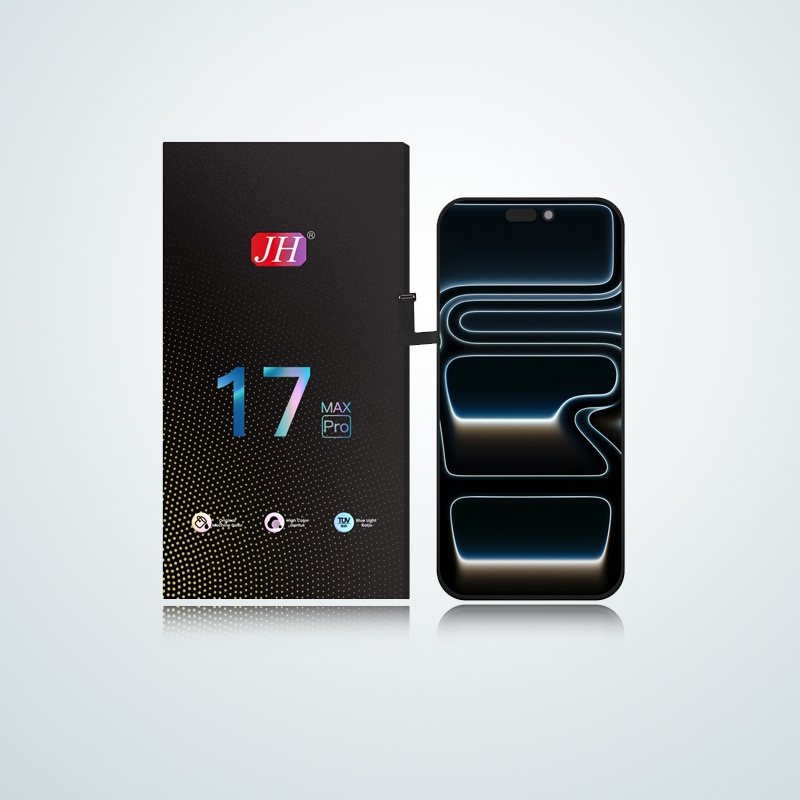
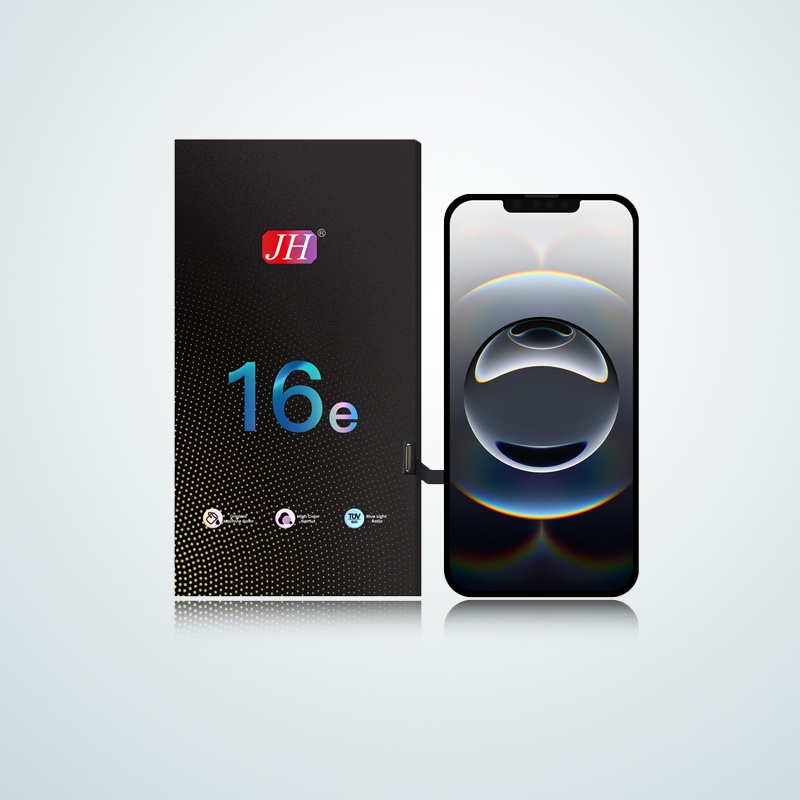
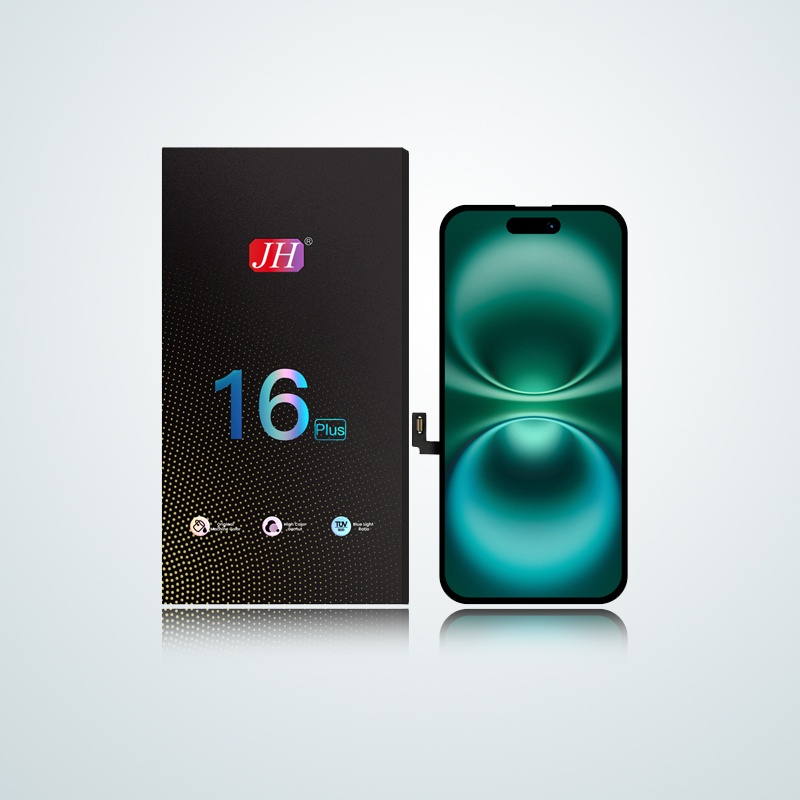
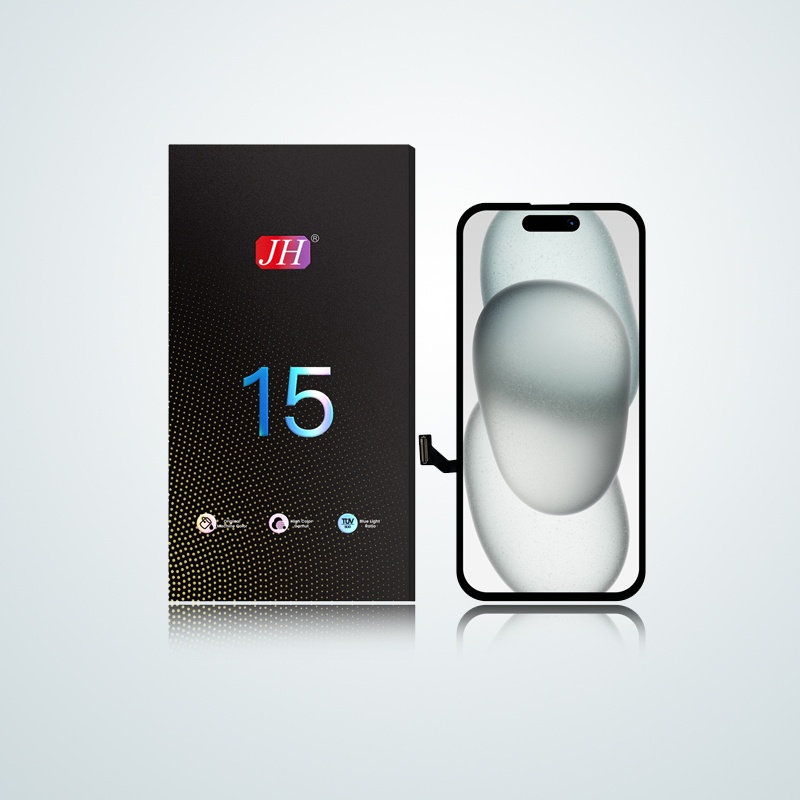
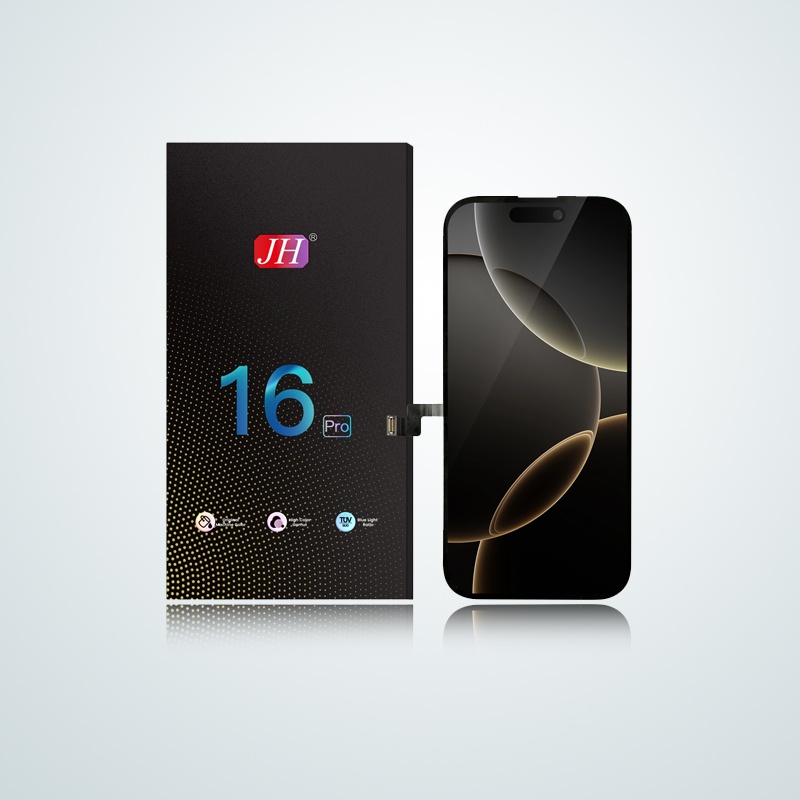
**iPhone 15 / 16 / 17 Series**: With the popularization of the Dynamic Island, screen assembly and sealing processes have become more complex. Currently, replacement screens for the **iPhone 15 Pro Max** and **iPhone 16 Pro Max** generally emphasize "high saturation" and a "1-year warranty." For the latest **iPhone 16e** and the yet-to-be-released **iPhone 17** series (including 17 Pro, 17 Pro Max), the supply chain has already started preparing "soft OLED" solutions, with wholesale options for 90Hz-120Hz high refresh rates appearing.
4. Honest Advice for Repair Shops and End Users
1. **Regarding Warranty**: Reliable suppliers typically offer a **6-month to 1-year warranty**. Some distributors, like those in the UK, even offer 24-month warranties on specific models, covering issues like cable breakage. If you're replacing the screen yourself, be sure to clarify the after-sales terms.
2. **Regarding Feature Preservation**: After replacing the screen, **True Tone** functionality might require writing data using a professional programmer to restore it. As long as installation is done correctly, Face ID and touch functionality are generally perfectly preserved with compatible screens.
3. **Regarding Sourcing**: Currently, the world's largest hub for FHD iPhone screens is Shenzhen, China. Factories around areas like Huaqiangbei, including brands like **JK, JCE, iPartsOrigin, and STAROZON**, supply repair shops globally. Whether it's a wholesaler in Azerbaijan or a repair shop in France, much of the stock originates from here.
4. **Price Trends**: With the rise of manufacturers like BOE and the increased production capacity of domestic flexible OLEDs, the prices for iPhone replacement screens are becoming increasingly transparent. For instance, the once-expensive iPhone X OLED screens, costing over a thousand, now have entry-level FHD hard OLED options that are very affordable.
Conclusion
Replacing an iPhone screen is essentially about finding the balance between "original experience" and "repair cost." Understanding the secrets behind the screen suppliers and the technical classifications (Is it Incell LCD? Hard OLED or Soft OLED?) can help you spend less money and get a satisfactory **FHD iPhone display**. I hope this complete guide, covering from the iPhone X to the 17, gives you more confidence the next time you step into a repair shop.