

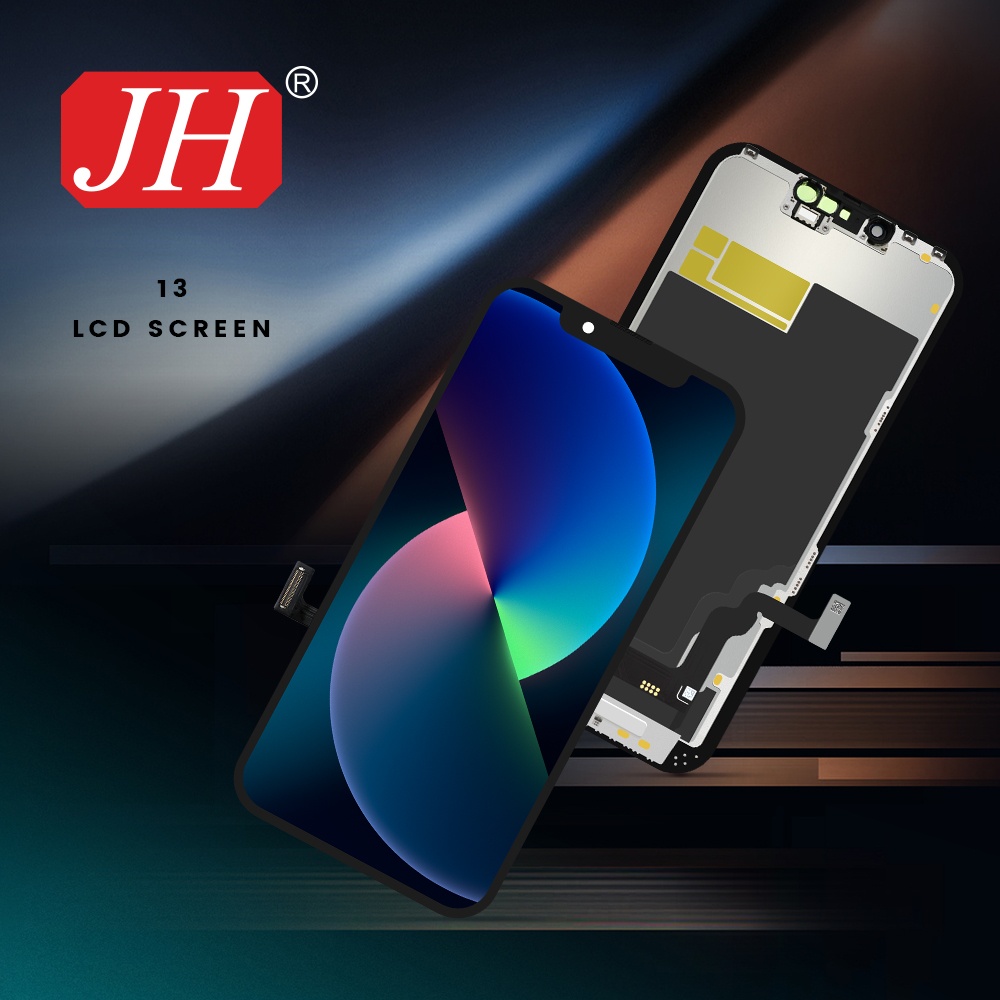
It is 2026, five years since the launch of the iPhone 13 series. Around the world, tens of millions of users still rely on this device featuring a 6.1‑inch Super Retina XDR display as their primary phone. However, this screen, reinforced with Ceramic Shield, while delivering an outstanding visual experience, has also become a “digital divide” between consumers and corporations — official repair prices are nearly 800 yuan, while third‑party markets are flooded with counterfeit parts and rampant fraud. How has a small iPhone 13 screen become the focal point of intense competition among technology, commerce, and people’s livelihoods?
1. A Screen “Too Expensive to Repair” and Users “Too Stretched to Replace”
Data shows that the total cost of replacing an iPhone 13 screen through official Apple channels is as high as 798 yuan (699 yuan for the screen replacement plus 99 yuan for the service fee). If you purchase an AppleCare+ plan, the screen service fee drops to 188 yuan, but the plan itself requires a one‑time payment of 1,199 yuan or a monthly payment of 50 yuan. For the millions of salaried workers and students who use the iPhone 13, nearly 800 yuan in repair costs is roughly equivalent to half a month’s rent or a family’s monthly grocery bill.
In a consumer environment where new phone prices continue to rise and replacement cycles have extended beyond 33 months, the question “the screen is broken — to repair or not?” has become a matter of living dignity. The vast majority of users are not “unable to afford a new phone”; rather, after weighing their options, they choose the more cost‑effective solution of repair — a rational judgment that supports a huge repair market of over 230 million transactions per year in China, and turns the iPhone 13 screen into a “golden rice bowl” for countless repair professionals. However, Apple’s high pricing pushes many price‑sensitive consumers into third‑party repair markets plagued by severe information asymmetry.
2. Why Is Repairing a Screen Full of Pitfalls?
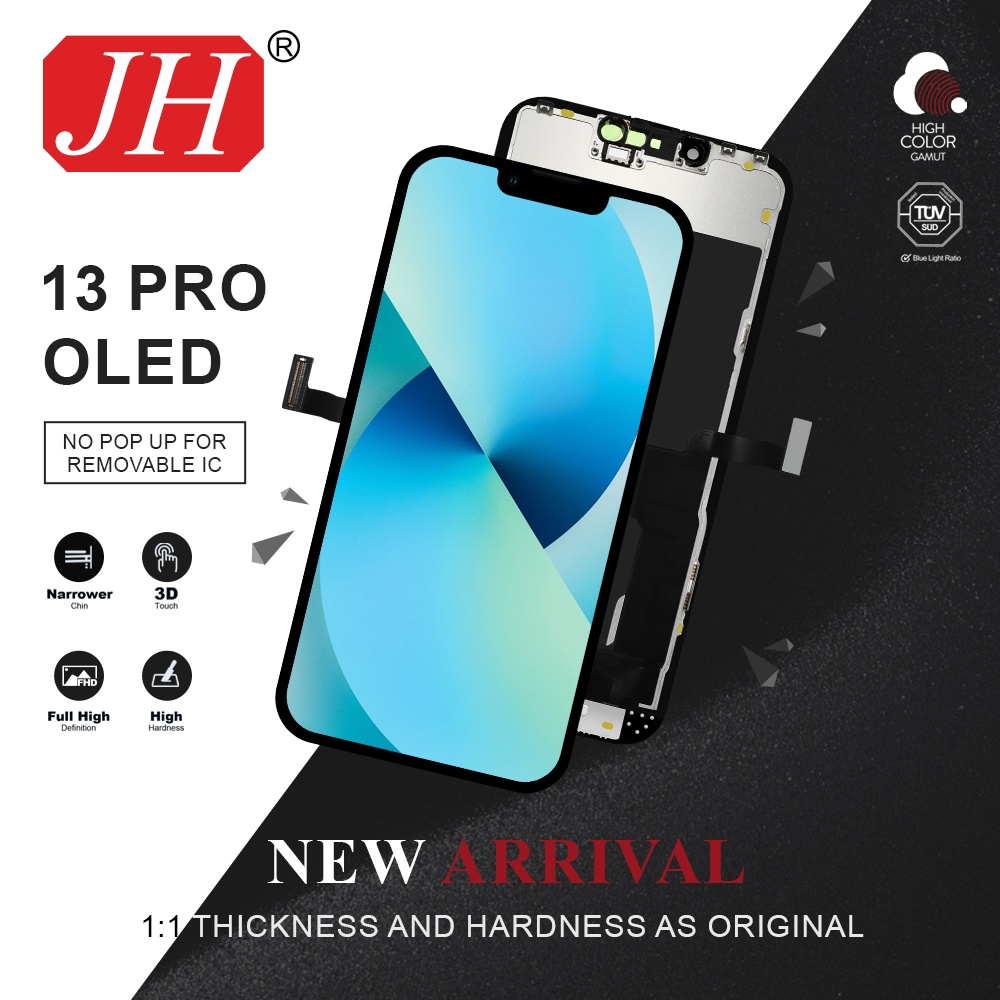
Once a user turns to a third‑party repair channel, a complex game of trust and fraud begins. Mr. Wang from Zhejiang had used his iPhone 13 for four years. Because of a faulty button, he went to a repair shop called “Weixiu Lao.” He first spent 100 yuan on a flex cable replacement, which didn’t fix the problem, then another 600 yuan on a so‑called “genuine screen,” only to find his phone now recognized it as an “Unknown Part.” Similar experiences are not isolated. In Hangzhou, college student Xiao Pan cracked the screen of his iPhone 13 Pro. After spending 500 yuan on a replacement at a digital shop, the screen developed two vertical lines in just 20 days and became completely unusable. The merchant refused warranty service, claiming “man‑made pressure,” and quoted 950 yuan to replace it with an original screen.
Even more alarming, some fraudsters lure consumers with “low‑cost repairs,” then raise the price after receiving the phone by mail, or even confiscate the customer’s original screen. On major complaint platforms, on‑site repair services like “Shanxiuxia” have also been flooded with complaints — screens failed less than a month after replacement, with no follow‑up service. Other users reported that during repairs, their original inner screen was secretly replaced with a domestic screen, causing severe touch unresponsiveness. There are also cases where consumers took their iPhone 13 to seemingly legitimate “Apple service points,” only to be subjected to layer‑by‑layer price hikes under the pretext of “water damage,” eventually spending over a thousand yuan, only to later discover the shop was a counterfeit.
The lack of transparency and the vast quality differences in parts have turned the small iPhone 13 screen into a sensitive probe testing our social trust system. What users experience in the after‑sales chain is not just financial loss, but a steady erosion of their sense of security in the consumer environment.

3. The Awakening of “Right to Repair”: An Equity Revolution Behind the Screen
Notably, a global Right‑to‑Repair movement is changing this situation. In 2024, the European Union adopted a Right‑to‑Repair directive, requiring manufacturers to provide consumers and independent repair shops with the tools, parts, manuals, and software needed for repairs; the directive must be transposed into national law by July 2026. In the United States, as of January 2026, more than a quarter of states have passed Right‑to‑Repair laws, and by autumn more states will join, covering more than 35% of the U.S. population.
Apple, long seen as the biggest opponent of the Right to Repair, has begun to make substantial concessions under pressure. In 2022, Apple launched its Self Service Repair program, allowing users to purchase screens, batteries, and other core parts from official channels and access detailed repair manuals. In 2024, Apple further relaxed its parts serialization policy, supporting consumers and independent repair shops in using used genuine parts for repairs. By 2026, Apple has further expanded the scope of self‑service repair to cover more new components. These moves mark a shift in the mobile repair industry from corporate monopoly to user empowerment, from closed to transparent.
4. Repair as Environmental Protection: The Green Mission of a Screen
Repair is not just an economic calculation; it also carries a heavy environmental responsibility. A study published in the Journal of Circular Economy found that if the lifespan of electronic devices is extended by 50‑100%, it could reduce e‑waste by 25 to 38 million tons per year and avoid 1.34 to 2.03 billion tons of CO₂ emissions — equivalent to the annual emissions of 300 to 500 large coal‑fired power plants. Of the more than 57 million tons of e‑waste generated globally each year, a large number of phones that could “last another two or three years” with a simple screen repair are carelessly discarded, wasting resources and polluting the environment.
When a consumer chooses to replace a compliant iPhone 13 screen rather than discard the whole device, they are actively participating in the circular economy of electronic products. Repair over replacement is becoming one of the most profound green consumption concepts of the digital age.
5. Seeking Balance: Transparent Consumption and a Fair Future
The iPhone 13 screen reflects an extremely complex cross‑section of our times — it is a symbol of cutting‑edge technology, a key node in corporate profit chains, the baseline of ordinary consumers’ living dignity, a small entry point for environmental protection, and a catalyst for social and institutional change.
For consumers, rational selection of repair channels and stronger awareness of rights protection are necessary self‑defense measures. For regulators, strengthening industry standards and cracking down on fraud are urgent priorities. For tech giants like Apple, balancing commercial interests with user rights, further lowering repair barriers, and promoting transparency in repair information is both a manifestation of social responsibility and an essential path to sustainable development.
Furthermore, in 2026 Apple began implementing a new “battery replacement without whole‑unit swap” policy in China, marking a substantial shift from the longstanding practice of full‑unit replacement. As Right‑to‑Repair laws advance globally and industry transparency improves, the cost of repairing an iPhone 13 screen is expected to become more affordable, the repair process will no longer be a “blind box,” and the repair market will no longer be a gray zone full of traps.
When we look again at this fragile piece of glass in our hands, perhaps we see not just a screen, but a bridge connecting technology, commerce, people’s livelihoods, and environmental protection. Repairing it is not only about giving a phone a new lease on life; it is also about contributing a small but important part to creating a fairer, more transparent, and more sustainable consumer world — together.