iPhone 16 Plus Screen History: Continuation and Advancement of the Big‑Screen Experience
On September 10, 2024, Apple officially unveiled the iPhone 16 Plus at its autumn keynote. As the latest representative of the large‑screen standard model in the iPhone lineup, the iPhone 16 Plus continues the 6.7‑inch ultra‑large screen form factor, achieving comprehensive advancements and refinements in display quality, durability, and interaction. This article will comprehensively review the historical significance of the iPhone 16 Plus screen from multiple perspectives: specifications, display technology, design innovations, and industry impact.
I. Core Specifications: An XDR Display Matching the Pro Max in Size
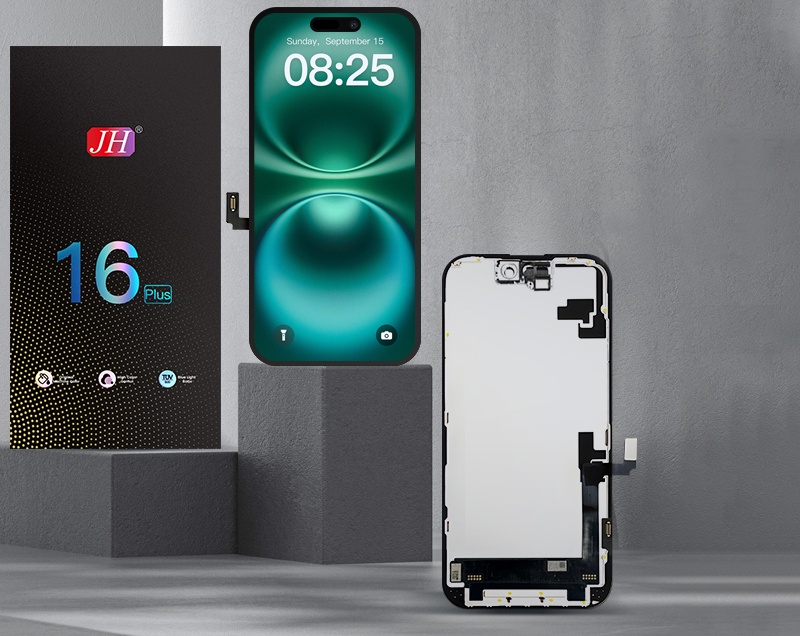
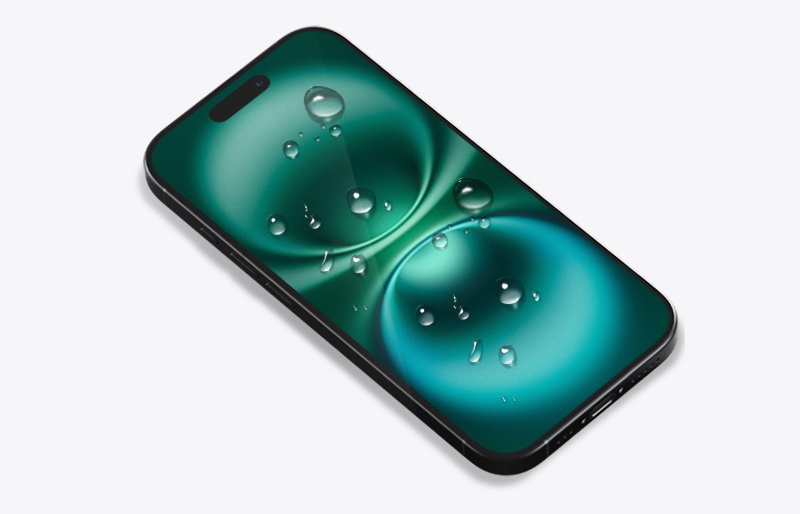
The iPhone 16 Plus features a 6.7‑inch (diagonal) Super Retina XDR display based on OLED full‑screen technology. When measured as a standard rectangle, the diagonal is 6.69 inches, with the actual viewable area being slightly smaller. The resolution is 2796 × 1290 pixels, with a pixel density of 460 ppi – identical to the screen resolution of the iPhone 16 Pro Max. This means that at the same screen size, the Plus model delivers the same Super Retina level of sharpness as the flagship.
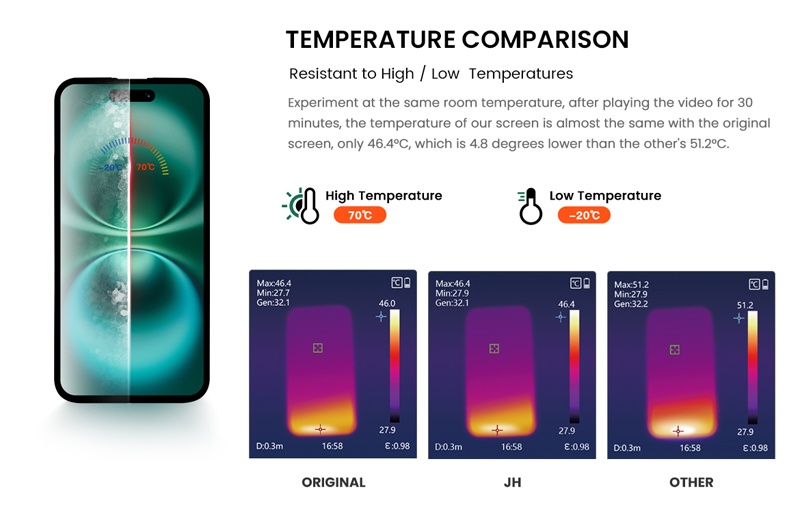
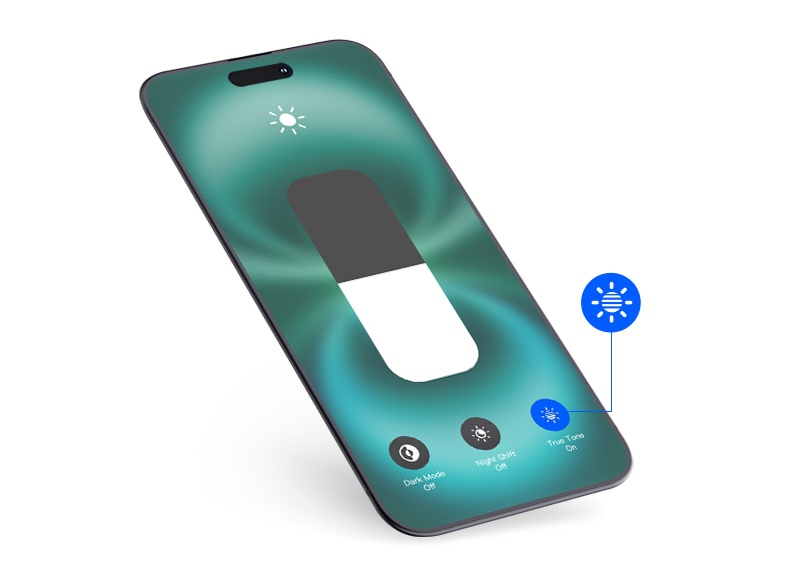
The display supports HDR, True Tone, and the P3 wide colour gamut, with a contrast ratio of 2,000,000:1. The screen surface features an oleophobic anti‑fingerprint coating and is protected on the front by a next‑generation Ceramic Shield – Apple claims its drop performance has improved by 50% compared to the previous generation. The body uses an aerospace‑grade aluminium frame with a colour‑infused glass back, available in five colours: black, white, pink, teal, and ultramarine.
In terms of screen size, the iPhone 16 Plus is in the same 6.7‑inch class as the iPhone 16 Pro Max. The active display area is approximately 20% larger than the 6.1‑inch screen of the iPhone 16. Whether browsing social media, watching videos, or reading documents, the expansive visual experience of the large screen is something smaller models cannot match.
II. Brightness System: A Three‑Tier Leap from 1000 to 2000 Nits
The iPhone 16 Plus inherits the top‑tier brightness standards established since the iPhone 15 Pro series, establishing a three‑tier brightness system consistent with the Pro models:
1000 nits maximum typical brightness: This is the baseline most frequently used indoors for everyday activities, covering web browsing, social apps, text reading, and the vast majority of scenarios. GSMArena’s real‑world measurements show manual mode brightness reaching 891 nits, an increase of about 70 nits over the iPhone 15 Plus’s 820 nits.
1600 nits peak brightness (HDR) : Sustainably output when playing HDR content, this level works with the 2,000,000:1 ultra‑high contrast ratio and P3 wide colour gamut to ensure crisp highlight details and rich, natural shadow layers.
2000 nits outdoor peak brightness: In strong light conditions (e.g., direct sunlight at noon), the screen can instantaneously reach 2000 nits, significantly enhancing outdoor readability. GSMArena’s auto‑brightness measurements recorded 1823 nits on the iPhone 16 Plus, an improvement of about 180 nits over the iPhone 15 Plus’s 1642 nits.
Additionally, the iPhone 16 Plus can lower its brightness to as little as 1 nit, effectively reducing eye strain when viewing the screen in dark environments at night, enhancing comfort. From the 1000‑nit indoor baseline to the 2000‑nit outdoor peak, and down to the 1‑nit low‑light floor, the iPhone 16 Plus establishes a complete and finely tuned brightness management system.
III. Controversy and Trade‑offs: The Dilemma of a 60Hz Refresh Rate
The biggest point of contention for the iPhone 16 Plus screen remains its 60Hz refresh rate. In 2024, Android phones in the same price bracket have widely adopted 120Hz high‑refresh‑rate screens, yet Apple still reserves the ProMotion adaptive refresh rate technology (supporting up to 120Hz) exclusively for its Pro models.
Several major media outlets have expressed disappointment. Digital Trends noted in its review that the 6.7‑inch screen of this $900 phone only has a 60Hz refresh rate, calling it “possibly unforgivable” for spec enthusiasts. PCMag also explicitly pointed out in its review that the “60Hz display” is one of the phone’s main shortcomings. Some reviewers remarked that the Dynamic Island experience is hampered by the 60Hz screen, with animations feeling sluggish.
However, the 60Hz trade‑off also brings a key advantage – lower power consumption. The lower refresh rate means reduced screen driving power, which is one of the key reasons behind the iPhone 16 Plus’s excellent battery life. PCMag’s battery test recorded 21 hours and 51 minutes of runtime – outstanding for a large‑screen phone. Apple officially claims up to 27 hours of video playback, making it one of the longest‑lasting models in the iPhone 16 series. For users upgrading from older 60Hz iPhones, this difference does not create any noticeable discomfort.
IV. Lightweight Big Screen: A Balance Between Feel and Portability
Despite its 6.7‑inch large screen, the iPhone 16 Plus weighs only 199 grams. In comparison, the same‑sized iPhone 16 Pro Max is significantly heavier – a difference of several tens of grams. This weight advantage gives the iPhone 16 Plus a distinctly better hand feel than the Pro Max.
The iPhone 16 Plus measures 160.9 × 77.8 × 7.8 mm, with the same footprint as the iPhone 15 Plus, but 2 grams lighter. The 6.7‑inch large screen paired with a mere 199‑gram body weight, with balanced weight distribution, makes it comfortable to hold with one hand. For users who simply want a large‑screen iPhone without needing Pro‑level camera and performance capabilities, this is an extremely attractive combination.
In terms of colours, the iPhone 16 Plus is more vibrant than its predecessor, offering options such as ultramarine, teal, pink, and black. The pink version has a richer tone, resembling Barbie pink, contrasting sharply with the light cherry blossom pink of the iPhone 15 Plus.
V. Interaction Innovations: Action Button and Camera Control
The iPhone 16 Plus introduces two important upgrades in interaction beyond the screen, further enhancing the convenience of screen usage.
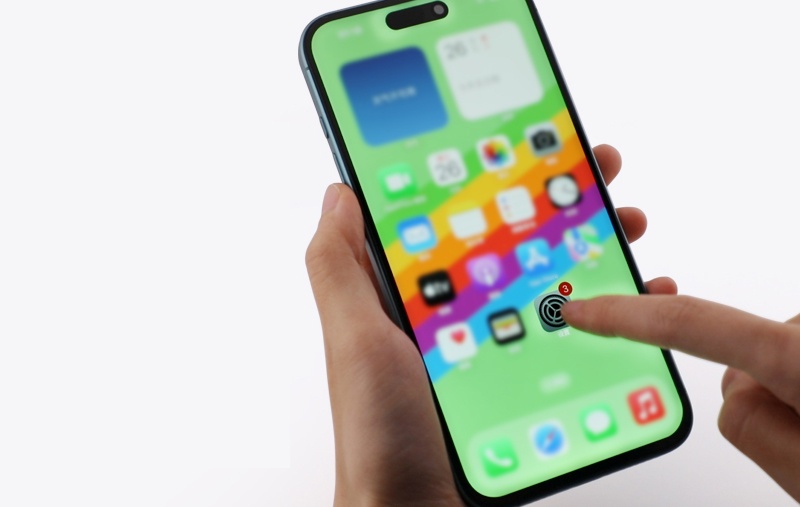
First is the Action Button. This feature, previously exclusive to the Pro series, has now been brought to the iPhone 16 Plus. Users can customise the Action Button’s function in Settings – silent mode, flashlight, camera, shortcut, translation, etc. – triggering frequently used functions with a single press.
Second is the Camera Control. This is a signature new hardware addition to the iPhone 16 series, located on the right side of the device. Users can quickly control camera parameters such as exposure, zoom, and style through different press forces and swipe gestures. This button makes photography operations more intuitive and efficient, further leveraging the advantages of the 6.7‑inch large screen for framing and composition.
VI. Historical Position: Deepening and Rethinking the Big‑Screen Popularisation Strategy
The iPhone 16 Plus occupies a pivotal role in the evolution of iPhone screens, bridging the past and the future.
From a legacy perspective, it continues the 6.7‑inch large‑screen product line that began with the iPhone 14 Plus, inheriting the Super Retina XDR display specifications of the iPhone 15 Plus – 2796 × 1290 resolution, 460 ppi, and a 2,000,000:1 contrast ratio. The introduction of the next‑generation Ceramic Shield elevates screen durability to new heights. The addition of the Action Button and Camera Control further enhances the interaction efficiency of this large screen.
However, from a market performance standpoint, the iPhone 16 Plus still faces challenges similar to those of the iPhone 14 Plus. According to market data, Plus models account for only about 11% of iPhone 16 series sales. Analysts point out that the core issue lies in its ambiguous product positioning – it is larger than the standard model but costs 1,000 RMB more, yet lacks the ProMotion high refresh rate and AOD (Always‑On Display) features that are key screen selling points of the Pro series.
But looking at it from another angle, the iPhone 16 Plus’s screen itself has no shortcomings – its Super Retina XDR display maintains Apple’s consistently high standards in core parameters such as brightness, colour, and contrast ratio. With its 6.7‑inch premium OLED screen, it sends a clear signal to the market: the barrier to a big‑screen experience is continuously being lowered. From the initial trial of the iPhone 14 Plus, to the gradual refinement of the iPhone 15 Plus, to the comprehensive advancement in brightness, durability, and interaction on the iPhone 16 Plus, Apple’s “democratisation of the large screen” strategy is steadily progressing.
Conclusion
From a specifications standpoint, the iPhone 16 Plus’s 6.7‑inch size, 460 ppi, and 2000‑nit peak brightness remain top‑tier in today’s market. Although the 60Hz refresh rate still draws a clear line between it and the Pro series, the screen’s comprehensive advancements in display quality, brightness performance, and durability are more than sufficient to meet the daily needs of the vast majority of users who want a large‑screen iPhone. It is both a steadfast practitioner of the large‑screen popularisation path and a faithful executor of Apple’s product tiering strategy. With one screen connecting the three‑year evolutionary trajectory of the Plus series, the iPhone 16 Plus proves one thing: a large screen should not be the exclusive privilege of Pro users, but a choice available to every iPhone user.