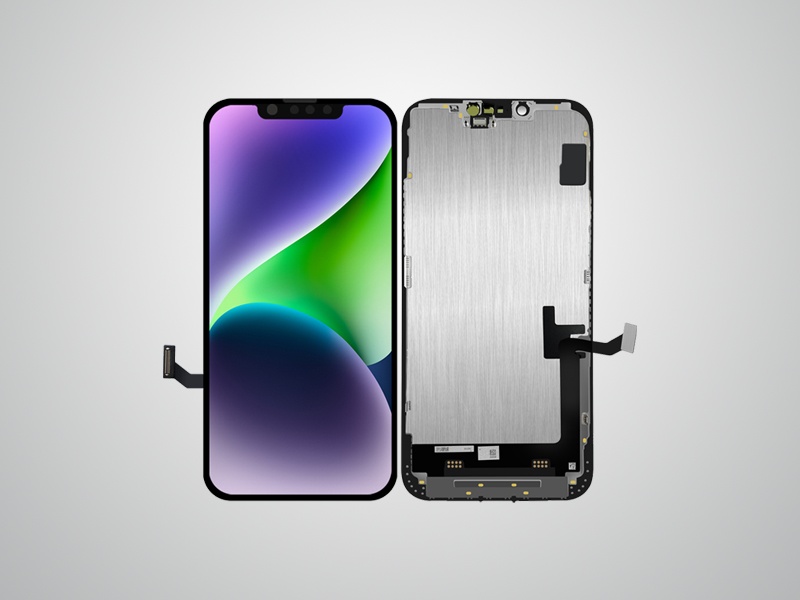
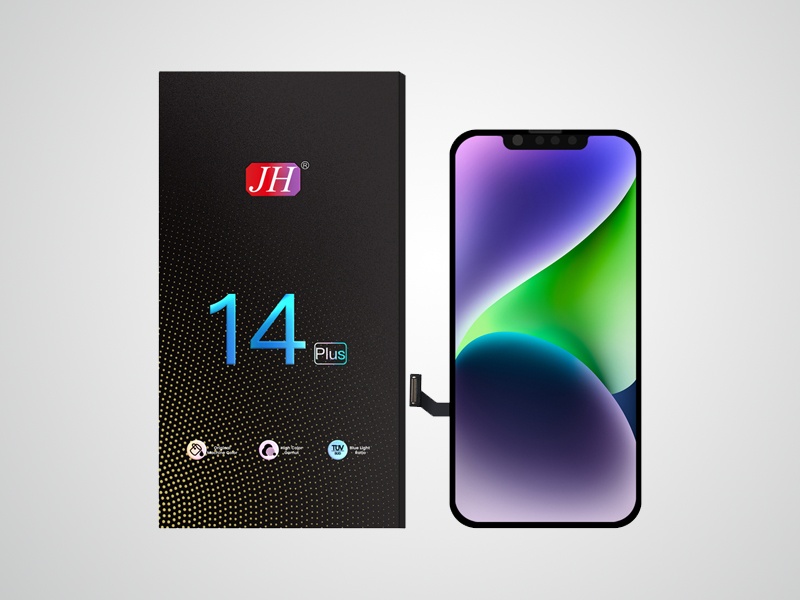
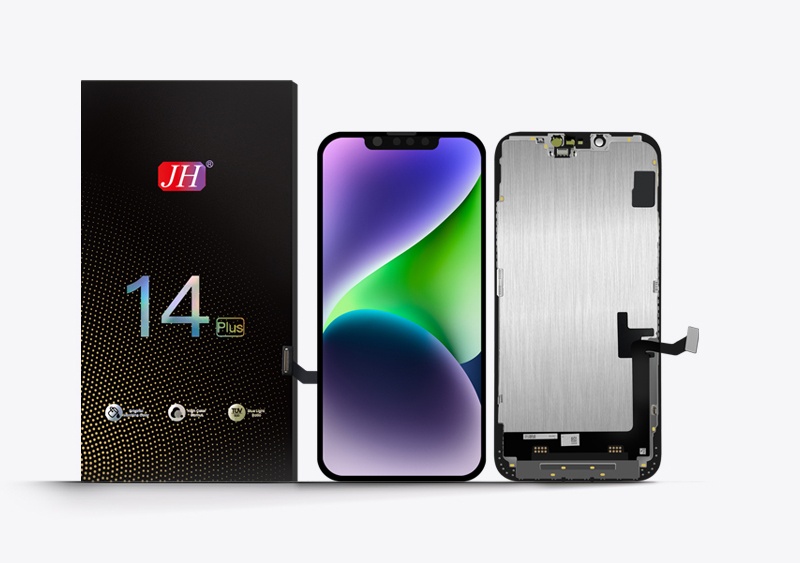
iPhone 14 Plus Screen History: The Affordable Choice for Big‑Screen Experience
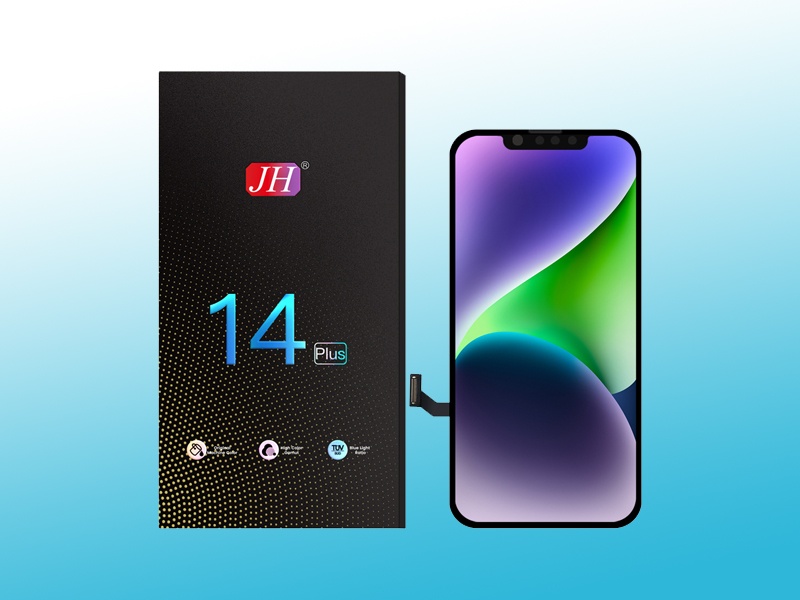
On September 8, 2022, Apple officially unveiled the iPhone 14 Plus at its autumn keynote. This marked the return of the “Plus” naming after a five‑year hiatus – the last time being the iPhone 8 Plus in 2017. After discontinuing the underperforming mini model, the iPhone 14 Plus filled the gap between the standard model and the Pro Max with its massive 6.7‑inch display, becoming the first iPhone to bring a Pro‑Max‑sized screen experience to a non‑Pro price point. This article will comprehensively review the historical significance of the iPhone 14 Plus screen from multiple perspectives: specifications, display technology, real‑world experience, and industry impact.
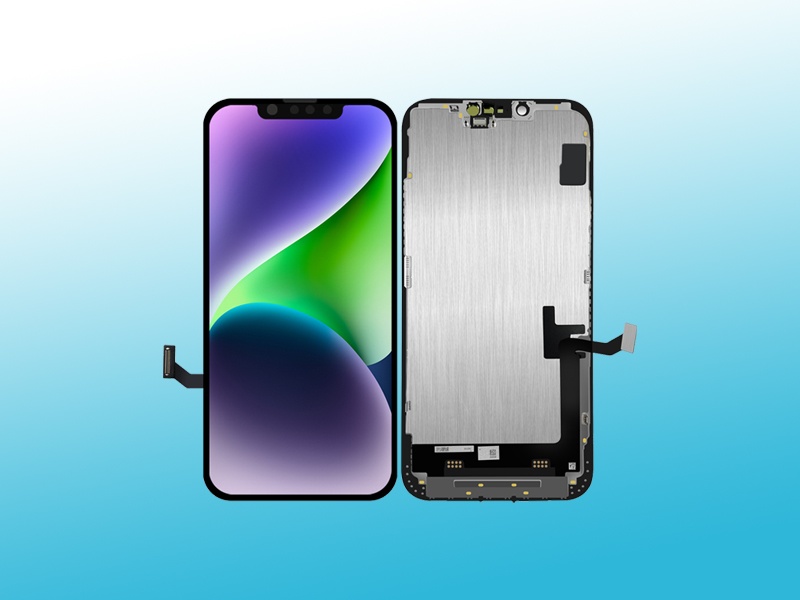
I. Core Specifications: An XDR Display Matching the Pro Max in Size
The iPhone 14 Plus features a 6.7‑inch (diagonal) Super Retina XDR display based on OLED technology. When measured as a standard rectangle, the diagonal is 6.68 inches, with the actual viewable area being slightly smaller. The resolution is 2778 × 1284 pixels, with a pixel density of 458 ppi – identical to the 6.7‑inch screen on the iPhone 14 Pro Max. This means that at the same screen size, the Plus model delivers the same Super Retina level of sharpness as the flagship.
The display supports HDR, True Tone, and the P3 wide colour gamut, with a contrast ratio of 2,000,000:1. The screen surface features an oleophobic anti‑fingerprint coating and is protected by Ceramic Shield on the front. The body uses an aerospace‑grade aluminium frame and comes in six colours: midnight, purple, starlight, red, blue, and yellow.
In terms of screen size, the iPhone 14 Plus is identical to the iPhone 14 Pro Max at 6.7 inches. The active display area is 21% larger than that of the iPhone 14 – in everyday use, this means seeing more text when scrolling through social feeds, turning fewer pages when reading e‑books, and enjoying a more comfortable reading experience.
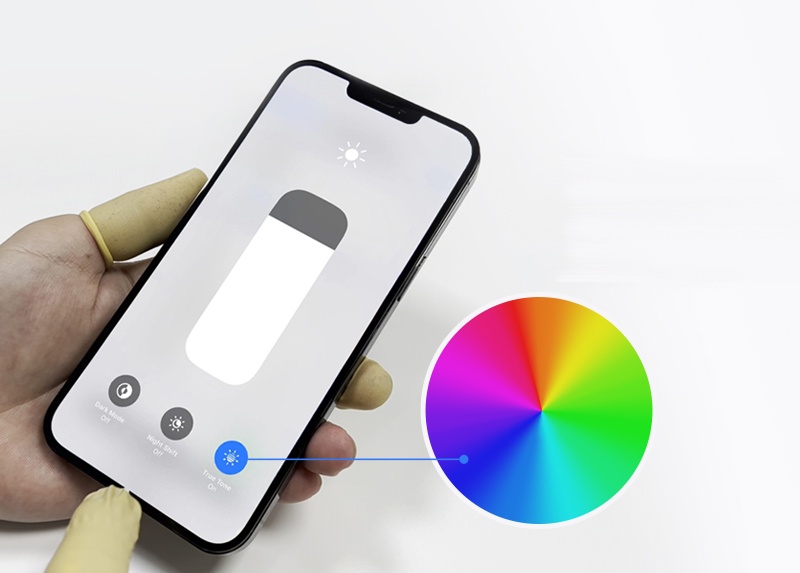
II. Brightness and Colour: Visual Performance Rivaling the Flagship
The brightness system of the iPhone 14 Plus consists of two levels: 800 nits maximum typical brightness (for indoor daily use) and 1200 nits peak brightness (for HDR content). GSMArena’s real‑world tests measured a maximum brightness of 797 nits, roughly on par with the iPhone 14 and close to the level of the iPhone 14 Pro Max.
While the 1200‑nit HDR peak brightness does not reach the 1600 nits (Pro models) or 2000 nits (outdoor peak) of the iPhone 14 Pro Max, it is more than sufficient for the vast majority of real‑world scenarios. Whether watching videos indoors or checking maps and navigation outdoors, this screen delivers a clear and bright visual experience. PCMag praised it in its review as “extremely sharp and bright, with excellent colour and tone.”
In colour performance, the iPhone 14 Plus upholds Apple’s consistently high standards. The 2,000,000:1 contrast ratio delivers purer, deeper blacks, while the P3 wide colour gamut and True Tone technology ensure accurate and natural colour reproduction under different ambient lighting conditions. DisplayMate test data shows a screen accuracy level of 1.2.
III. Controversy and Trade‑offs: The Pros and Cons of a 60Hz Refresh Rate
The biggest point of contention for the iPhone 14 Plus screen is its 60Hz refresh rate. In 2022, Android phones in the same price bracket had largely adopted 120Hz high‑refresh‑rate screens, yet Apple still reserved the ProMotion adaptive refresh rate technology (supporting up to 120Hz) exclusively for its Pro models.
Several major media outlets expressed regret over this decision. CNET noted in its review that while the screen’s brightness and colour were good and impressive, the lack of a higher refresh rate was disappointing for a phone at this price point. The Verge similarly remarked, “No ProMotion for super‑smooth scrolling at 120Hz – that’s a shame.”
However, the 60Hz trade‑off also brought a key advantage – lower power consumption. The Verge specifically pointed out that the lower refresh rate consumes less power, which is very likely one of the key reasons behind the iPhone 14 Plus’s excellent battery life. Apple officially claims up to 26 hours of video playback, and multiple media reviews have confirmed its “multi‑day battery” capability. For users upgrading from older 60Hz iPhones, this difference does not create any noticeable discomfort.
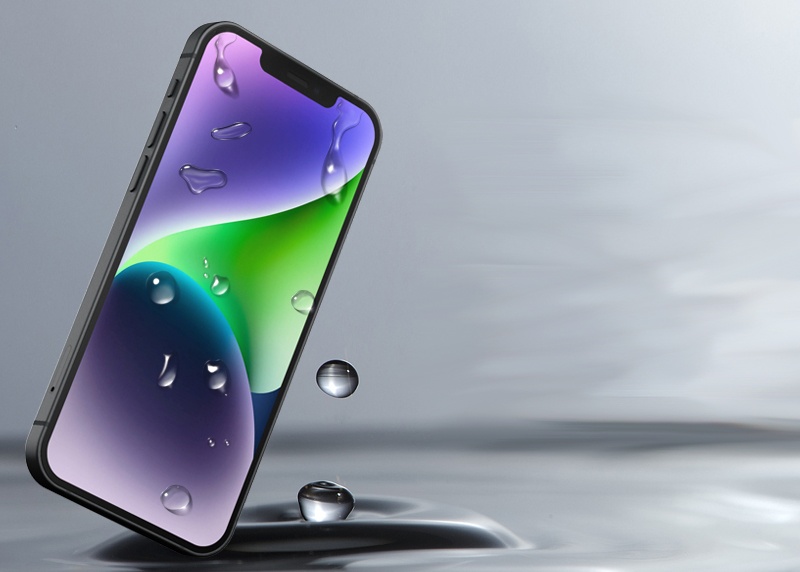
IV. Lightweight Big Screen: A Balance Between Feel and Portability
Despite its 6.7‑inch large screen, the iPhone 14 Plus weighs only 203 grams. In comparison, the same‑sized iPhone 14 Pro Max weighs 240 grams – a difference of 37 grams, roughly the weight of an extra egg. This weight advantage gives the iPhone 14 Plus a significantly better hand feel than the Pro Max.
Some reviewers have described it as “a breath of fresh air among recent iPhone generations.” The combination of a 6.7‑inch large screen and a mere 203‑gram body weight makes it feel “light” in hand, completely unlike the heaviness of other big‑screen iPhones. The weight distribution is well‑balanced, without the “top‑heavy” feel of the Pro Max. For users who simply want a large‑screen iPhone without needing Pro‑level camera and performance capabilities, this is an extremely attractive combination.
V. Market Response: The Gains and Losses of a Large‑Screen, Affordable Strategy
The iPhone 14 Plus was born out of Apple’s re‑evaluation of its product line – after discontinuing the mini model, there was a need for a large‑screen device to fill the gap between the standard model and the Pro Max. Its target audience was clear: consumers who wanted a big‑screen experience but did not need Pro‑level features and were unwilling to pay the Pro price tag.
However, the market response fell short of expectations. According to a report by analyst Ross Young, shipments of iPhone 14 Plus display panels dropped to zero in January 2023, as Apple believed existing inventory was sufficient to meet demand. Supply chain reports subsequently indicated that Apple had cut orders by about 40%. Some analysts pointed out that the iPhone 14 Plus’s “only differentiator is a larger screen” at 6.7 inches, yet it cost 1,000 RMB more than the standard model – for many consumers, this price premium bought only a screen size increase, which had limited appeal.
But looking at it from another angle, the iPhone 14 Plus’s “underperformance” was not due to any deficiency in screen quality – its Super Retina XDR display maintained Apple’s usual high standards – but rather a misalignment of product positioning and pricing strategy. It provided valuable market experience for the subsequent planning of the iPhone 15 Plus and iPhone 16 Plus.
VI. Historical Position: A Pioneer in Democratising Large Screens
The iPhone 14 Plus occupies a unique position in the evolution of iPhone screens.
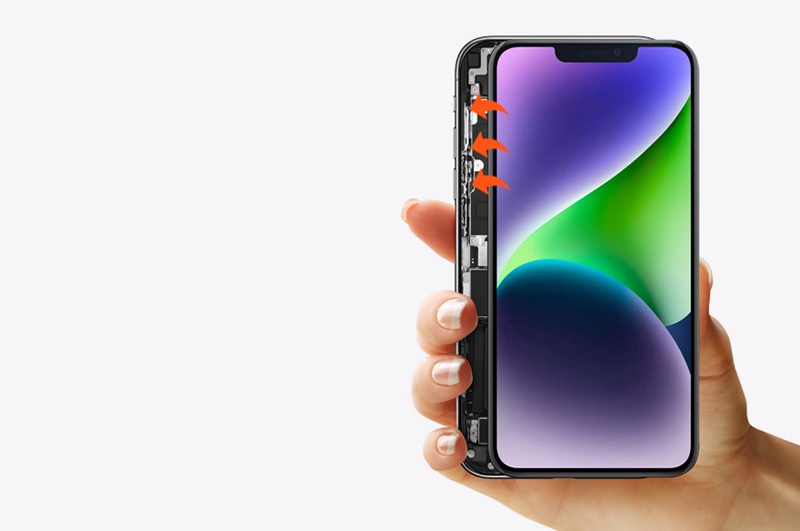
From a legacy perspective, it inherited the 6.7‑inch large‑screen display specifications that had been exclusive to the Pro Max since the iPhone 12 Pro Max – 2778 × 1284 resolution, 458 ppi, and a 2,000,000:1 contrast ratio – bringing these screen parameters to a non‑Pro model for the first time. The continued use of Ceramic Shield ensured that screen durability was not compromised by the lower positioning.
From an innovative perspective, it marked Apple’s first attempt at “democratising the large screen” – enabling users to own a 6.7‑inch premium OLED screen without spending over a thousand dollars. Although its market performance was less than stellar, it proved that there was an underserved demand tier for large‑screen iPhones, providing direction for the refinement of subsequent Plus models.
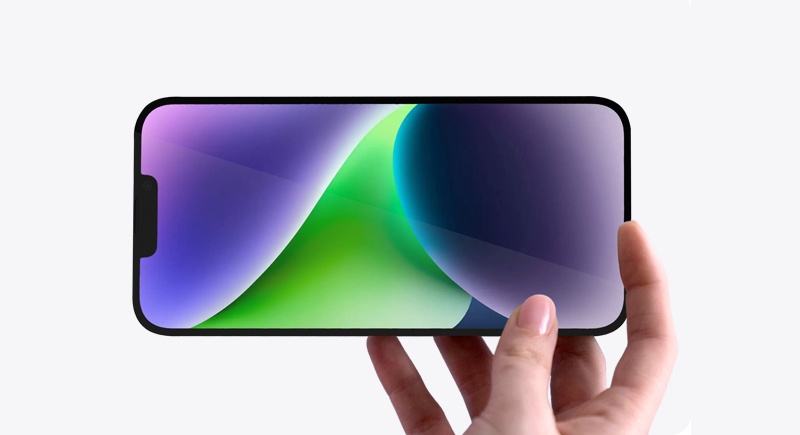
Looking at the specifications today, the iPhone 14 Plus’s 800‑nit typical brightness and 1200‑nit HDR peak brightness may no longer stand out. But with its 6.7‑inch Super Retina XDR display, it sent a clear signal to the market: large screens should not be the exclusive privilege of Pro users. This philosophy of “cascading flagship screen sizes downward” was carried forward and refined in the iPhone 15 Plus and iPhone 16 Plus. In this sense, even though the iPhone 14 Plus’s screen did not achieve blockbuster sales, it blazed a new trail for the popularisation of large screens across the iPhone lineup.