

For mobile phone repair shop owners, iPhone 14 screen replacement is one of the most in-demand services. However, many are troubled by installation risks, inconsistent screen quality and frequent rework issues. Choosing reliable screens, following standard installation procedures and securing stable supply will help you boost customer retention and maintain healthy profit margins. Combining real-world repair experience, this article shares practical tips you can apply right away.
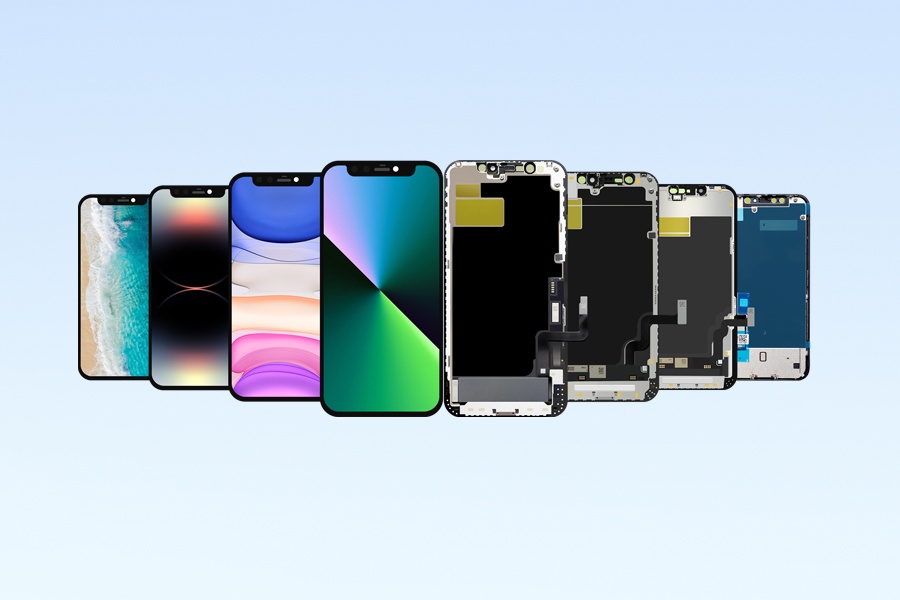
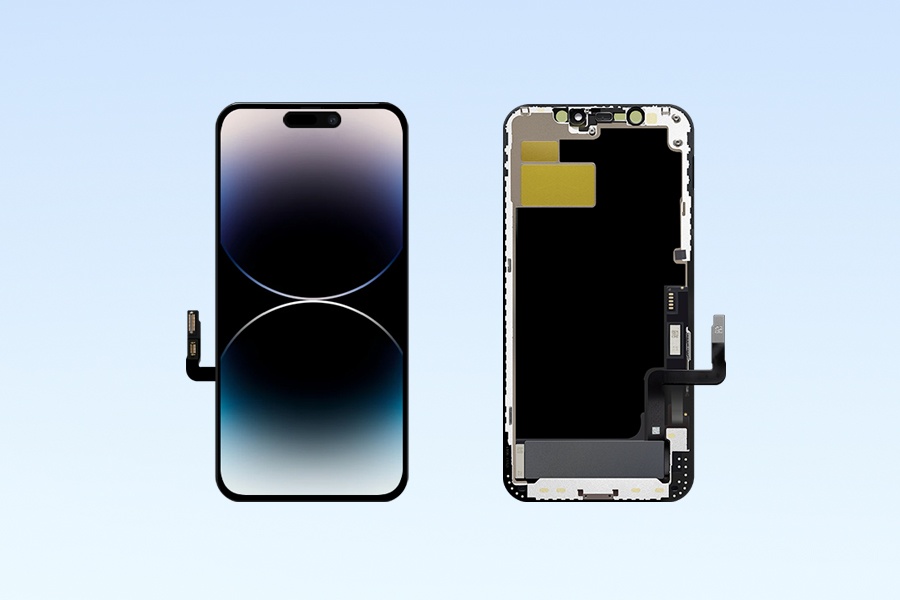
The iPhone 14 is equipped with a flexible OLED display. Its more compact structure demands higher precision for screen assemblies, flexible cables and touch IC performance. Low-quality screens usually suffer from severe color deviation, unresponsive touch, uneven brightness and disabled True Tone. Improper installation may also cause Face ID malfunctions, sensor failures and cracked screens, which will greatly damage your shop’s reputation and lose returning customers.
1. Core Criteria for Screen Selection
Opt for Flexible OLED, Stay Away from Cheap Hard Screens
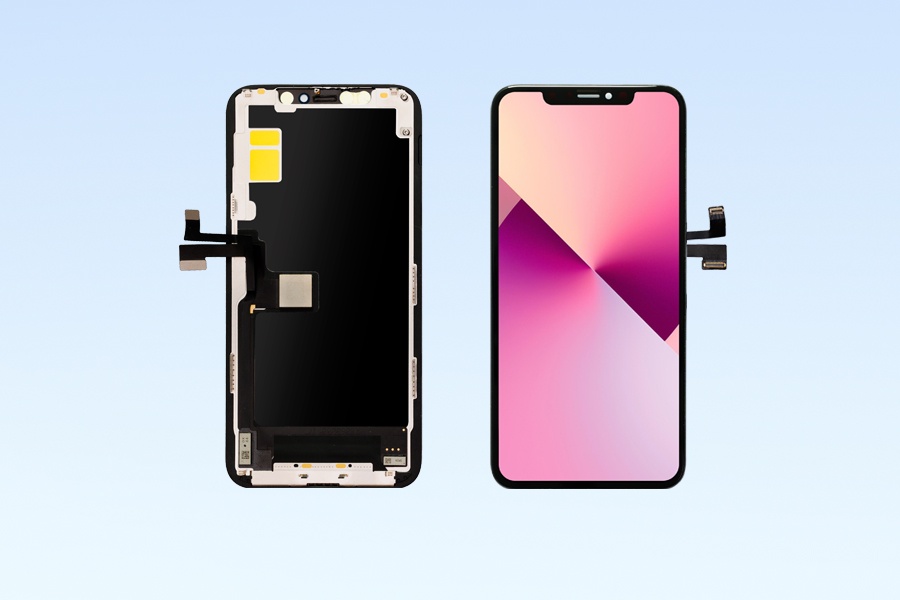
Though hard screens come at a lower cost, they are prone to touch failure, uneven backlight and damage from bending, leading to a high rework rate within a week after installation. For iPhone 14 repairs, flexible Soft OLED screens are the ideal choice. They deliver color performance, brightness and touch experience close to the original, fully support True Tone and ambient light sensors, and feature outstanding durability to maximize customer satisfaction.
Check Certifications to Reduce After-sales Risks
Prioritize screen assemblies certified with ISO9001, RoHS, FCC and CE. These products adopt eco-friendly materials and deliver stable electromagnetic compatibility, with no pop-up errors or system glitches after installation. Their long-term reliability effectively cuts down after-sales disputes.
Stable Supply & Low Minimum Order Quantity
Repair shops need fast inventory turnover and low capital pressure. Partner with factory direct suppliers that support small-batch orders and fast delivery. This prevents lost orders due to stock shortages and avoids overstocking.
2. Common Installation Pitfalls to Avoid
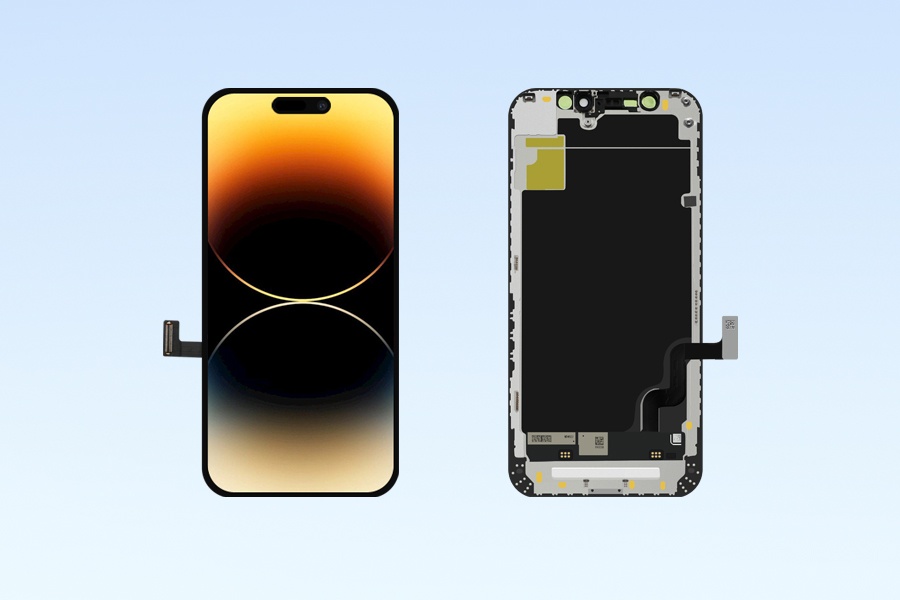
The disassembly methods differ between standard iPhone 14 and iPhone 14 Pro. The standard model requires back opening; using the traditional front-opening method will easily crack the inner screen. The Pro series still uses front opening, yet its shorter cables require extra care during plugging and unplugging.
Key installation tips: Test display and touch functions fully before applying adhesive. Secure cable connectors with moderate force to avoid damaging mainboard contacts. Apply adhesive tape evenly to prevent dust ingress and screen lifting. Standardized operations can bring the installation damage rate nearly down to zero.
3. Win-win Strategies for Profit & Reputation
Transparent Pricing:
Set three pricing tiers: economical INCELL screens, premium flexible OLED screens and high-end full-function screens. Clearly state the warranty terms to win customers’ trust.
Minimize Rework:
Complete full function tests on display, touch, True Tone and sensors before handover. One-time successful repair is the most cost-effective solution.
Build Long-term Partnerships
Stick with trustworthy factory suppliers. Bulk purchasing brings more favorable prices, steady quality and reliable after-sales service, helping you stand out from competitors.
The iPhone 14 still owns a huge user base, keeping screen repair demands strong. High-quality screens are vital to your shop’s reputation, and a solid supply chain is the key to steady profits. Premium screens, standard installation and reliable after-sales service will help you retain existing customers and gain new referrals.
As a professional manufacturer with 14 years of experience in researching and producing iPhone screens, we supply full-series flexible OLED screen assemblies for iPhone 14 and iPhone 14 Plus. All products hold multiple authoritative certifications. We offer factory direct sales, fast shipping and support bulk orders as well as OEM customization, helping repair shops cut costs, improve efficiency and build a solid reputation.