

The Many Faces of a Screen”: How the iPhone 11 Screen Became Our Ultimate Watchdog
When the iPhone 11 debuted in 2019 with its 6.1‑inch Liquid Retina HD LCD display, no one imagined that seven years later this screen would become the “ultimate watchdog” for millions of people around the world. Data shows that in markets such as China and Russia, the iPhone 11 remains the single most popular model in active use. Even more striking, 39% of original owners still choose to use it as their primary device. How does such a small iPhone 11 screen touch such a vast social nerve?
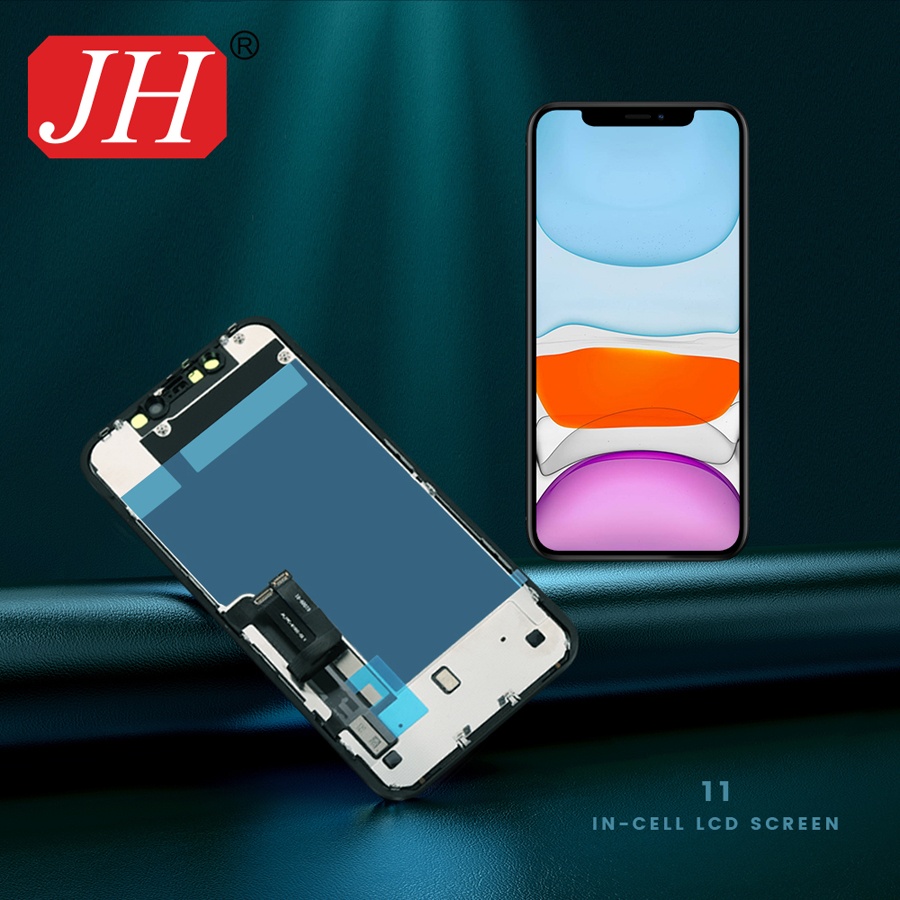
From “holdouts” to “gatekeepers,” the iPhone 11 screen bears witness to the most down‑to‑earth rationality of the digital age. With replacement cycles now stretched to 33 months, repairing a screen instead of buying a new phone has become a calculation of household dignity. After all, official repair prices are steep, while third‑party options offer LCD assemblies of varying quality. Bringing a “dead” phone back to life for just over 200 yuan is not only frugal; it is a collective act of resistance against runaway consumerism.
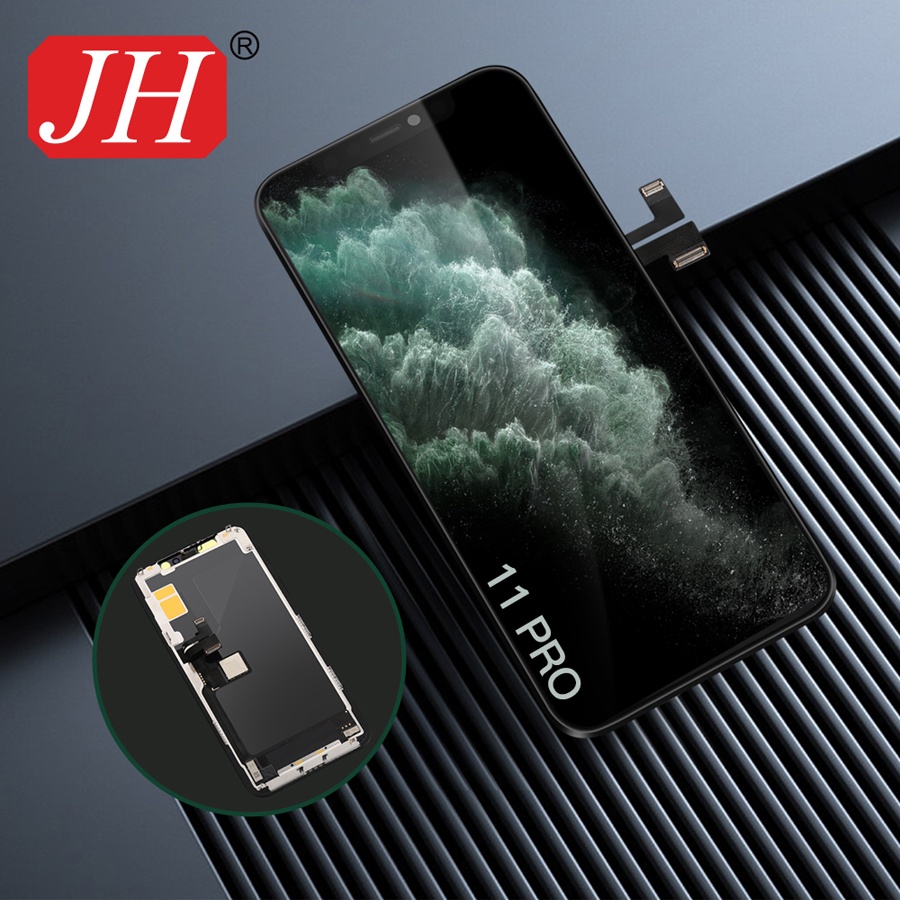
Yet the iPhone 11 screen is also a mirror that reveals the true face of fraud. In 2026 alone, countless reports have emerged of scams involving tampered screens on this model. Criminal rings have exploited the 14‑day no‑questions‑asked return policy to swap out genuine screens, using information black holes to flip them for huge profits. On second‑hand trading platforms, some consumers only discover severe screen aging after buying an iPhone 11 Pro. Worse still, unscrupulous merchants replace genuine screens with inferior domestic ones and, when the screen fails after just a few days, blame the user for “man‑made pressure” — playing a shameless word game. Amid this chaotic mix of truth and falsehood, the iPhone 11 screen has become a stress test of social integrity.

What is most commendable is the green, environmental responsibility this screen also carries. Choosing to replace it with compliant parts to give an iPhone 11 a new lease on life is far more consistent with sustainable development than discarding the phone and adding to e‑waste. As Apple quietly lists the 11 Pro series as “obsolete,” repair support for these models will be taken over by upstream parts suppliers.
Though the fragile iPhone 11 screen may crack, the social portrait it reflects is tough and resilient — that is, the steadfast commitment of hundreds of millions of ordinary people to value for money, honest consumption, and green circularity. In this rapidly changing era, repairing a screen is like adding the most solid load‑bearing wall under our digital lives.