iPhone 15 Pro Max Screen History: The Pinnacle of XDR Display Technology
In September 2023, Apple unveiled the iPhone 15 Pro Max at its autumn keynote. As the first flagship to feature the 3‑nanometer A17 Pro chip and a titanium metal body, its 6.7‑inch Super Retina XDR display reached unprecedented heights in core dimensions such as brightness, refresh rate, colour accuracy, and energy efficiency – making it a milestone in the evolutionary history of iPhone screens.
I. Core Specifications: Fully Evolved Display Parameters
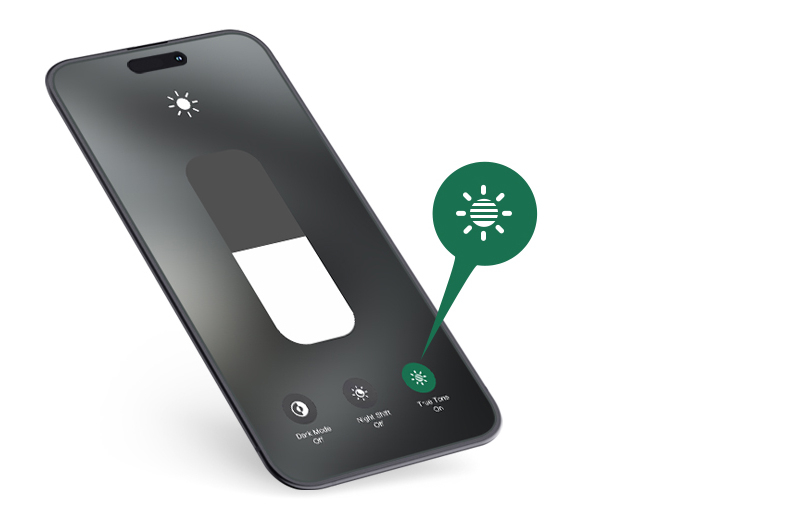
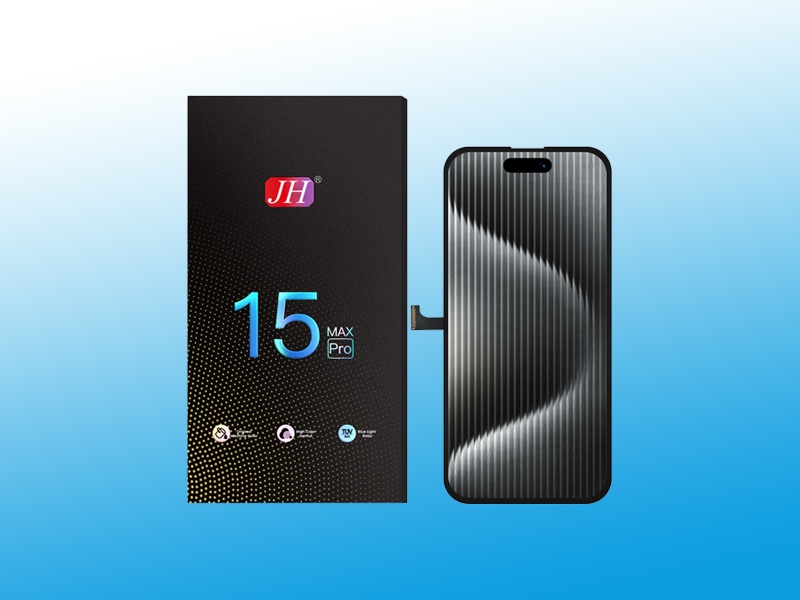
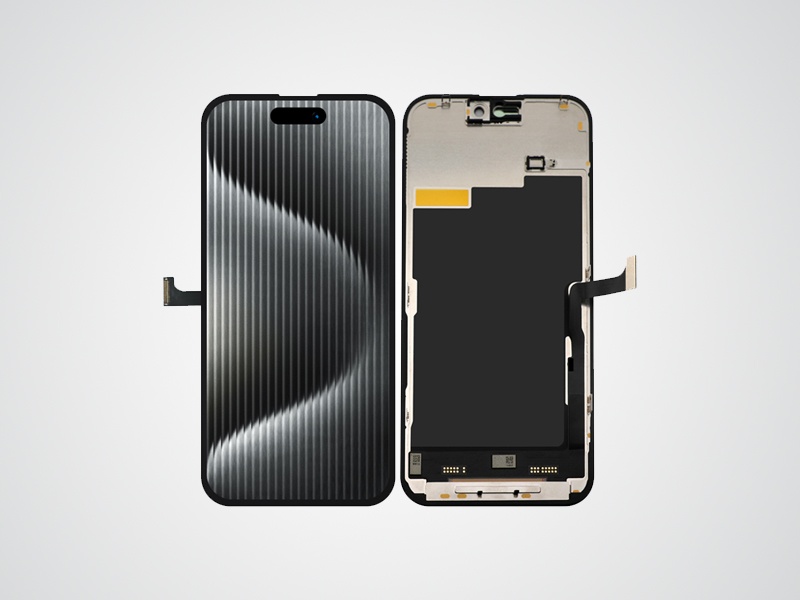
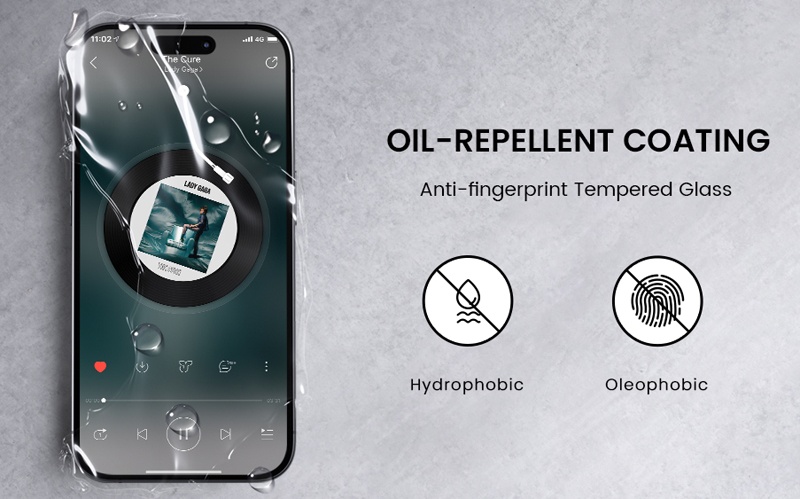
The iPhone 15 Pro Max features a 6.7‑inch (diagonal) OLED full screen with a resolution of 2796 × 1290 pixels and a pixel density of 460 ppi. When measured as a standard rectangle, the diagonal length is 6.69 inches, with the actual viewable area being slightly smaller. The display supports HDR, True Tone, and the P3 wide colour gamut, with a contrast ratio of 2,000,000:1. The screen surface has an oleophobic anti‑fingerprint coating and is covered with Ceramic Shield.
While maintaining the same size (6.7 inches), the iPhone 15 Pro Max achieved a higher screen‑to‑body ratio by narrowing the bezels. Combined with the weight reduction brought by the titanium frame – from 240 grams in the previous generation to 221 grams – the overall hand feel became lighter and more comfortable.
II. Brightness Revolution: A Three‑Tier Brightness System from 1000 to 2000 Nits
The iPhone 15 Pro Max delivered the biggest brightness leap in iPhone history, establishing a clear three‑tier brightness system:
1000 nits typical brightness: This is the baseline most frequently used indoors for everyday activities, covering web browsing, social apps, text reading, and the vast majority of scenarios. DisplayMate measured an average white‑field brightness of 986 nits under 500‑lux indoor lighting.
1600 nits HDR peak brightness: Sustainably output when playing HDR content, this level works with the 2,000,000:1 ultra‑high contrast ratio and P3 wide colour gamut to ensure crisp highlight details and rich, natural shadow layers.
2000 nits outdoor peak brightness: In strong light conditions (e.g., direct sunlight at noon), the screen can instantaneously reach 2000 nits, significantly enhancing HDR video viewing and readability in outdoor scenarios like maps and navigation. This parameter has been certified under the IEC 62341‑6‑1 standard.
It should be noted that 2000 nits is not a continuous everyday brightness level, but rather an instantaneous peak reserved for HDR content playback and high‑ambient‑light situations. When the device detects video content conforming to HDR10 or Dolby Vision standards, or in outdoor scenes with illuminance exceeding 10,000 lux, the system automatically invokes a local peak brightness algorithm. This mechanism relies on real‑time ambient light sensing via the TrueDepth camera, coordinated with the dedicated Display Engine image processing unit within the A17 Pro chip.
At the panel technology level, this brightness performance is underpinned by Apple’s custom second‑generation LTPO oxide TFT backplane, a microlens array optical structure, and a thinner polariser design, collectively improving optical efficiency by approximately 30%. DisplayMate’s Q4 2023 flagship display review explicitly noted that the iPhone 15 Pro Max was the only smartphone to achieve 1000 nits sustained output on a full‑screen white image without any brightness degradation.
III. ProMotion and LTPO: Ultimate Intelligence in Refresh Rate Management
The iPhone 15 Pro Max features ProMotion adaptive refresh rate technology, intelligently and dynamically adjusting between 1Hz and 120Hz. This relies on the LTPO (Low‑Temperature Polycrystalline Oxide) backplane drive architecture, enabling millisecond‑level dynamic refresh rate response.
Its operation logic is refined and efficient: when a user is stationary reading emails, e‑books, or on the lock screen, the screen automatically drops to 10Hz, reducing overall device power consumption by about 18%. As soon as the system detects finger sliding, page scrolling, or high‑frame‑rate rendering instructions from a game engine, the A17 Pro chip immediately commands the display controller, raising the refresh rate to 120Hz within 40 milliseconds. In long‑form scrolling on WeChat, the average refresh rate is 84Hz, with touch sampling rate synchronously increased to 240Hz. When watching Apple TV+ 4K HDR content, the system automatically matches the source frame rate to avoid judder or tearing. The refresh rate switching delay is below 8ms, with full‑chain latency (from touch to pixel illumination) kept within 12ms.
DisplayMate lab tests noted that the iPhone 15 Pro Max maintains full 120Hz output even at low brightness levels, whereas some competing models forcibly drop to 60Hz when brightness falls below 150 nits. Compared to certain Android models that rely on fixed‑step switching or require manual activation of high refresh rate, the iPhone 15 Pro Max’s LTPO solution supports continuous stepless adjustment with a minimum step of just 1Hz.
IV. Always‑On Display: Persistent Low‑Power Operation at 1Hz
Thanks to LTPO technology, which can lower the refresh rate to as low as 1Hz, the iPhone 15 Pro Max supports the Always‑On Display (AOD) feature. When locked, the screen runs at approximately 1Hz refresh rate and extremely low brightness, continuously showing critical information such as time, widgets, and notification summaries. Standby power consumption at 1Hz is reduced by about 18% compared to the previous generation.
Users can find the Always‑On Display toggle in Settings → Display & Brightness, and further customise three items: show wallpaper, show notifications, and show widgets. This functionality depends on the LTPO backplane’s pixel‑level voltage control capability – when the device is locked and the ambient light sensor reading falls below 50 lux, the screen refreshes only the time, notification badges, and widget key information at 1Hz, while the rest of the screen remains statically driven.
V. Professional‑Grade Colour Accuracy and Authoritative Certification
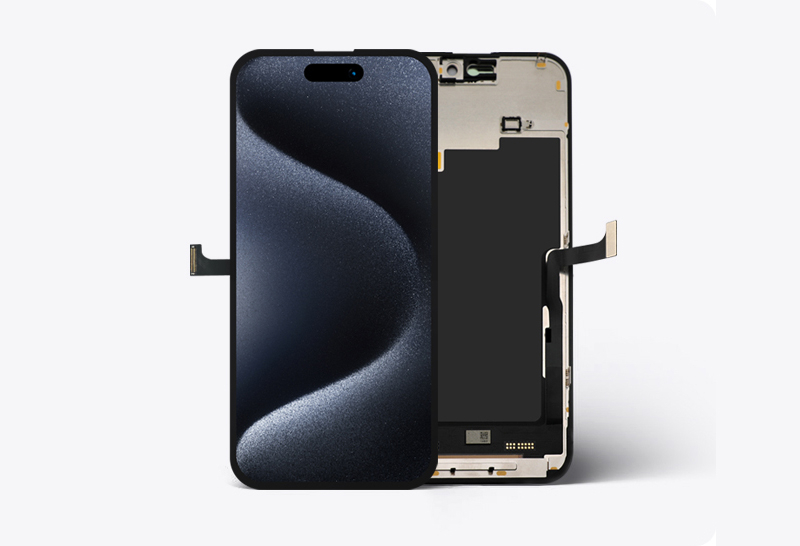
The iPhone 15 Pro Max also achieves professional‑grade colour performance. DisplayMate test data shows an average ΔE value of 0.8 to 0.87, with 100% coverage of the sRGB colour gamut and 99.8% coverage of the DCI‑P3 colour gamut. Apple’s Precision Factory Display Calibration ensures that every unit leaves the factory with near‑perfect colour consistency.
Professional display review organisations such as DxOMark have also given this screen high praise. DisplayMate further named it the only smartphone in its Q4 2023 flagship display round‑up to achieve 1000 nits sustained output on a full‑screen white image without any brightness degradation.
VI. Connecting Past and Future: A Historical Pivot Point
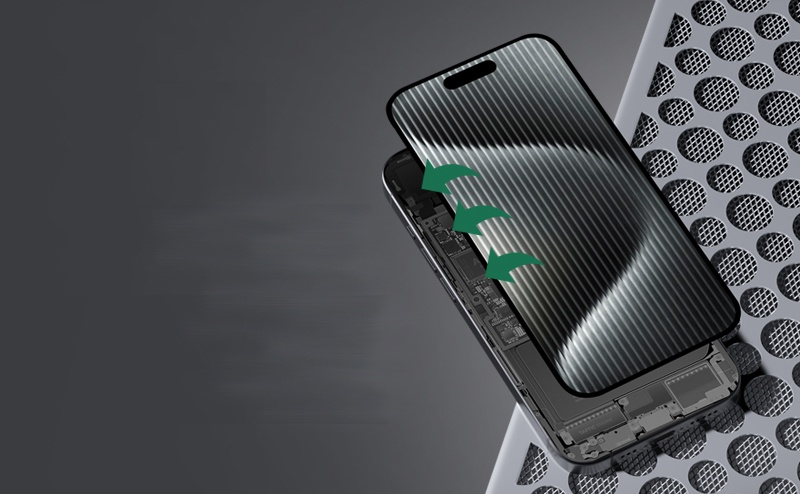
The screen of the iPhone 15 Pro Max holds a pivotal position in the evolution of iPhone displays, serving as a bridge between past and future.
From a legacy perspective, it inherits the OLED full‑screen design language from the iPhone X, continues the Dynamic Island interaction format, and pushes the XDR display standard to new heights. From an innovative perspective, its brightness system – 1000 nits typical, 1600 nits HDR, 2000 nits outdoor – establishes a new baseline for subsequent models. The deep synergy between its LTPO backplane and ProMotion adaptive refresh rate also accumulates critical technological reserves for future explorations in areas like foldable screens and under‑panel cameras.
If the iPhone X ushered in the full‑screen era with an OLED display, and the iPhone 13 Pro defined the high‑refresh‑rate standard with ProMotion, then the iPhone 15 Pro Max – with its 2000‑nit brightness system and even more mature LTPO scheduling – proves that iPhone screens can achieve a near‑perfect balance among brightness, smoothness, and energy efficiency. It not only inherits the technical accumulation of all previous iPhone screens, but also charts the direction for the evolution of next‑generation iPhone displays through comprehensive parameter breakthroughs.