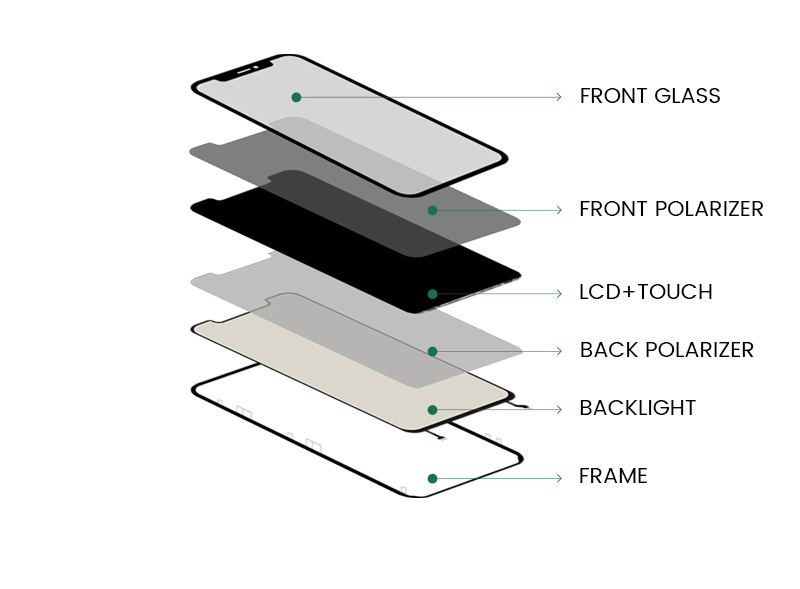
The “Ceiling” of a Screen: How the iPhone 13 Pro Max Became a Touchstone of Social Fairness
In 2021, when the iPhone 13 Pro Max debuted with its 6.7‑inch ProMotion adaptive high‑refresh‑rate Super Retina XDR display, countless tech enthusiasts were in awe — 120Hz of buttery smooth scrolling, 1,000 nits of typical brightness, the sheer power of the A15 Bionic chip. This screen represented the “ceiling” of smartphone displays. Five years later, in 2026, this flagship model with its top‑tier OLED screen has seen its second‑hand price drop to around 2,000 yuan. It is no longer a luxury for the few, but an accessible choice for ordinary salaried workers and students. Yet, the moment this “ceiling” cracks, it reflects the most real and complex social struggle within the entire consumer society — how can a small iPhone 13 Pro Max screen become the ultimate touchstone of class fairness, consumer trust, and environmental responsibility?
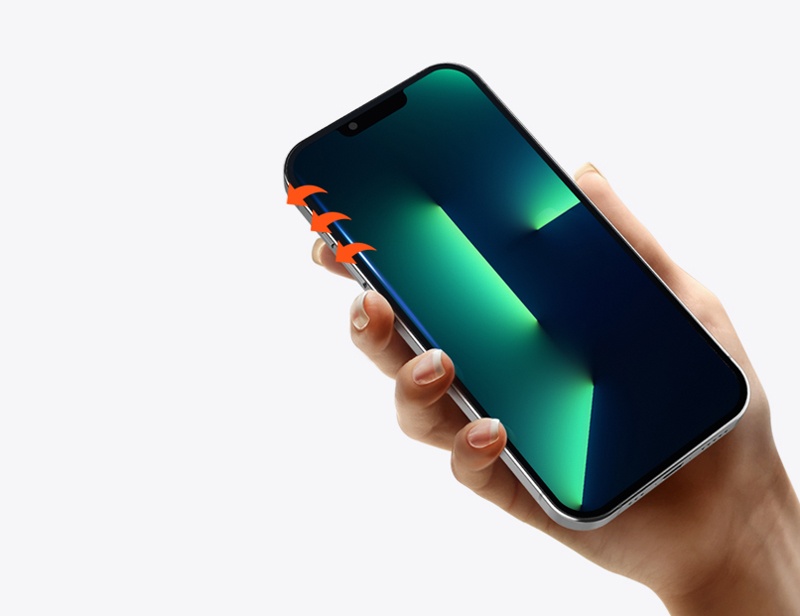
1. The Digital Divide on the “Ceiling”: Too Expensive to Repair, a Shame to Replace
For an iPhone 13 Pro Max user, a cracked screen presents a painful dilemma. The official Apple repair cost for this 6.7‑inch OLED display is as high as 2,559 yuan. If the phone also has other faults such as a damaged motherboard that need fixing, the cost climbs even higher. For a phone whose second‑hand value is only 2,000‑3,000 yuan, spending more than half its worth on a screen replacement makes little sense, no matter how you calculate it. Even if the user purchases AppleCare+ and enjoys the 188 yuan screen‑repair discount, the one‑time 1,199 yuan cost of the plan itself still puts it out of reach for many ordinary consumers. In the wave of rational consumption where replacement cycles have stretched to 33 months, “can’t afford to repair, yet a shame to replace” has become the real sentiment of countless iPhone 13 Pro Max users. Apple’s official pricing logic pushes millions of price‑sensitive consumers into the highly asymmetric third‑party repair market — where you can find pull‑off screens for less than 200 yuan, as well as refurbished fakes passing as genuine, with prices ranging from 168 yuan to over 2,000 yuan and wildly varying quality. The vast price gap for a single screen measures the deep chasm between different spending‑power groups.
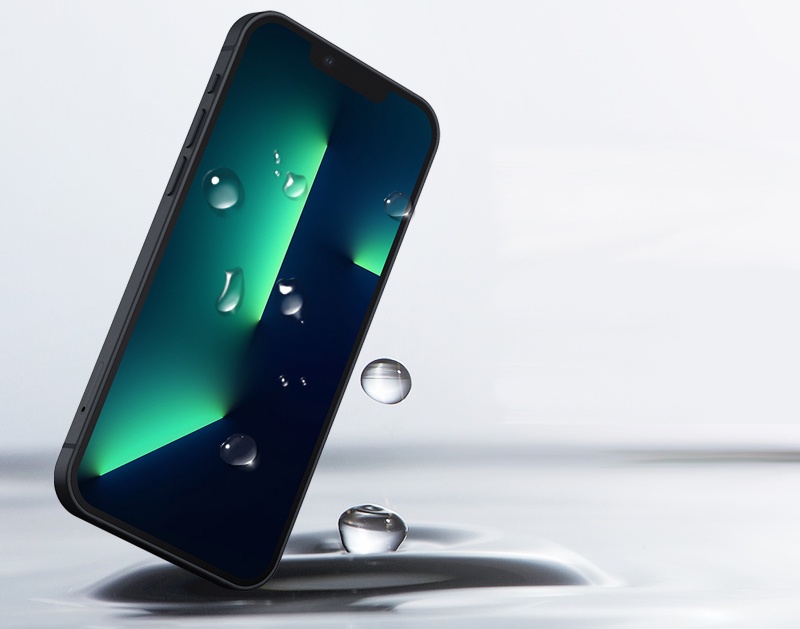
2. The Fraud Epidemic on the “Ceiling”: Who Is Playing with Consumer Trust?
Once a user steps into the third‑party repair market, what awaits them is often not convenience and affordability, but a brutal game of information and trust. On the Black Cat Complaint platform, screen‑related complaints for the iPhone 13 Pro Max are numerous and persistent. One user bought a 13 Pro Max from the Zhao Liang Ji platform; after a system update, the screen suddenly went white the next day. After sending it back to the platform for repair, they were told a domestic screen replacement was needed. However, when the user asked to have the original “faulty screen” returned as well, the platform refused — the user feared that their perfectly good original screen might be swapped in a “cuckoo scam.” Another user experienced a completely unexpected white screen during normal use. After searching online, they discovered that this issue is extremely common among 13 Pro Max users, often occurring 2‑3 years out of warranty. Yet the official Apple authorized service provider didn’t even run a diagnostic test, directly quoting 2,700 yuan for a screen replacement. Another user reported that their 13 Pro Max, purchased in 2021, suddenly developed a green‑yellow screen after nearly four years of use. The authorized service provider again demanded a screen replacement without any inspection. The iPhone 13 Pro Max screen has thus become a “stress test” of consumer trust — official channels pushing expensive whole‑unit replacements, third‑party shops swapping parts and taking advantage of repeat customers. Consumers are left treading on thin ice along this repair chain.
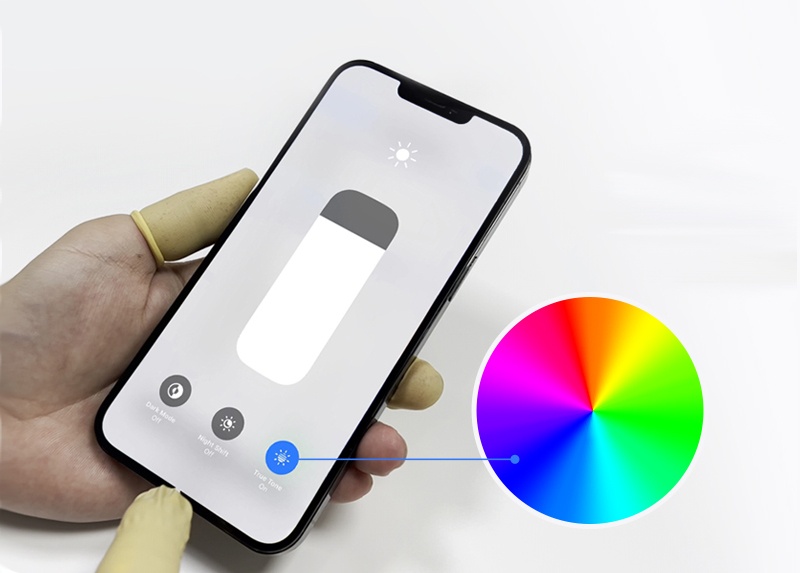
3. The Environmental Promise on the “Ceiling”: The Green Mission Behind Repair
When an iPhone 13 Pro Max screen shatters, the user faces two paths: repair it, or replace the phone. Apple’s official battery replacement service costs 399 yuan, which can effectively “extend the life” of the device. But if the screen is completely destroyed, many users tend to simply buy a new phone. Yet few know that the OLED panel of an iPhone 13 Pro Max contains precious recyclable resources such as rare‑earth metal indium. Randomly discarding it means those resources will never re‑enter the recycling chain. Over 57 million tons of e‑waste are generated globally each year. Giving a compliant screen a new lease on life instead of trashing the whole phone — though a small step — is a contribution to lightening the Earth’s burden. Repair over disposal is becoming the most profound green consumption manifesto of the digital age.
4. Cracks and Healing of the “Ceiling”
The iPhone 13 Pro Max screen was once synonymous with cutting‑edge technology; now it has become a multi‑faceted mirror of social fairness. Prohibitively high official repair prices push ordinary people into a chaotic third‑party market, where fraud and negligence make protecting one’s rights an uphill battle. However, the global “Right to Repair” movement is tearing open these cracks — more than a quarter of U.S. states have passed Right‑to‑Repair laws, and the EU’s Right‑to‑Repair directive was fully transposed by July 2026. Apple has gradually opened its Self Service Repair program and relaxed parts serialization. jhscreen.com is part of this wave of change, committed to providing consumers with professional science‑based information about screen repair and compliant parts, so that every repair is no longer an adventure.
When you look at that shattered iPhone 13 Pro Max screen on a street corner or an online platform, don’t forget the three layers of truth beneath the glass: the class barrier created by thousand‑yuan official prices, the trust game between genuine and counterfeit, and the ecological warning between repair and disposal. Our choice of how to repair a screen is, in essence, a vote for equality in consumer society.