

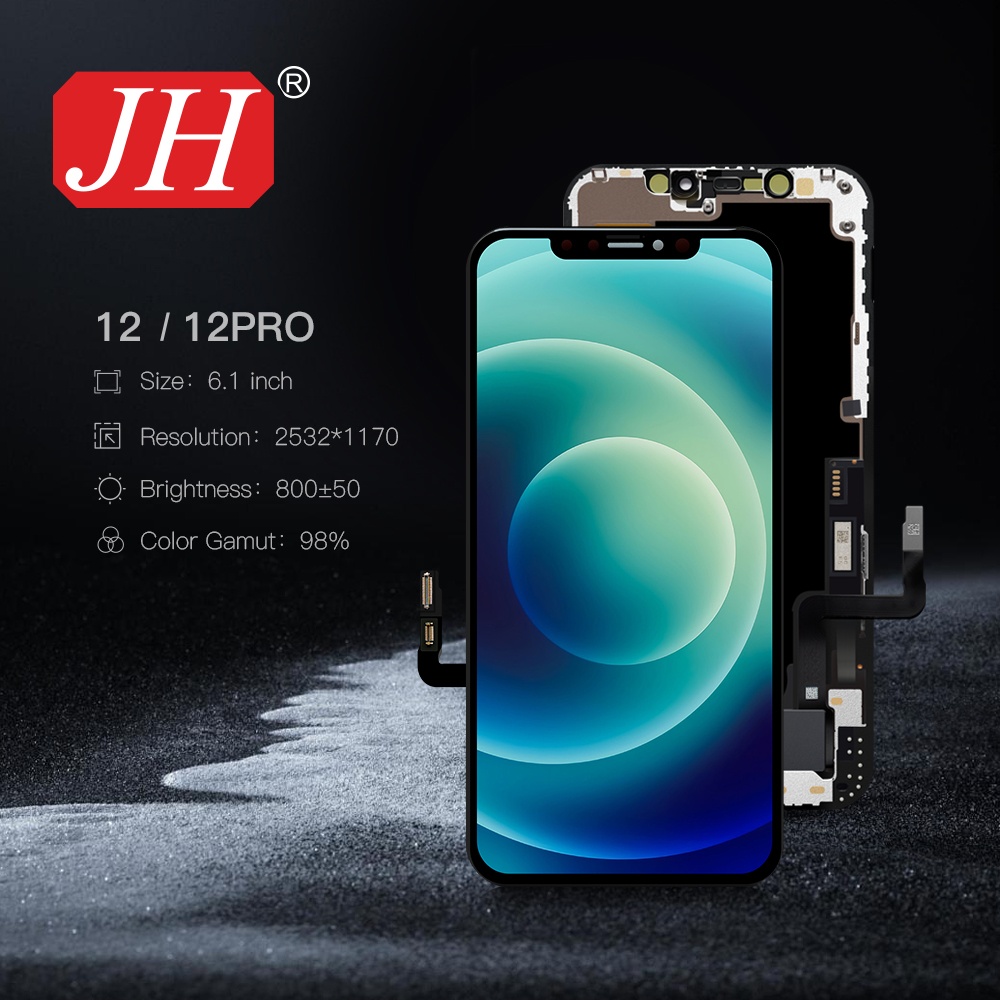
In 2026, the iPhone 12 series remains one of the most widely owned 5G smartphones in the world. The iPhone 12 Screen, as the core vulnerable component of this series, relies on its 6.1‑inch Super Retina XDR OLED display to deliver excellent image quality and has become an essential part of users’ daily lives. Yet, due to the mixed quality of the repair market, it has also turned into a hot social issue touching consumer rights, repair justice, and the circular economy. The iPhone 12 mini Screen in the same series, with its unique positioning as a compact OLED display, shares the core share of the high‑end phone repair market with the iPhone 12 Screen, reflecting the livelihood pain points and value orientation of the mobile phone repair sector in the digital age.
As Apple’s first mass‑produced OLED flat‑screen model, the iPhone 12 features the iPhone 12 Screen with a Ceramic Shield front cover, combining ultra‑high color accuracy with enhanced drop and scratch resistance. From its launch, it set a technical benchmark for the industry. However, with long‑term use, problems such as cracked screens, green tint issues, and touch unresponsiveness occur frequently. Apple’s official iPhone 12 Screen replacement costs as much as 2,149 yuan, close to the price of a new mid‑range phone, forcing many users into a dilemma: “Can’t afford to repair, yet a shame to replace.” This imbalance between high repair prices and the spending power of ordinary consumers has turned the iPhone 12 Screen into a typical symbol of “inequality in the right to repair” — high technical barriers and unreasonable pricing are depriving ordinary users of the right to choose their own repairs, while also fueling a massive third‑party iPhone 12 Screen repair market.
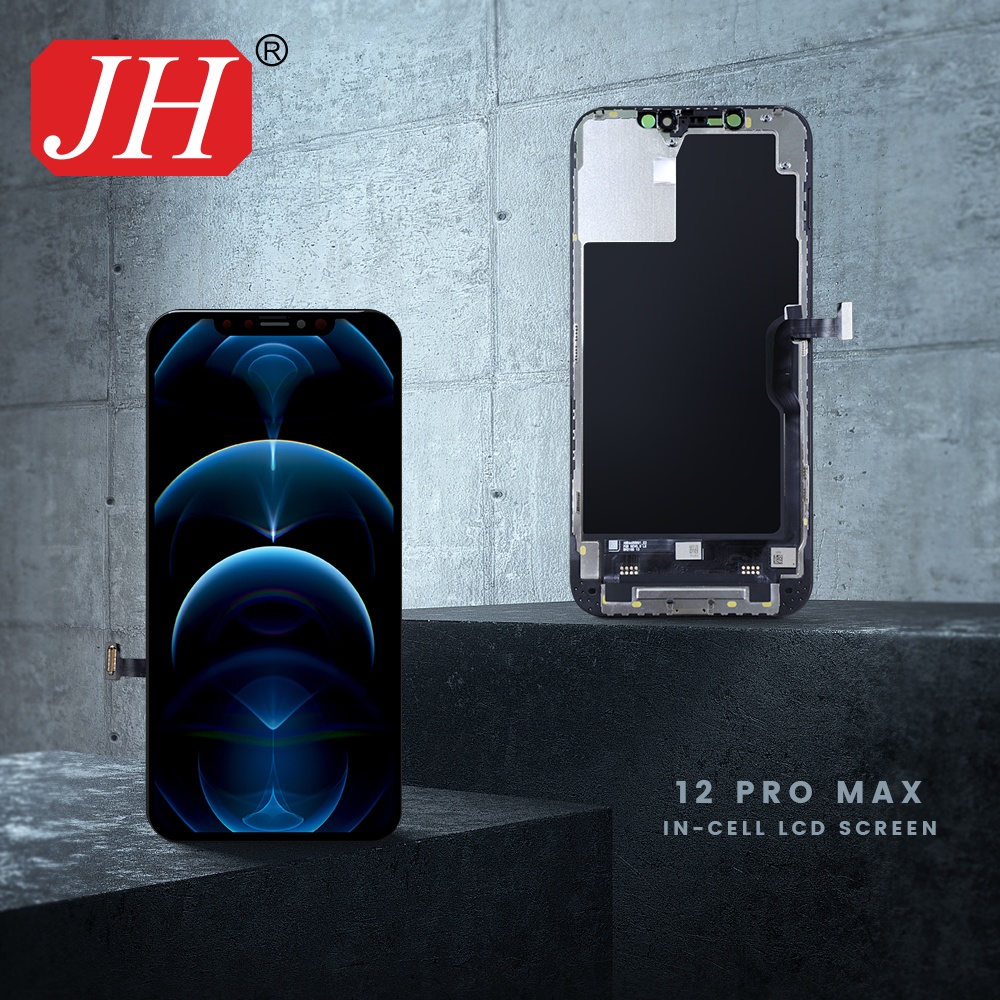
Driven by huge market demand, the iPhone 12 Screen repair market is rife with chaos, making it a major hotspot for consumer rights disputes. High‑quality, compliant iPhone 12 Screens perfectly support True Tone, deliver accurate color reproduction and responsive touch, and meet environmental certifications such as RoHS, with no hazardous residues. In contrast, low‑quality counterfeit iPhone 12 Screens suffer from color distortion, touch lag, and a tendency to leak liquid; some contain excessive heavy metals, which not only affect user experience but also harm human health and the environment. Moreover, some merchants sell refurbished screens as brand new iPhone 12 Screens, disabling original features and reducing device stability, further exacerbating information asymmetry in the consumer market. Similarly, the iPhone 12 mini Screen repair market faces similar chaos, with the higher difficulty of fitting the smaller screen making the safety risks of inferior products even more pronounced.
Against the global wave of green and low‑carbon transformation, the repair and recycling of iPhone 12 Screens have become an important entry point for practicing environmental protection. Data shows that replacing a cracked screen with a compliant iPhone 12 Screen instead of buying a new phone can reduce carbon emissions by about 80% and effectively save rare metals such as indium (a key material for OLED screens) as well as water resources. Globally, over 57 million tons of e‑waste are generated each year, much of which consists of repairable iPhone 12 Screens and iPhone 12 mini Screens that are simply discarded, causing both resource waste and environmental pollution. Choosing to repair with a compliant iPhone 12 Screen not only keeps a phone working for another 1‑2 years but also actively participates in the electronic circular economy, pushing the industry to shift from “replace and discard” to “repair and reuse.”
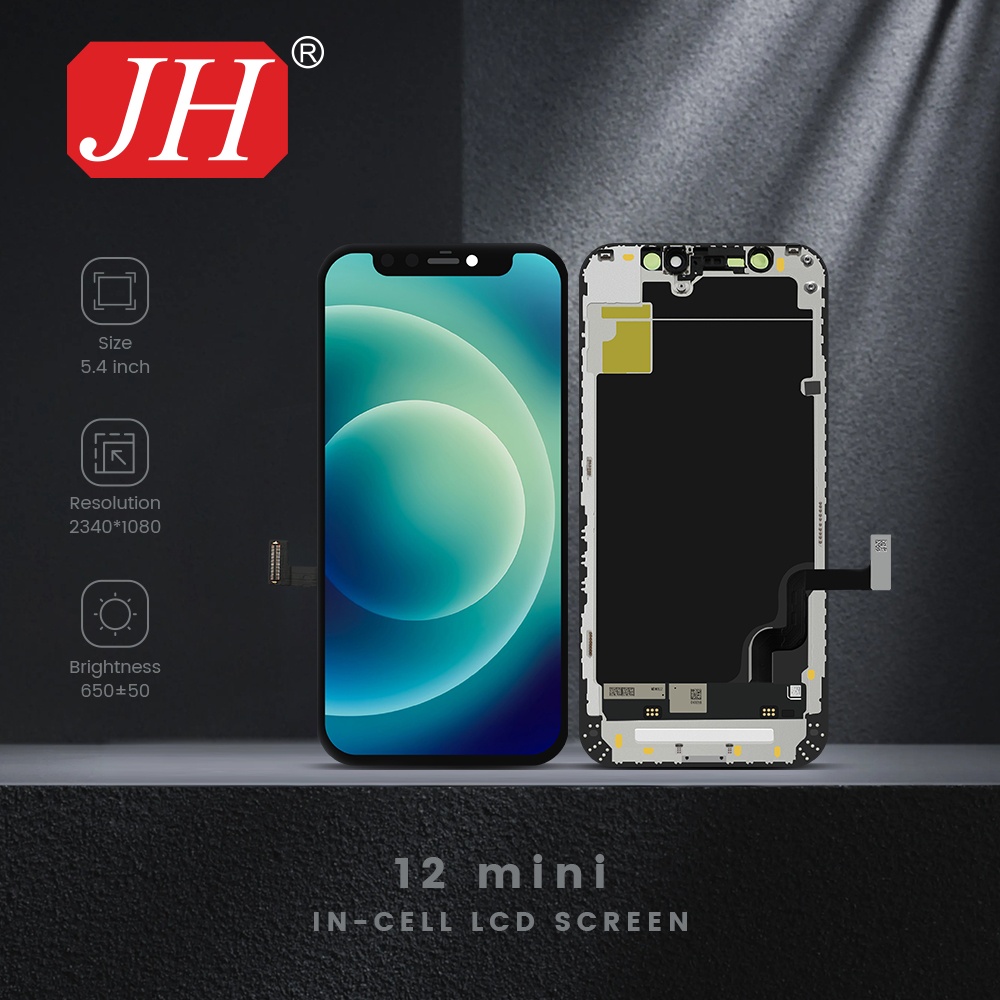
With the rise of the right‑to‑repair movement, the iPhone 12 Screen is becoming a catalyst for industry change. Several countries have already enacted laws to protect users’ right to repair, and Apple has gradually opened access to genuine iPhone 12 Screen parts. However, the market still faces the dual dilemma of “excessive genuine‑part premiums” and “widespread inferior products.” For the vast number of iPhone 12 users, choosing a reliable, compliant, and cost‑effective iPhone 12 Screen is not only a rational consumer decision but also an act of upholding consumer fairness and the freedom to repair. Similarly, repairs for the iPhone 12 mini Screen must follow the same core principles of compliance and environmental responsibility.
A small iPhone 12 Screen connects technology, commerce, people’s livelihoods, and environmental protection. It carries consumers’ expectations for fair treatment and also shoulders the green responsibility of the industry. Looking ahead, we hope that regulatory authorities will strengthen oversight, bring order to the repair market for iPhone 12 Screens and iPhone 12 mini Screens, and promote more transparent quality standards and more reasonable pricing systems. We also hope that more正规 manufacturers like Shenzhen Hongshengtong Optoelectronics will provide high‑quality, compliant iPhone 12 Screen products, so that every user can enjoy fair, safe, and environmentally friendly repair services — truly letting technology serve people, not become a financial burden.