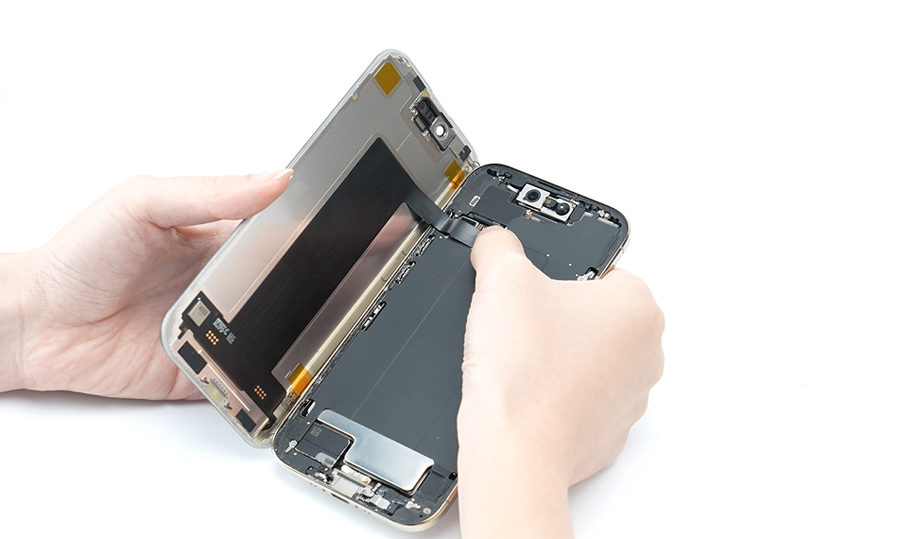
iPhone Screen Wholesale: Your Guide to Sourcing Reliable Replacement Screens in 2026
The global smartphone repair market is booming, and at the heart of this growth lies one consistent reality: screens break. For repair shop owners, distributors, and refurbishment businesses, sourcing high-quality iPhone screens at wholesale prices isn't just a purchasing decision—it's the foundation of your entire operation. Whether you're stocking screens for iPhone 6 through the latest iPhone 16 series, the quality and reliability of your supply chain directly impacts your margins, your reputation, and your ability to scale [12†L4-L8].
This guide covers everything you need to know about iPhone screen wholesale—from understanding screen grades and quality tiers to choosing a reliable manufacturer and navigating the 2026 market landscape.
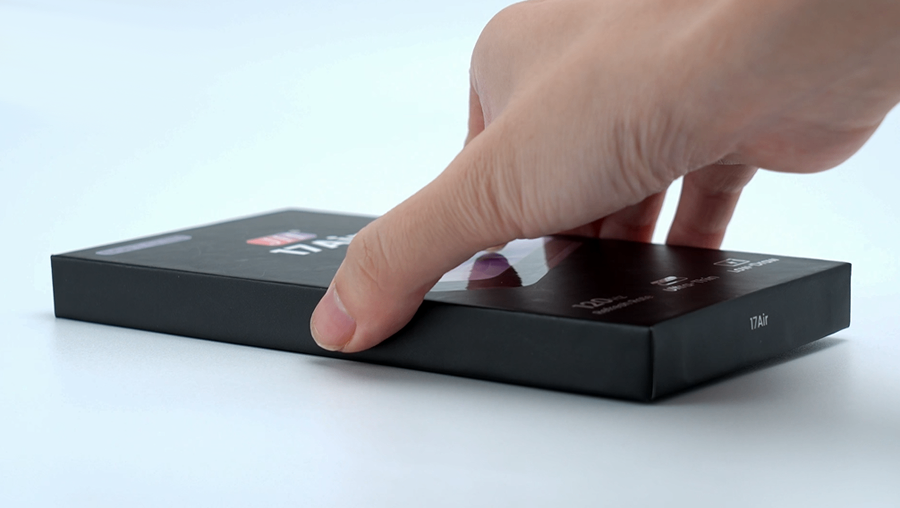
The State of the iPhone Screen Wholesale Market in 2026
A Market Backed by Strong Fundamentals
The numbers tell a compelling story. The global mobile phone repair market was valued at $50.2 billion in 2023 and is projected to grow at a CAGR of 6.8% through 2030 [12†L23-L24]. The US market alone is expected to reach $16.1 billion by 2027 [12†L25-L26]. Screen repair remains the largest single category driving this growth—display damage is consistently the most common reason a smartphone enters a repair shop [12†L27-L28].
In 2023 alone, 72 million smartphones were repaired in the US due to cracked screens, up 18% from 2022 [12†L28-L29]. And the economic case for repair is only getting stronger: the average cost of replacing an iPhone is $650, compared to an average repair cost of $150 for a screen replacement [12†L31-L32]. Apple's out-of-warranty screen repair costs range from $129 for an iPhone SE to $379 for the iPhone 16 Pro Max, giving independent repair shops a compelling value proposition at 40–60% of Apple's price [12†L34-L36].
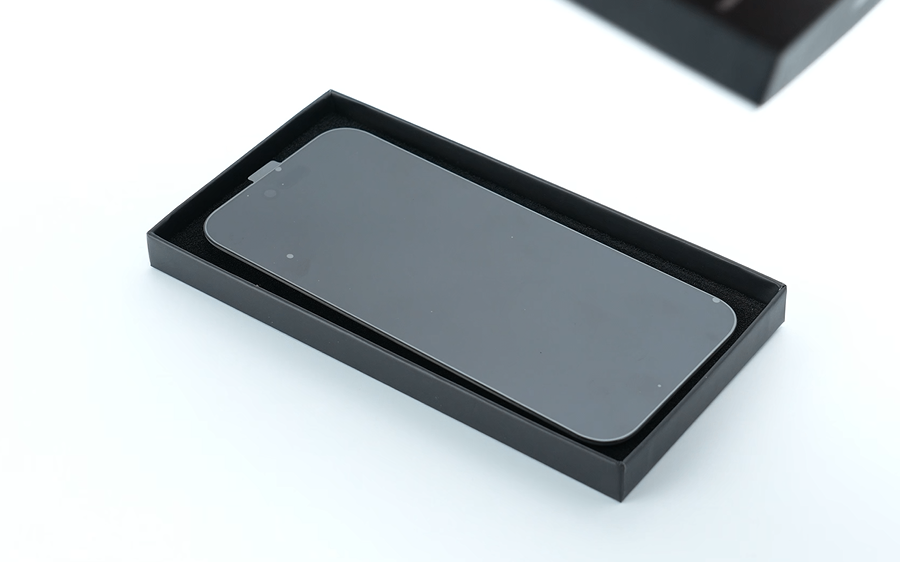
Right-to-Repair Laws Are Reshaping the Industry
Perhaps the most significant structural shift in the iPhone screen wholesale market is the wave of right-to-repair legislation. The EU Right to Repair Directive entered into force on July 30, 2024, with full implementation across all EU member states required by July 31, 2026 [7†L34-L36]. The directive mandates that manufacturers offer post-warranty repairs, provide spare parts for up to 10 years, and prohibits hardware or software techniques that impede repair [7†L37-L39].
79% of EU citizens believe manufacturers should be required to make it easier to repair digital devices, and 77% would rather repair their devices than replace them [7†L43-L45]. This sentiment is now backed by law. Europe's smartphone repair industry is forecasted to expand at 9.8% CAGR from 2024–2030, reaching €8.5 billion by 2030 [7†L46-L47].
For wholesale buyers, this isn't an incremental opportunity—it's a structural shift that favors established supply relationships with reliable factories over spot-buying from unknown sources [7†L48-L50].
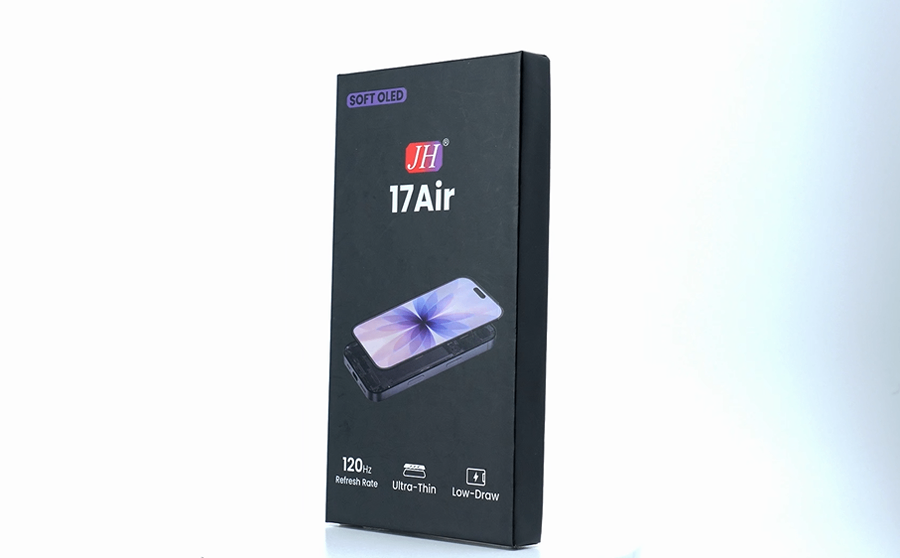
Understanding iPhone Screen Grades: What Wholesale Buyers Need to Know
One of the biggest challenges in iPhone screen wholesale is navigating the confusing landscape of screen grades. The terminology varies wildly between suppliers—one vendor's "Grade A Aftermarket" might be another's "Premium Incell" [10†L15-L17]. Understanding what you're actually getting is essential to making smart purchasing decisions.
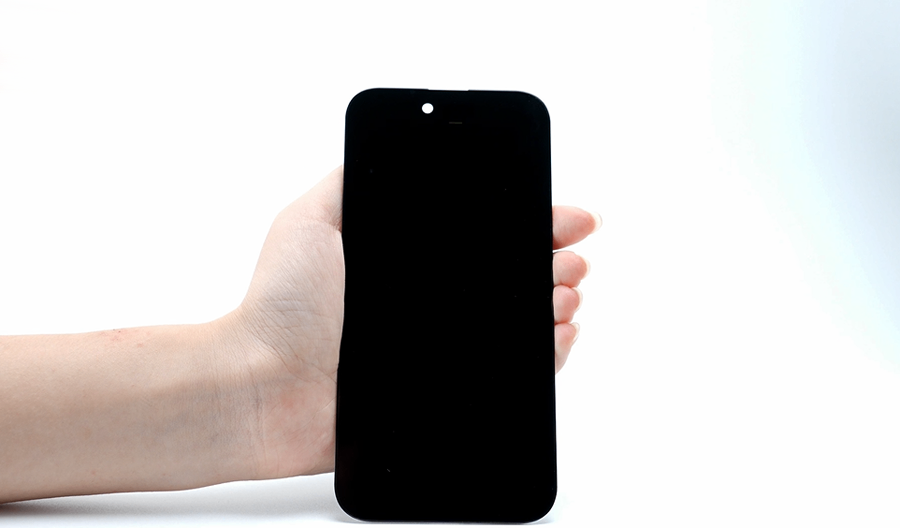
Incell LCD Screens
Incell is a manufacturing process where the touch layer is integrated directly into the LCD panel itself, rather than being laminated as a separate layer on top [11†L28-L29]. Apple originally adopted this technology starting with the iPhone 6, and it became the standard for LCD iPhones through the iPhone 11 [11†L30-L31].
What wholesale buyers actually receive:
Display brightness typically in the 400–500 nit range [11†L35-L36]
Smooth and accurate touch response under normal conditions [11†L36]
Good color reproduction, though slightly cooler than original Apple panels [11†L37]
Standard flex cable and frame construction [11†L38]
Who should buy incell: Budget-conscious repair markets, shops servicing older iPhone models (6 through 11), and businesses where customers are primarily looking for a functional, cost-effective repair [11†L49-L51].
Aftermarket Screens
Aftermarket is the broad category for any screen manufactured entirely from scratch by a third party [10†L22-L24]. There's enormous quality variation inside this category.
For iPhone models that originally shipped with LCD (iPhone 6 through iPhone 11), aftermarket LCDs use TFT panels sourced mostly from BOE, Tianma, or smaller panel manufacturers [10†L26-L27]. The better ones have brightness in the 380–430 nit range, compared to the original Apple panel which runs around 625 nits [10†L28-L29].
For iPhone X and later OLED models, what most of the market sells as "aftermarket OLED" or "Soft OLED" is actually an LTPS LCD panel with a flexible backing designed to physically fit the curved OLED chassis [10†L42-L44]. Color performance is noticeably different—DCI-P3 wide color isn't available, black levels are significantly higher than true OLED, and True Tone is gone entirely [10†L45-L47].
Quality Matters More Than Price
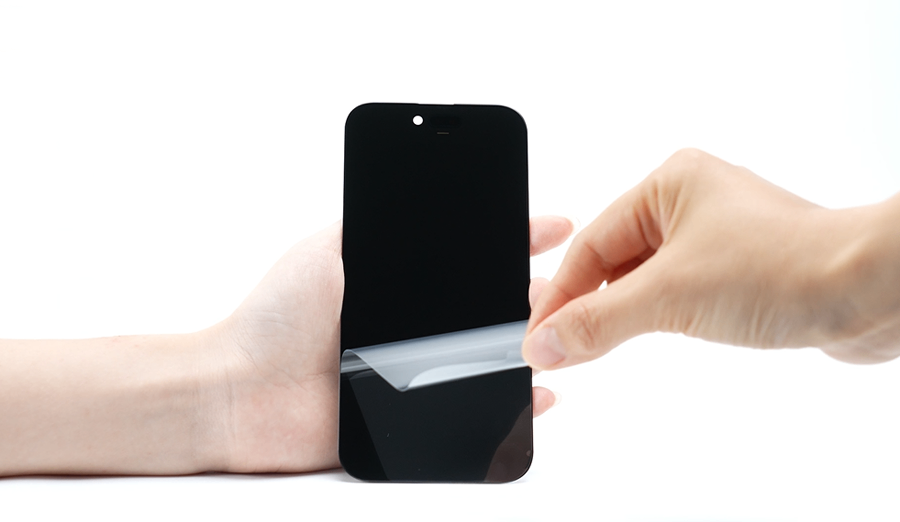
For B2B buyers, unstable quality is more expensive than higher pricing. Problems caused by inconsistent iPhone screen quality include increased return rates, higher labor costs, customer dissatisfaction, and damage to brand reputation [8†L17-L19]. A stable iPhone screen supplier helps reduce these risks and improve long-term profitability [8†L19-L20].
Here's a number that surprises most people: for a typical repair shop doing 30–50 iPhone screen jobs per week, a 3% return rate difference between screen grades translates to roughly 1–2 comebacks per week [11†L19-L21]. Multiply that by your labor cost, your parts replacement cost, and the customer goodwill you lose—and suddenly the $2–4 price difference per unit doesn't look like savings anymore [11†L22-L23].
Why Working Directly with a Manufacturer Matters
Not all suppliers are manufacturers. Many are trading companies that buy from factories and resell [8†L21-L22]. While distributors can offer faster shipping and lower minimum orders, working directly with a factory provides distinct advantages for serious wholesale buyers [9†L27-L28].
What Defines a Real iPhone Screen Manufacturer?
A genuine iPhone screen manufacturer typically has [8†L22-L24]:
In-house production lines
Quality control teams
Testing equipment
Stable raw material sourcing
The Production Process
Understanding the production process helps buyers evaluate supplier capability [8†L26]. A professional factory follows a rigorous process:
1. Raw Material Selection: High-quality screens start with high-grade materials—LCD panels, backlight components, touch IC and flex cables [8†L27-L29].
2. Assembly Process: During assembly, multiple components are integrated into a complete screen assembly. Key factors include precision alignment, a clean production environment, and controlled bonding processes [8†L30-L35].
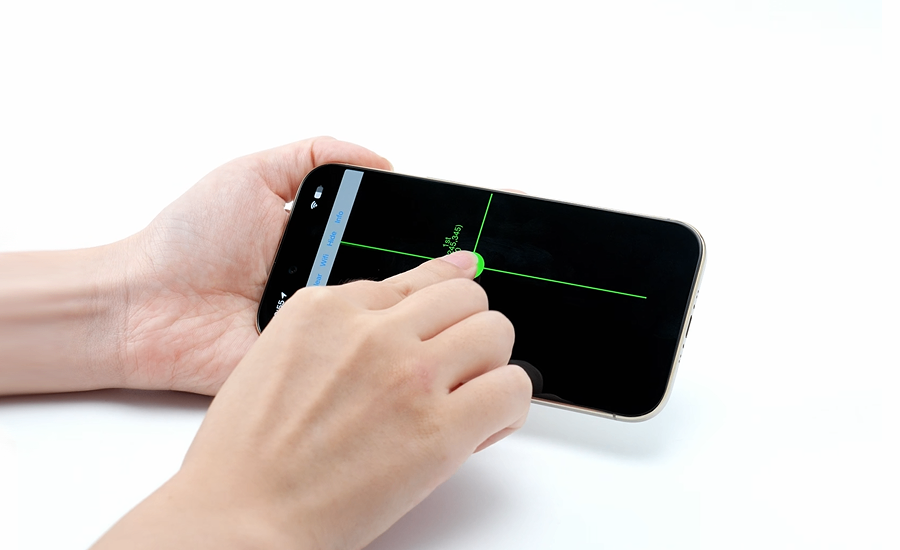
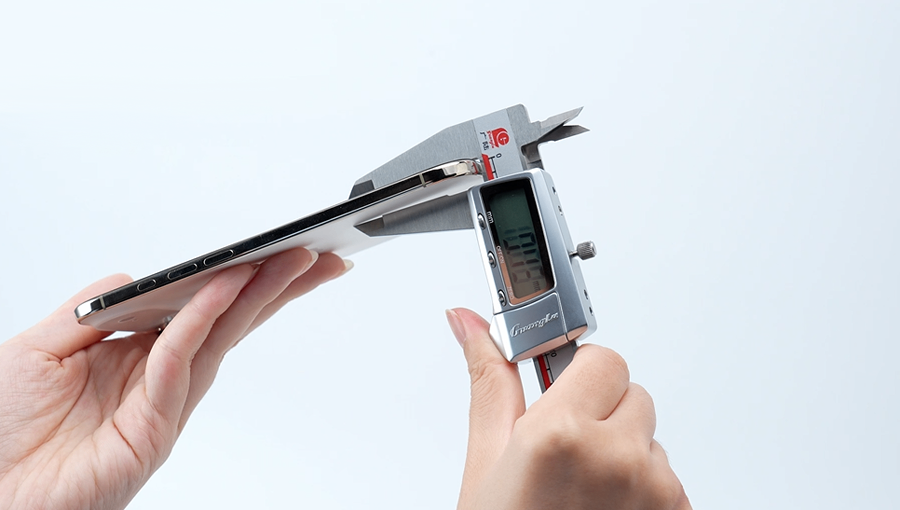
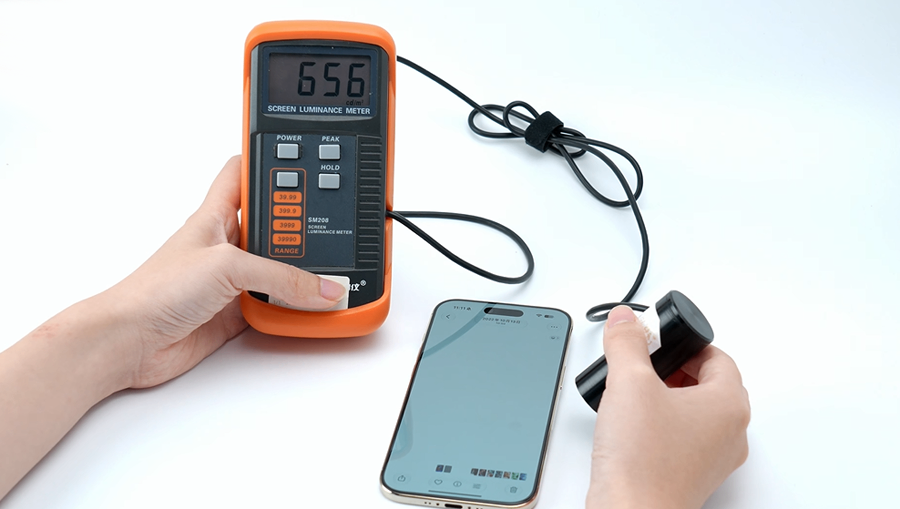
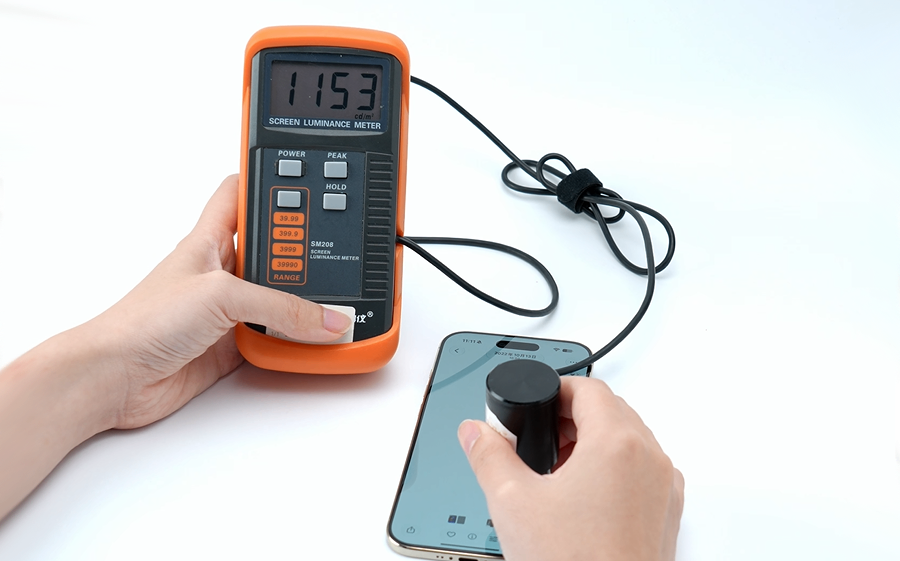
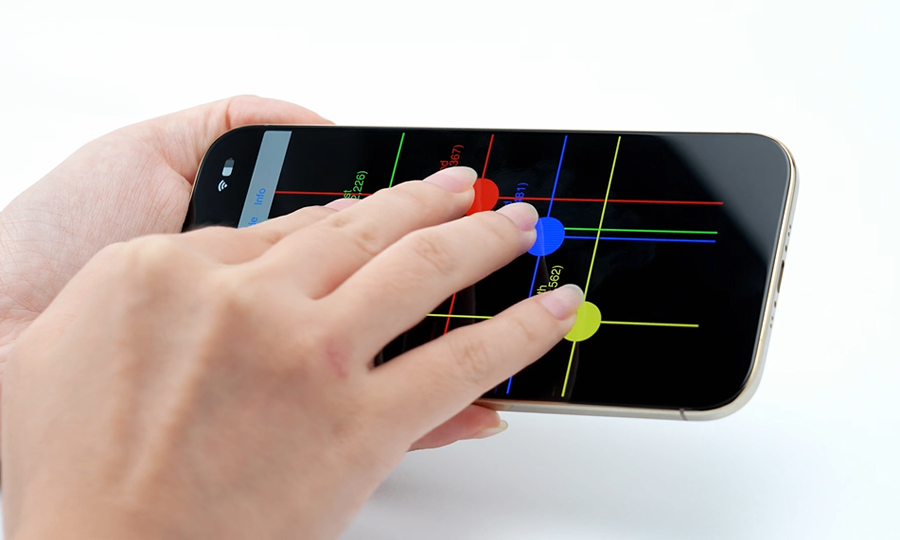
3. Functional Testing: Every screen should undergo full functional testing before shipment, including display testing (brightness, color), touch testing, and compatibility testing [8†L36-L38].
4. Aging Test: Aging tests simulate long-term use. Screens are powered on for extended periods to detect flickering issues, backlight instability, and touch failure [8†L39-L41].
5. Final Inspection and Packaging: Before shipping, screens are inspected again and carefully packaged to ensure protection during shipping and reduced damage rates [8†L42-L44].
Consistency Across Batches
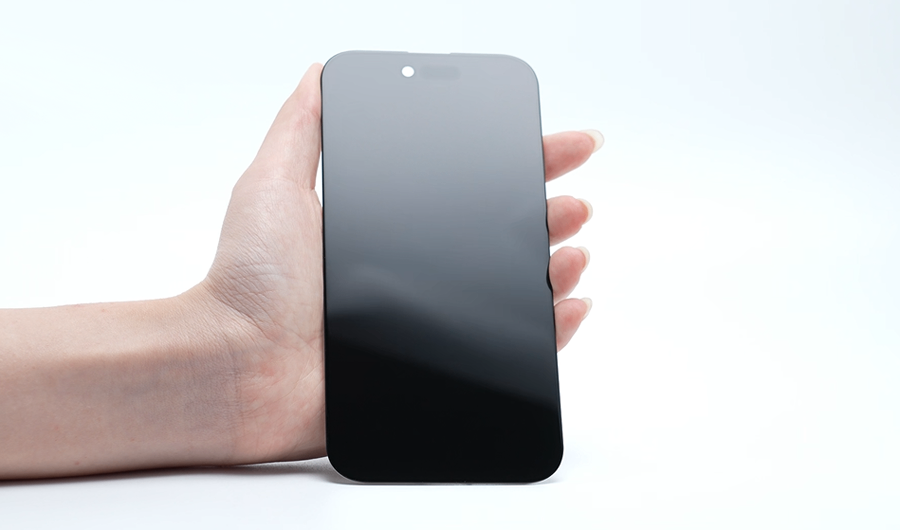
Consistency is what separates professional factories from unstable suppliers [8†L45]. A reliable manufacturer maintains [8†L46-L50]:
Standardized production processes for every batch
A stable supply chain for consistent material sourcing
Batch testing systems with recorded results
Quality traceability to trace issues back to specific batches
Supply Stability
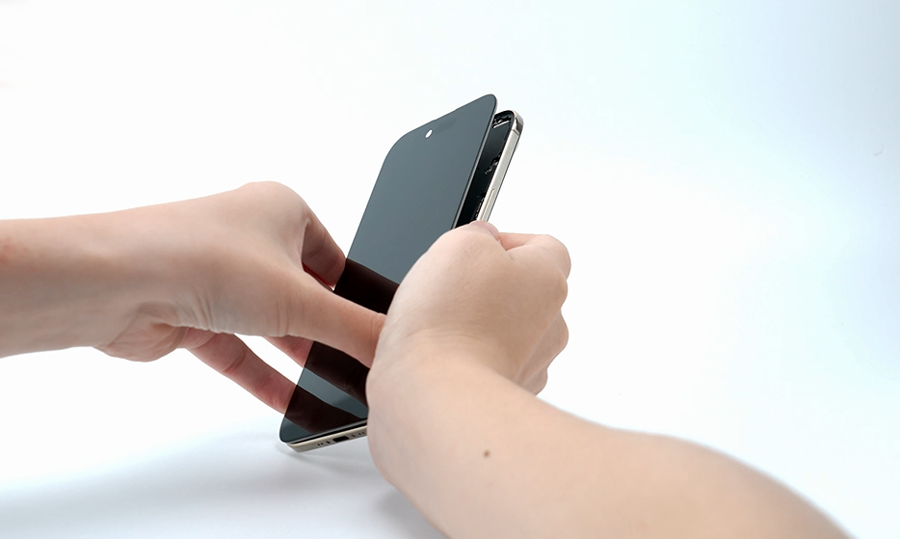
For distributors and repair chains, supply interruption can be critical. A reliable wholesale iPhone screen supplier ensures continuous inventory availability, fast order processing, and on-time delivery [8†L52-L54]. Common problems when working with unreliable suppliers include inconsistent quality, high defect rates, unstable delivery, and lack of after-sales support [8†L55-L57].
10 Criteria for Choosing the Best iPhone Screen Supplier
Finding the best iPhone screen supplier is one of the most critical decisions for any repair shop, wholesaler, or distributor [9†L5-L6]. Here are the key criteria to evaluate [9†L32-L52]:
1. Quality Control: The best suppliers always have strict quality control. Check for testing procedures, inspection reports, and defect rates [9†L32-L34].
2. Product Range: A reliable supplier should offer LCD screens, OLED screens, and accessories. A wide range indicates strong supply capability [9†L34-L37].
3. Competitive Pricing: While pricing matters, avoid extremely cheap products and focus on value, not just cost [9†L38-L39].
4. Certifications: Look for industry certifications and factory verification that prove reliability [9†L39-L40].
5. Customer Reviews: Check reviews before choosing a supplier. Positive feedback indicates trustworthiness [9†L41].
6. Shipping Capability: A good wholesale supplier offers fast global shipping, tracking services, and reliable logistics [9†L42-L43].
7. Warranty Policy: The best suppliers provide replacement for defective items and a clear return policy [9†L44-L46].
8. Communication: Clear communication ensures smooth cooperation. Choose suppliers that respond quickly [9†L46-L47].
9. Experience: Experienced suppliers are more reliable. They understand market trends, customer needs, and product quality standards [9†L47-L49].
10. After-Sales Support: Strong after-sales service helps resolve issues quickly—a key feature of a reliable supplier [9†L49-L52].
The iPhone Screen Models You Need to Stock
The right inventory mix depends on your market and customer base. A distributor supplying independent repair shops in the UK has different stocking priorities than a repair chain in the UAE or a reseller building an Amazon operation [12†L8-L10].
However, understanding the full lineup from iPhone 6 through iPhone 16, along with the grade structure that matters for wholesale buyers, is essential for making informed purchasing decisions [12†L14-L17]. The iPhone screen market requires staying current with both legacy models (which still generate significant repair volume) and the latest releases.
Looking Ahead: The Five-Year Outlook
The global smartphone repair market is projected to reach $45.4 billion by 2033, growing at a CAGR of 7.2% [7†L23-L24]. The screen repair segment, valued at $10.1 billion in 2023, accounts for 52% of total repair market value [7†L26-L27].
Three structural forces are reshaping the supply chain [7†L31-L32]:
Right-to-repair legislation creating structural demand
Lengthening replacement cycles as device prices rise and repair access improves [7†L51-L53]
Growing consumer preference for repair over replacement
These trends are not temporary. They represent a permanent shift in how consumers and regulators approach device repair. For wholesale buyers, this means the floor under the market is concrete—screens crack, users keep devices longer, and the infrastructure to service that demand needs a reliable supply chain behind it [7†L27-L30].
Conclusion
The iPhone screen wholesale market in 2026 offers significant opportunities for repair shops, distributors, and refurbishment businesses. With strong market fundamentals, supportive legislation, and growing consumer demand, the business case for quality screen sourcing has never been clearer.
Success in this market comes down to one key decision: choosing the right manufacturing partner. A reliable iPhone screen manufacturer ensures consistent quality, stable supply, and competitive pricing—the three pillars of a profitable wholesale operation.
Whether you're sourcing for a local repair shop or building a distribution network across multiple countries, working directly with an established manufacturer gives you the control, quality assurance, and supply stability needed to grow your business in this expanding market.