iPhone X Screen History: The Milestone That Defined the Full‑Screen Era
On September 12, 2017, at the Steve Jobs Theater, Tim Cook unveiled the iPhone X to the world. This model was specially created to commemorate the tenth anniversary of the original iPhone. The 5.8‑inch OLED Super Retina full screen it carried not only ended the decade‑long LCD era of the iPhone but also opened a new chapter for smartphone full‑screen displays. This article will comprehensively review the historical significance of the iPhone X screen from multiple perspectives: technical specifications, development insights, industry impact, and subsequent evolution.
I. A Work of Art Beyond Specs: Technical Specifications
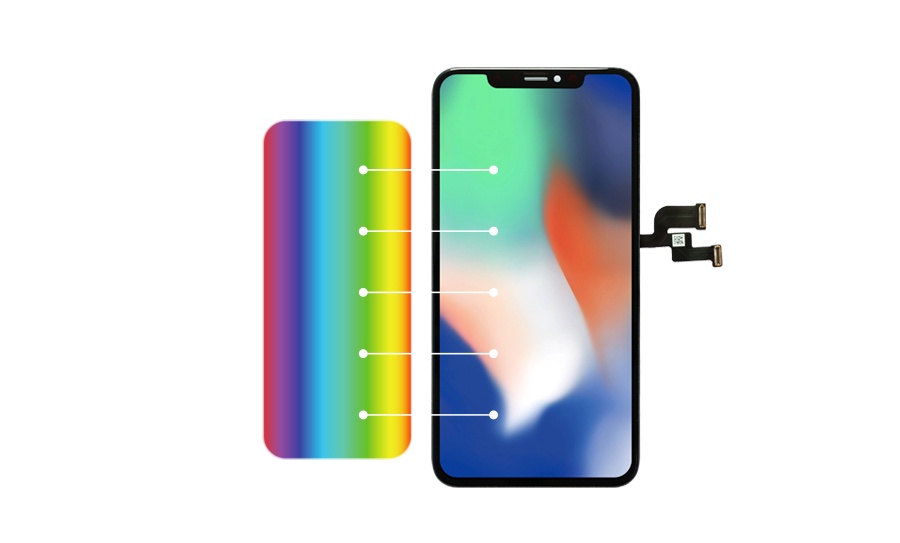
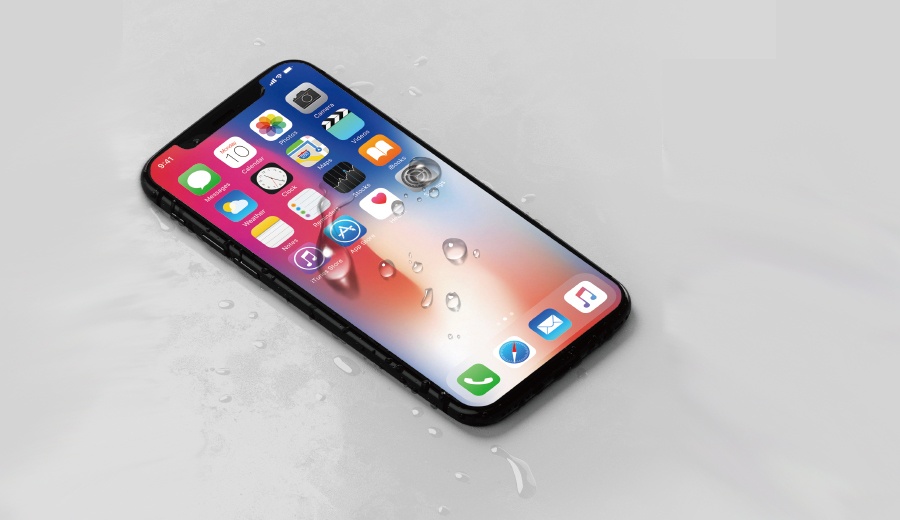
The iPhone X features a 5.8‑inch (measured as 5.85 inches in the standard rectangle) OLED multi‑touch display, which Apple named the “Super Retina Display.” Its resolution is 2436 × 1125 pixels, with a pixel density of 458 pixels per inch and an aspect ratio of 19.5:9. This pixel density was the highest ever in an iPhone at the time.
The most stunning parameter of this screen is its 1,000,000:1 contrast ratio. Thanks to the self‑emissive nature of OLED, each pixel can be independently controlled – when displaying black, the pixel turns completely off, achieving true black. In comparison, the LCD screen of the contemporary iPhone 8 had a contrast ratio of only 1400:1 – a difference of orders of magnitude. This means that when showing HDR content, the iPhone X could present a level of light and shadow depth never seen before on an iPhone.
In terms of brightness, the iPhone X has a maximum typical brightness of 625 cd/m² (about 625 nits). It supports the DCI‑P3 wide colour gamut, HDR display, Dolby Vision, and HDR10. At the same time, it also features True Tone technology, which uses a six‑channel ambient light sensor to automatically adjust the screen’s white balance, making the colour temperature change with the ambient light for a more natural viewing experience.
As Apple’s first OLED phone, the iPhone X also successfully retained 3D Touch. To achieve this, Apple added a 3D Touch module on top of the traditional flexible OLED panel, touch panel, and panel module – a remarkable technical integration challenge. Sadly, this also made the iPhone X the last full‑screen iPhone to feature 3D Touch.
II. The Power of Customisation: How Apple Turned a Samsung Screen into an “Apple Screen”
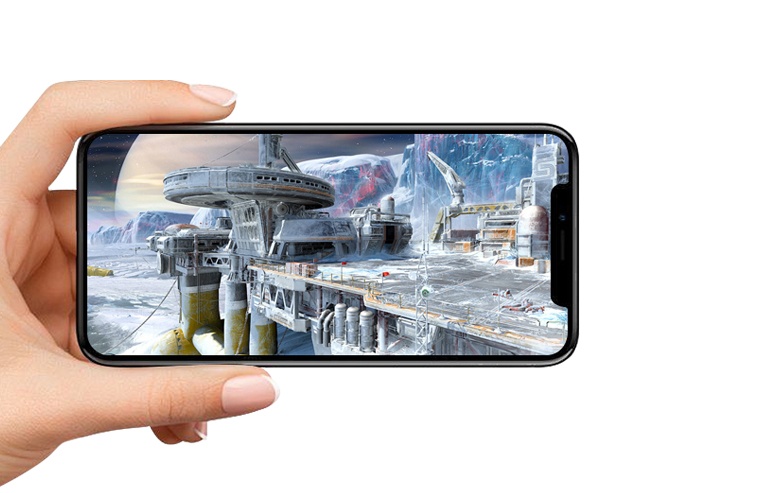
Many people know that the iPhone X’s OLED screen was supplied by Samsung, but it was by no means an off‑the‑shelf Samsung panel. Apple has its own professional display team, and as early as two years before launch, it had already begun deep R&D cooperation with Samsung on the display panel. For this purpose, Samsung dedicated an independent team of about 200 people to work exclusively with Apple, customising an OLED screen that met Apple’s stringent standards. In other words, every pixel of the iPhone X was tailor‑made for Apple.
Apart from Samsung’s exclusive supply, the 3D Touch module for the iPhone X was made by Taiwan’s TPK‑KY and GIS‑KY, while Chinese supplier Anjie Technology became one of the suppliers for the screen’s touch‑layer functional components. It was the collaboration of these supply chain forces from around the world that ultimately created the screen that, upon launch, was hailed by the industry as the best‑performing smartphone screen ever tested.
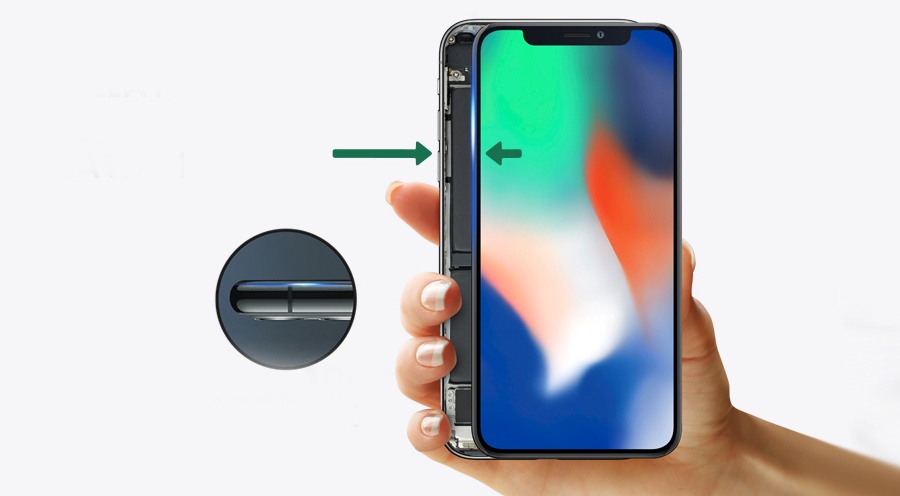
To achieve the ultimate full‑screen look, Apple and Samsung adopted the industry’s most advanced COP (Chip on Plastic) packaging process. This packaging method takes advantage of the flexible, bendable nature of OLED, placing the components at the bottom of the screen on the bent portion of the panel, thereby minimising the width of the screen’s edges. This set the direction for the underlying packaging technology of subsequent full‑screen Android flagships.
To eliminate the abruptness of the notch’s edges, Apple also performed specialised anti‑aliasing on the sub‑pixels at the screen’s edges – a level of fine‑tuning rarely seen on other full‑screen phones at the time, demonstrating Apple’s ultimate pursuit of display aesthetics.
III. DisplayMate A+ Rating: High Praise from a Professional Institution
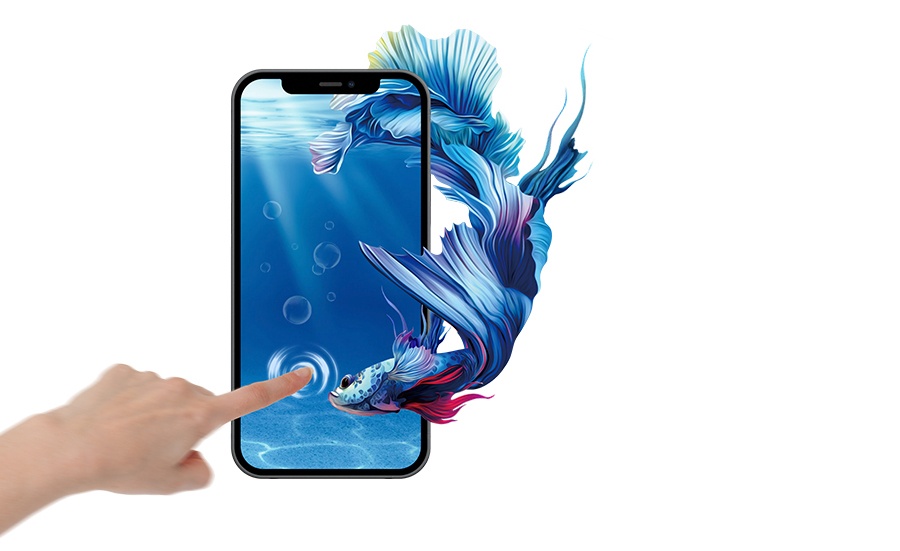
Shortly after the iPhone X officially went on sale in November 2017, the professional screen testing organisation DisplayMate gave it the highest rating at the time – A+ – and called it “the best‑performing smartphone screen we have ever tested.”
The iPhone X set multiple records in DisplayMate’s evaluation. First, in terms of colour accuracy, the iPhone X achieved a colour accuracy of 0.9 JNCD. DisplayMate noted that colour differences below 1 JNCD are visually indistinguishable, meaning the iPhone X’s screen display had reached a level where the human eye could barely detect colour errors. Moreover, with a full‑screen brightness of 634 nits, the iPhone X broke the global brightness record for OLED screens at the time. Meanwhile, a screen reflectance of 4.5% was also close to the lowest level among smartphones then, ensuring good readability even under strong light. Overall, whether in the sRGB/Rec.709 colour gamut or the DCI‑P3 wide colour gamut, the colour accuracy of the iPhone X reached the industry’s top level at the time.
IV. Moving Forward Amid Controversy: Burn‑In Risk and High Repair Costs
As Apple’s first OLED product, the iPhone X enjoyed a leap in image quality while inevitably facing OLED’s technical pain points. Some users reported that after 510 hours of continuous screen‑on time, black lines and distorted displays began to appear – the so‑called burn‑in or image retention. This is caused by the prolonged continuous illumination of OLED pixels, leading to premature degradation of the materials and leaving irreversible ghost images on the screen.
In response, Apple published a support document advising users to keep their operating system updated to the latest iOS version, enable auto‑brightness, turn off the display when not in use, and avoid displaying static images at maximum brightness for long periods, in order to maximise the lifespan of this high‑quality OLED screen. Nonetheless, OLED colour shift and burn‑in issues remained controversial on this generation, but these early debates pushed the entire industry to continuously improve durability.
Beyond the concerns of day‑to‑day use, the high cost of repairs was another major pain point for many iPhone X users. Due to the complex manufacturing process and special‑shaped cutting of the OLED panel, the official out‑of‑warranty screen replacement cost for the iPhone X at the time was as high as 2,288 RMB. This was nearly twice the cost of replacing the screen on the iPhone 8 Plus, making owning an iPhone X a rather delicate affair.
V. Industry Beacon: Ushering in the Full‑Screen and OLED Popularisation Wave
The release of the iPhone X had a profound impact on the smartphone industry. Before this, although OLED screens had appeared in a small number of Android flagships, Apple’s entry was the definitive signal. According to media reports, before the iPhone X was launched, Apple’s OLED screens were supplied exclusively by Samsung. With the arrival of the iPhone X, the annual shipments of traditional LCD suppliers such as Sharp and Japan Display Inc. (JDI) plummeted from nearly 200 million units at their peak to about 20 million units in 2023. Chinese panel maker BOE also accelerated its pursuit under this wave, gradually taking an important share in subsequent iPhone models.
Apple’s successful retention of 3D Touch and the large‑scale application of COP packaging technology became core technological focuses that subsequent smartphone manufacturers rushed to imitate and surpass. Full‑screen design has since become the standard for high‑end smartphones, and the entire mobile phone industry has completely bid farewell to the era of screens with chins and foreheads. It can be said that the iPhone X was not only Apple’s summary of past innovation but also the starting line for the entire smartphone industry to enter a new stage of competition based on “visual experience.”
VI. Subsequent Evolution: The Screen Progression from X to the 16 Series
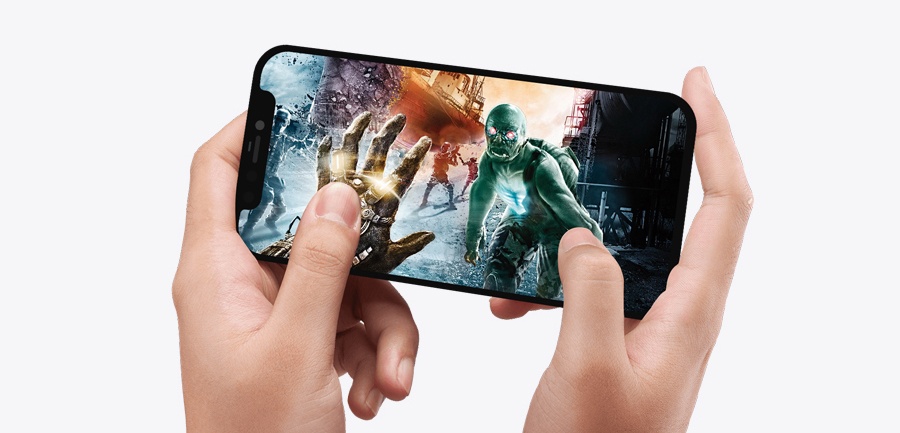
The success of the iPhone X laid a solid technical foundation and interaction language for all subsequent full‑screen iPhones. The 2018 iPhone XS series further expanded the OLED screen size to 6.5 inches. In 2019, the iPhone 11 Pro series introduced the new name “Super Retina XDR,” doubling the contrast ratio to 2,000,000:1 and increasing the maximum typical brightness from the iPhone X’s 625 nits to 800 nits.
The 2020 iPhone 12 Pro Max increased the screen size to 6.7 inches for the first time and introduced the Ceramic Shield cover glass, which improved drop performance by four times. 2021 saw the biggest leap in screen technology – the iPhone 13 Pro series debuted LTPO technology with ProMotion adaptive refresh rate, dynamically adjusting between 10Hz and 120Hz. The 2022 iPhone 14 Pro replaced the iconic notch with the Dynamic Island and achieved an outdoor peak brightness of 2000 nits for the first time. The 2024 iPhone 16 Pro series, using BRS (Border Reduction Structure) technology, compressed the screen bezels to about 1.2mm, and the 6.9‑inch screen of the iPhone 16 Pro Max set a new size record. The starting point of all this was the iPhone X screen from 2017.
Conclusion
From a specifications standpoint, the iPhone X’s 5.8‑inch size, 458 ppi, and 625 nits might no longer be considered top‑tier today, but its historical significance far surpasses the numbers themselves. As Apple’s first OLED full‑screen phone, the iPhone X shouldered the responsibility of a “transition” – from LCD to OLED, from non‑full‑screen to full‑screen, from Touch ID to Face ID. With one screen, it solved two major challenges at the same time: “better display quality” and “a new interaction paradigm,” paving the way for the screen evolution of every iPhone that followed.